Airbus Kicks Off Final Assembly of A350 Freighter, Set for Test Flights in 2026

TOULOUSE- The aerospace leader Airbus has commenced the final assembly of the A350 Freighter in Toulouse. This milestone is significant as it comes ahead of new emissions regulations that will reshape the landscape for widebody cargo aircraft. Through this initiative, the A350F is set to enter service by 2026, just in time for stricter ICAO CO2 standards.
This new aircraft will cater to freight operators at major hubs, including Paris Charles de Gaulle Airport (CDG) and Leipzig Halle Airport (LEJ), as they prepare to phase out models that fail to meet compliance. Airbus focuses on creating a dedicated, efficient platform that boasts strong payload capacity while significantly reducing emissions per tonne.
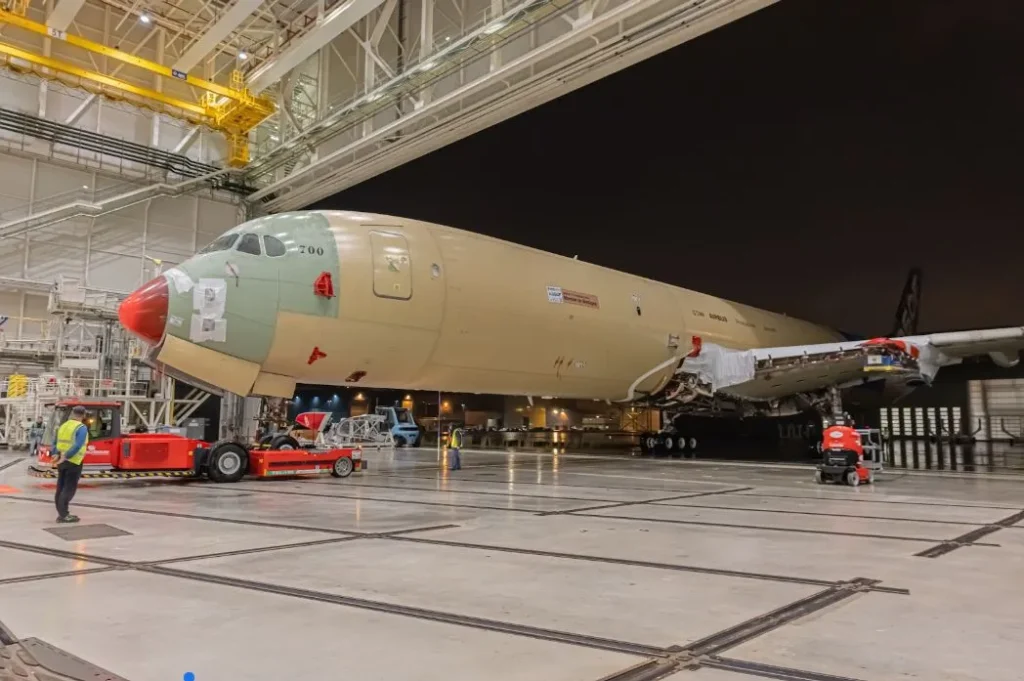
Airbus A350F Test Flights in 2026
Designed as a dedicated freighter, the A350F is based on the A350-1000 platform but features a shorter fuselage and enhanced floor structure. The aircraft includes revised nose gear placement and a cargo door three meters wide, perfectly suited for current freight handling systems.
A critical focus of the design is the floor’s strength to accommodate high-load operations while ensuring compatibility with existing loading setups.
The A350F is projected to transport a payload of 109 tonnes over a distance of 4,700 nautical miles. Its propulsion comes from Rolls-Royce Trent XWB engines, which aim for a 30 to 40 percent reduction in CO2 emissions per tonne compared to earlier quad-engine freighters.
These enhancements have been seamlessly integrated into the A350-1000’s certified framework to minimize risk and expedite development.
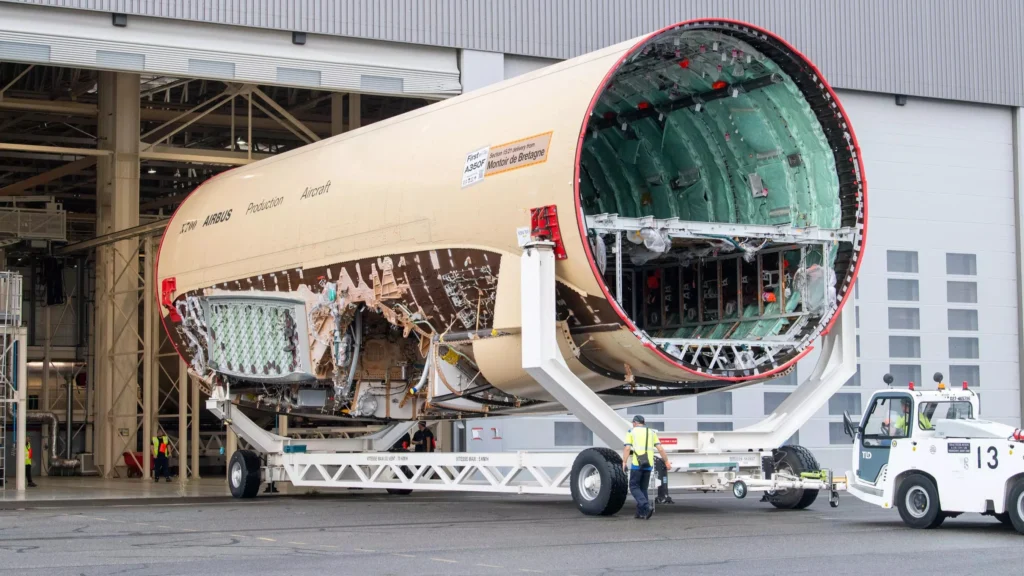
Development Milestones and Certification Path
Testing for the full-scale cargo door demonstrator is already underway to ensure mechanical reliability, control logic, and overall performance.
The flight test campaign is scheduled for the latter half of 2026. Airbus will utilize fully instrumented aircraft and rely on established A350 data to facilitate a faster certification process.
Shared flight control strategies across the A350 family will further streamline the validation of new systems.
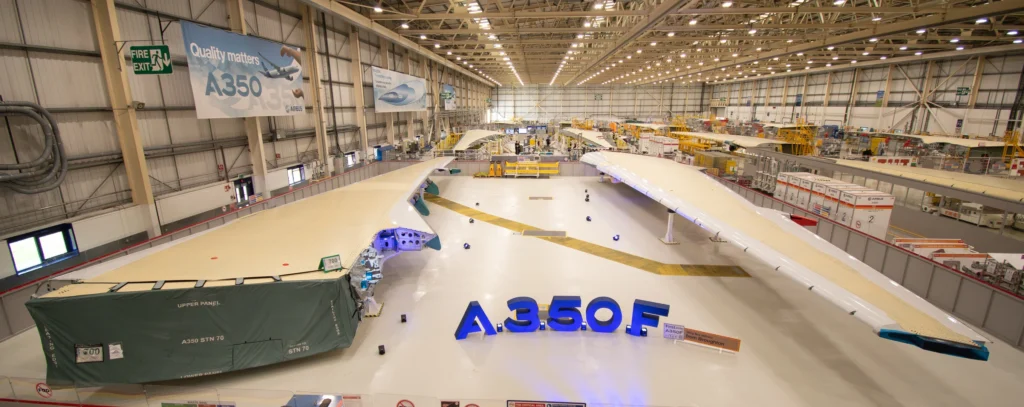
Market Demand and Fleet Transitions
With the ICAO CO2 standard set to take effect in 2028, aircraft that fail to comply will no longer be produced. Airbus anticipates that operators will swiftly transition away from aging fleets nearing these regulatory thresholds.
While converting passenger planes to freighters is still viable for certain routes, this method comes with weight penalties and structural limitations that can hurt efficiency on long-distance missions. The A350F seeks to address these inefficiencies with its lighter structural weight and enhanced payload optimization.
In addition, common cockpit features and shared maintenance practices with the A350 passenger aircraft deliver operational advantages for airlines operating mixed fleets.
Airbus estimates a global demand for 2,510 new freighters by 2043, including 900 large widebody models. The ongoing assembly of the A350F positions it well within a brief window for compliant widebody freighters.
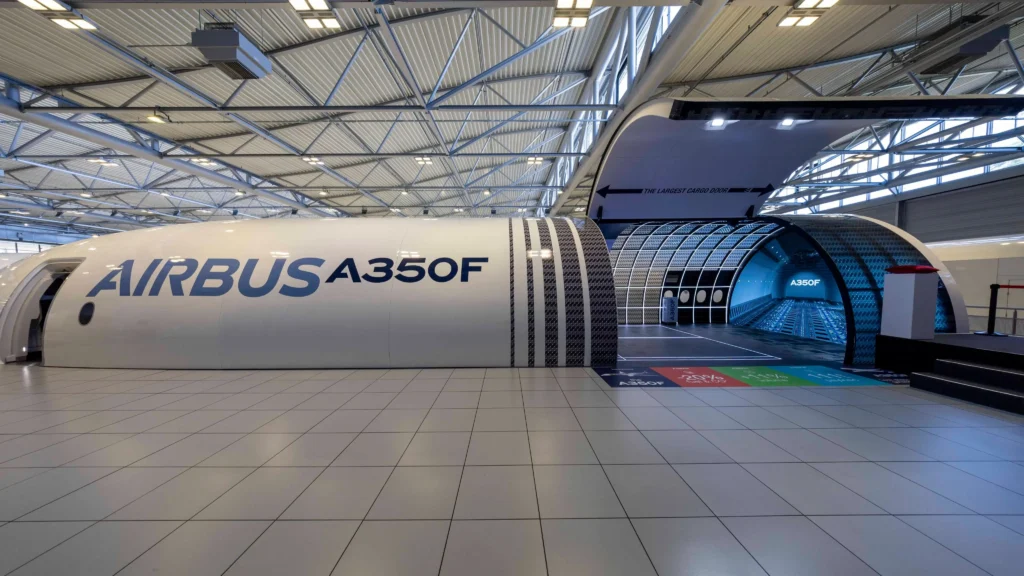
Industry Pressure and Timeline
Increasing emissions regulations, heightened sustainability demands from shippers, and escalating fuel costs are compelling operators to modernize their fleets.
Currently, many carriers are navigating a tight timeline to sidestep compliance issues.
The A350F program equips Airbus to deliver a fully compliant widebody solution precisely when older, non-compliant freighters are being phased out.
Would you be interested in learning more about the implications of the A350 Freighter on the cargo industry?