
Investigation into Air India Boeing 787 Crash Sparks Conflict Among Teams

DELHI- Ongoing investigations into the tragic Air India (AI) Boeing 787 crash in Ahmedabad are marked by significant disagreements between Indian officials and U.S. experts. Disputes have arisen over access to black box data, creating tensions that complicate the inquiry.
The situation intensified when U.S. specialists joined the investigation to assist in interpreting flight recorder data. This led to sharp exchanges regarding security measures, the location for analysis, and overall direction of the investigation.
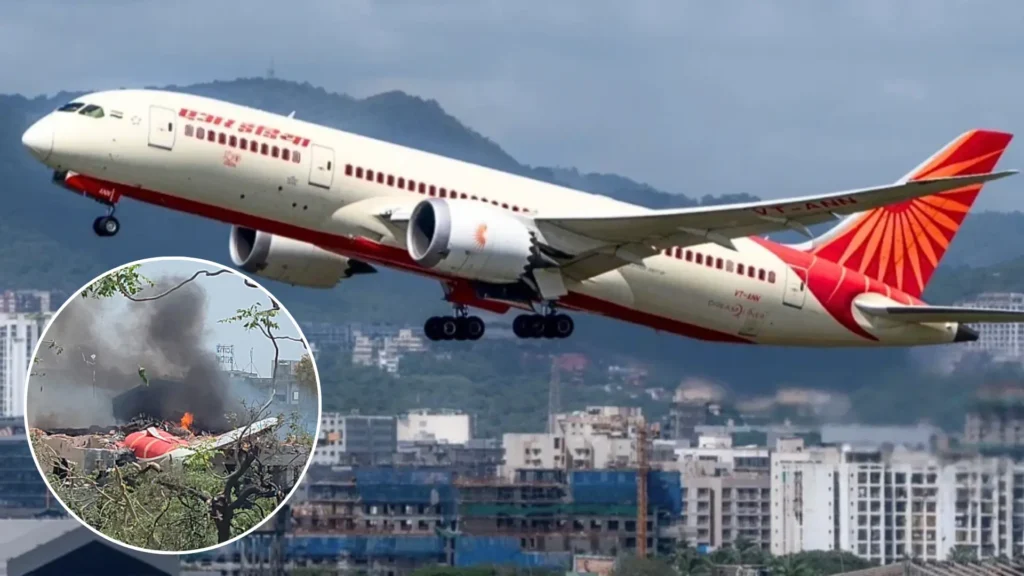
Air India 787 Crash Probe
The most significant friction in the investigation occurred when two specialists from the National Transportation Safety Board (NTSB) arrived in New Delhi in late June. Indian authorities arranged for a late-night military flight to transfer them to a remote facility for vital data extraction.
According to reports, immediate intervention from NTSB leaders was prompted by security concerns raised by the U.S. State Department. This resulted in U.S. embassy personnel halting the transfer and keeping the NTSB team in Delhi.
U.S. officials urged Indian counterparts to extract black box data either in Delhi or Washington, stressing that any delays could severely undermine the investigation’s integrity. NTSB Chair Jennifer Homendy even suggested that American support could be withdrawn if further complications emerged.
Eventually, Indian investigators consented to decode the crucial data in Delhi using NTSB equipment. This agreement marked a critical point in resolving the standoff.
Concerns persist from the U.S. side regarding preliminary data indicating that both engine fuel control switches were moved to the cutoff position shortly after takeoff. Analysis of cockpit audio suggested the first officer attempted recovery, while the captain remained calm. These findings have fueled American speculation that the incident might have been intentional, although Indian authorities have not endorsed this theory, citing incomplete facts.
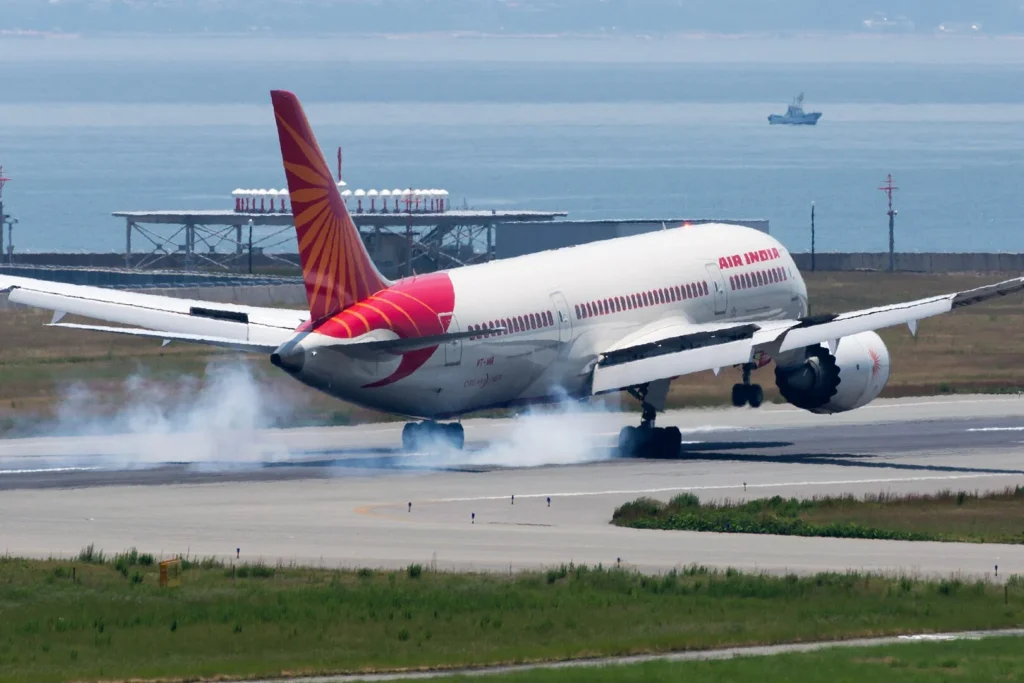
Legal Oversight
On November 7, the Supreme Court acknowledged the tensions surrounding the investigation. A bench issued notices to the government and the aviation regulator in response to a petition from the father of Captain Sumeet Sabharwal. He is seeking an independent and court-monitored inquiry into the incident that claimed the lives of 260 people, including 19 individuals on the ground, with only one survivor remaining.
The bench cautioned against attributing personal blame at this stage, referring to the crash as an unfortunate accident.
Preliminary findings from the Aircraft Accident Investigation Bureau have not assigned culpability or named the pilot who manipulated the fuel switches. This neutral position has sparked frustration among families and pilots, who have warned against reaching conclusions without extensive technical verification.
Industry at Stake
The implications of this incident extend beyond national borders. The aircraft involved was a Boeing Dreamliner, a widely used long-haul jet worldwide. Any indication of a systemic problem could have significant consequences for the aviation industry.
U.S. regulators report no findings of mechanical failure, noting that neither Boeing nor GE Aerospace is pursuing technical fixes related to this incident.
In July, FAA administrator Bryan Bedford expressed confidence that the issue did not stem from unintentional manipulation of fuel control systems.
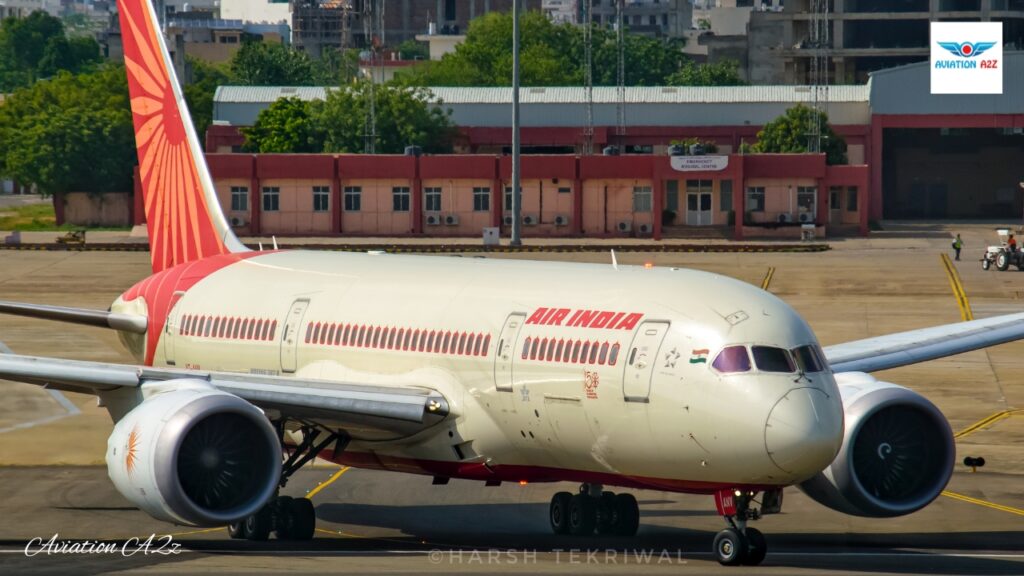
Pending Questions and Ongoing Scrutiny
The Supreme Court petition suggests that focusing solely on pilot actions may neglect potential mechanical or systemic issues.
The investigation is under increasing pressure for clarity, transparency, and independence. With competing interpretations and a fragmented approach to the inquiry, several critical questions remain unanswered.
What are your thoughts on the investigative process?
Similar Posts
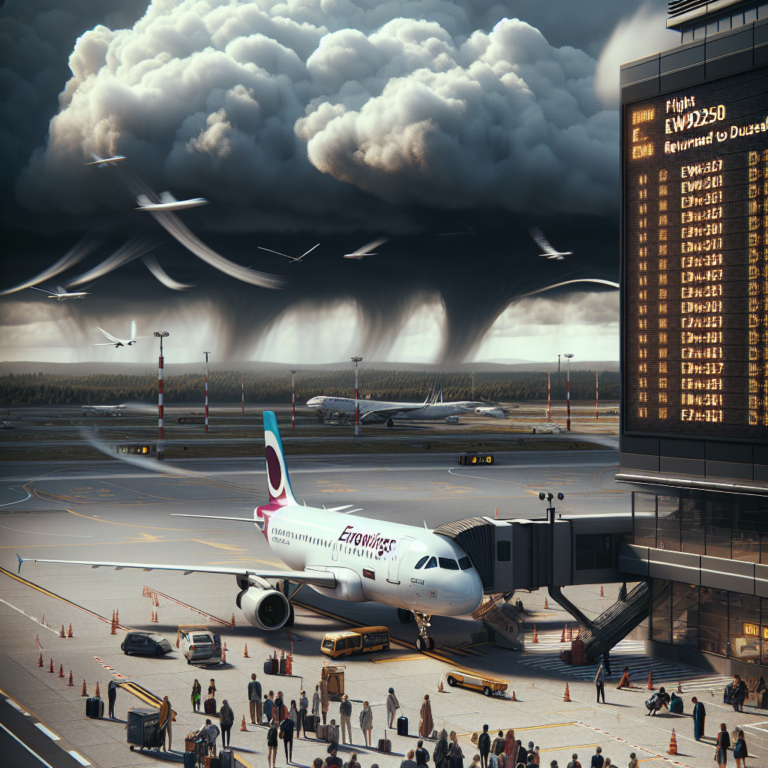
Eurowings Passengers’ 8-Hour Flight Ends Back in Germany
Passengers on a Eurowings flight from Düsseldorf to Tromsø faced an unexpected eight-hour ordeal on March 15, 2025, when adverse weather conditions forced diversions. Flight EW9250, initially taking off smoothly, was diverted to Rovaniemi due to strong winds exceeding safe landing limits. After two failed attempts to land in Tromsø, the flight returned to Düsseldorf. Eurowings provided accommodations for stranded travelers, and the next morning, the same aircraft successfully reached Tromsø. This incident highlighted the unpredictability of air travel, as 13 additional flights from Tromsø were canceled that day due to severe weather.
US Airlines Approve Expansion of PAL-Alaska Airlines Codeshare Agreement
US carriers have indicated no opposition to the proposed expansion of…
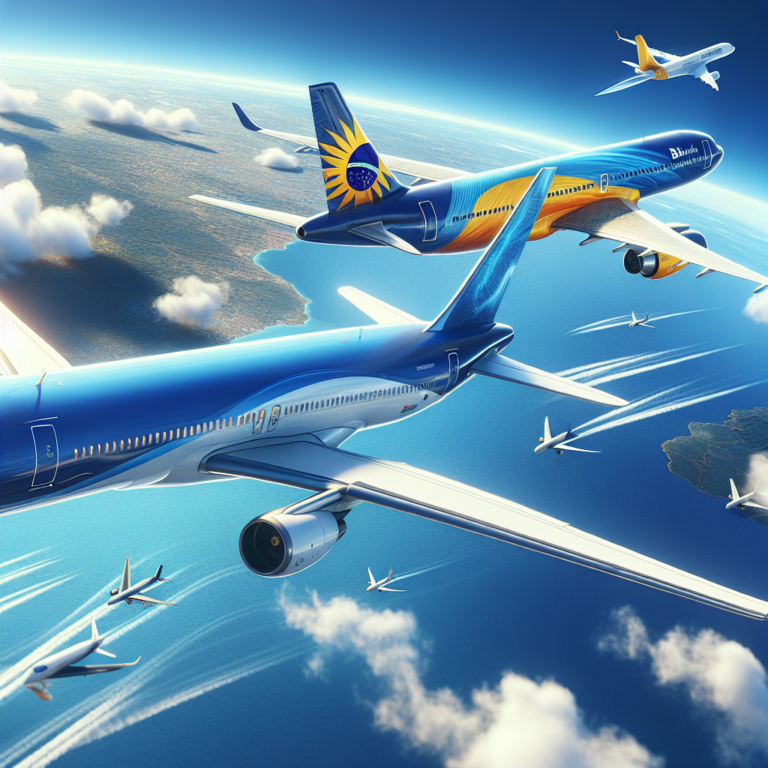
Azul and GOL Initiate Merger Talks for Brazil’s Biggest Airline
Azul Linhas Aéreas and GOL Linhas Aéreas have signed a non-binding agreement to explore a merger that could reshape Brazil’s aviation market, potentially creating the largest airline group in the country. Announced on January 15, 2024, the collaboration aims to enhance connectivity between the two airlines, which have complementary routes while maintaining their individual brands. With a combined market share of 61.4% and a fleet of 327 aircraft, the merger could significantly impact Brazil’s domestic air travel, especially as GOL seeks stability amid financial challenges. Key regulatory approvals and economic terms will be crucial for finalizing the merger.
Alaska Airlines Faces Disruption with 400+ Flight Cancellations Due to IT Issues
SEATTLE– Alaska Airlines (AS) is making significant efforts to resume regular…
Turkish Airlines Diverted to Emergency Landing Due to Bomb Threat
A Turkish Airlines flight had to make an emergency landing in…
2025 Salary Insights for Cathay Pacific Airways Pilots
Cathay Pacific Airways (CX), the flagship airline of Hong Kong SAR,…