Could Saudi F-35s Provide Beijing with New Insights Like the J-20?

Concerns Over the US-Saudi Arabia F-35 Deal
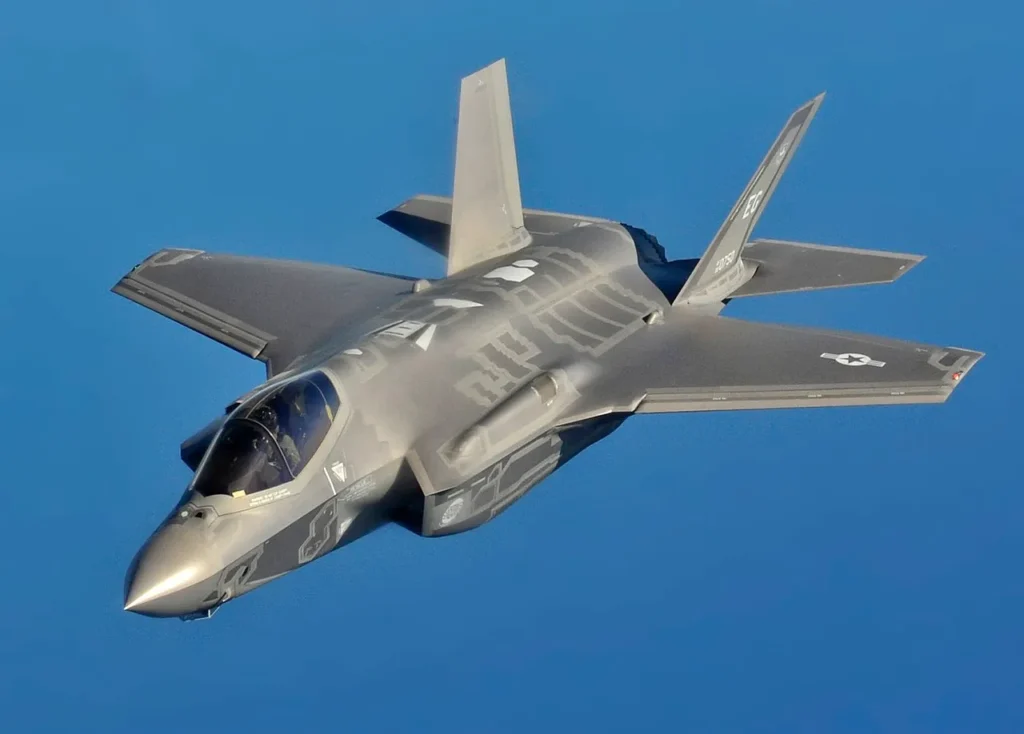
Strategic leaders in the United States are reflecting on President Donald Trump’s decision to proceed with the sale of F-35 Lightning II jets to Saudi Arabia. This move raises apprehensions regarding the potential for China to exploit advanced stealth technology, given Riyadh’s growing ties with Beijing.
The comprehensive $142 billion defense package, which was finalized on November 18, 2025, positions Saudi Arabia to become the first Arab nation to operate these advanced fighters. This development has provoked renewed fears about the risk of Chinese entities acquiring sensitive F-35 blueprints.
The US-Saudi Arabia F-35 Agreement
On November 18, 2025, President Trump and Crown Prince Mohammed bin Salman formalized agreements in Washington, which included future F-35 deliveries as part of a comprehensive $142 billion arms package. Saudi Arabia aims to enhance its air force and counter Iranian threats.
According to various reports, U.S. officials previously stalled F-35 sales to both Turkey and the UAE due to concerns about potential Chinese access to the technology. Now, similar worries are emerging in relation to Saudi Arabia, which already operates Chinese warfare technologies including drones and ballistic missiles, making its alignment with China a pivotal issue.
Israel’s Strategic Position
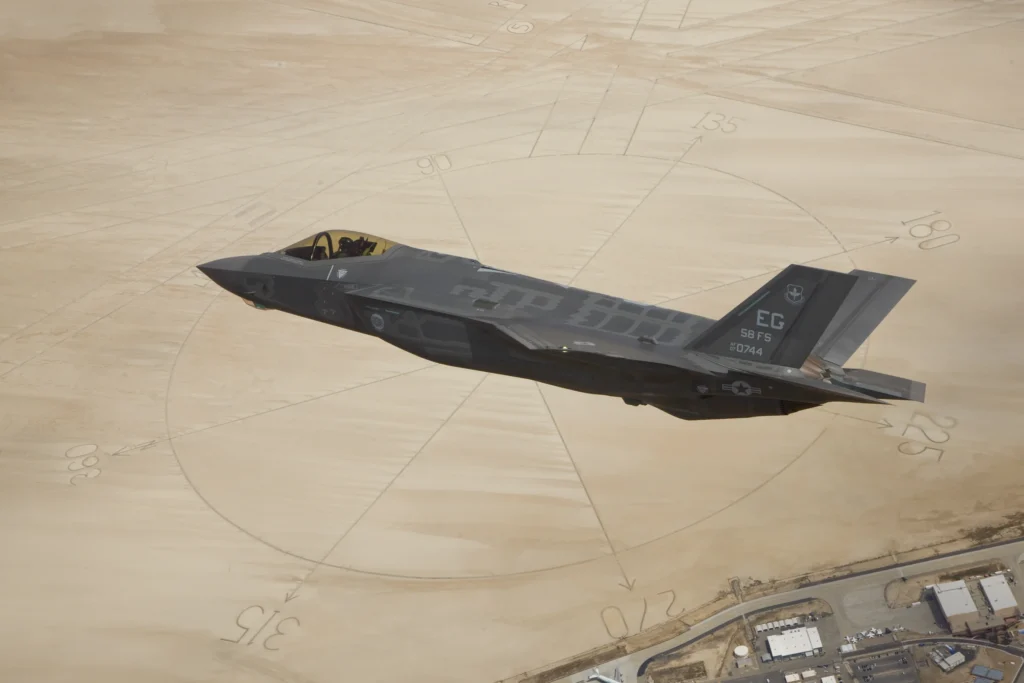
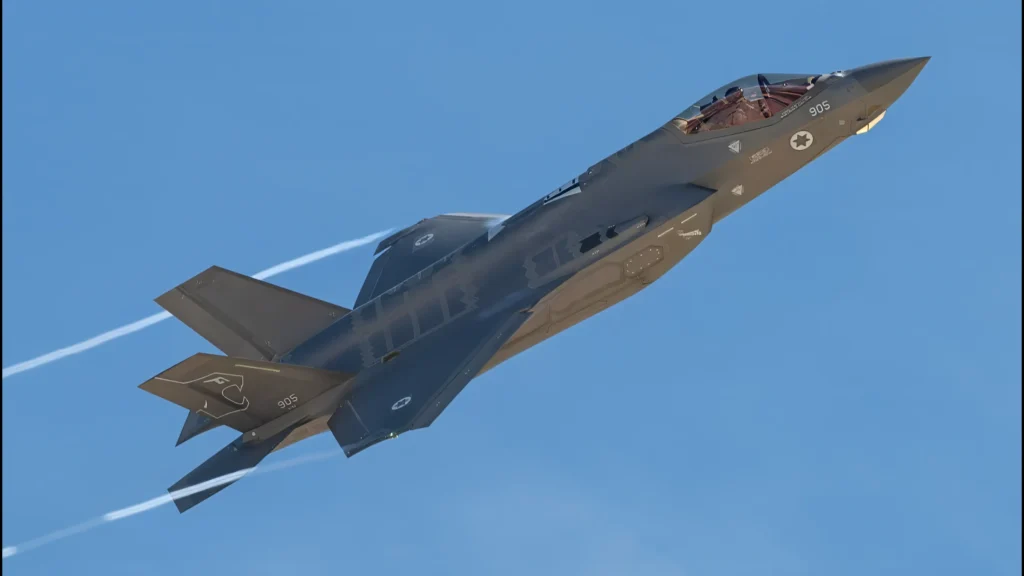
Israel, which operates 45 out of 75 ordered F-35s, has made extensive modifications to its aircraft, enhancing their electronic warfare capabilities. This uniqueness grants Israel considerable advantages, including the ability to integrate domestic arms and extend mission durations independently.
In contrast, Saudi F-35s would lack access to vital source code and mission software, restricting their operational flexibility without U.S. approval. While Israel’s Air Force expresses concerns over this sale, the Israeli government is open to it if aligned with normalization efforts involving Saudi Arabia.
China’s History of Espionage
Concerns about Chinese espionage loom large, especially given their track record of stealing sensitive F-35 technology. From 2008 to 2014, a businessman coordinated operations that resulted in the theft of vast amounts of data from U.S. defense contractors, affecting the design of multiple military aircraft.
Experts assert that this stolen data has substantially influenced China’s development of its own stealth fighter programs. As noted by Gordon Chang, “We should assume China has everything already. They already stole the whole plane once. They probably did it again.”
Assessing the Risks and Benefits
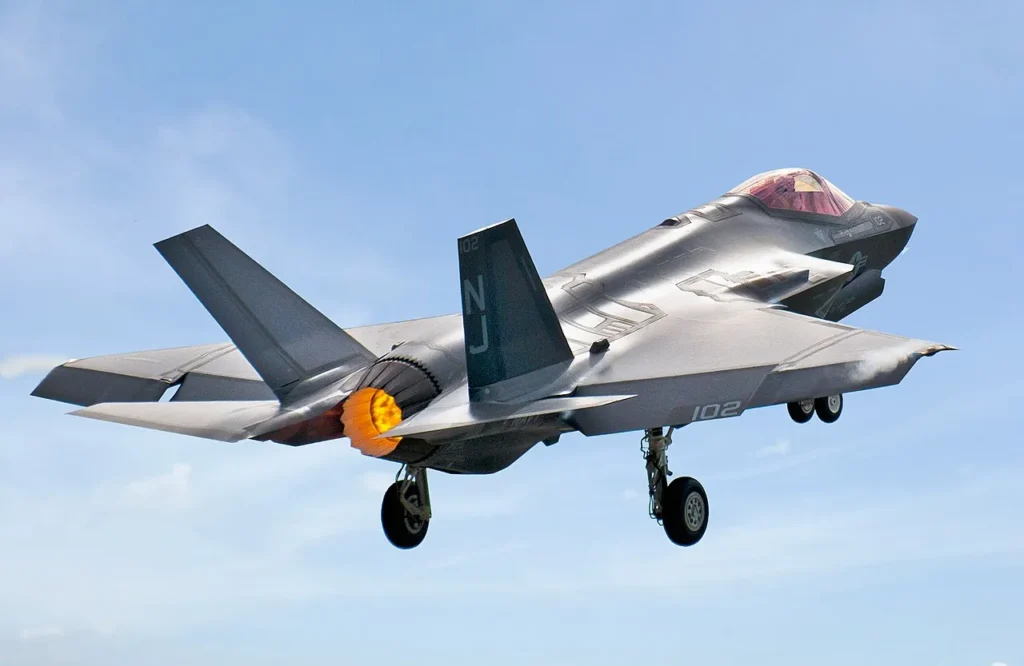
Analyst Can Kasapoğlu from the Hudson Institute suggests that selling F-35s to Saudi Arabia could preempt Russian and Chinese advances in the region. He argues that a fifth-generation fleet would enhance deterrence against Iran and bolster U.S. influence in the area.
Saudi Arabia has shown its potential value as an ally by sharing critical intelligence on threats, highlighting its role in regional stability. The strategic decision now rests on whether to reinforce ties with Riyadh through the F-35 deal, which could serve U.S. interests in a rapidly changing geopolitical landscape.
What are your thoughts on the impact of the F-35 sales on the balance of power in the region? Have your say in the comments below!