20-Year American Airlines Attendant Sues the Airline Over Alleged Misconduct

FORT WORTH- American Airlines (AA) is encountering ongoing legal issues after a federal judge chose not to dismiss a lawsuit initiated by a long-time flight attendant based in Philadelphia (PHL).
The flight attendant claims he was let go after revealing his cataract diagnosis and upcoming surgery, despite having provided years of commendable service.
He alleges that the airline began to view him as a liability after he disclosed his condition, resulting in a series of written warnings and disciplinary actions leading to his termination.
The recent judicial ruling allows the case to progress to full litigation, rather than being dismissed at the preliminary stage.
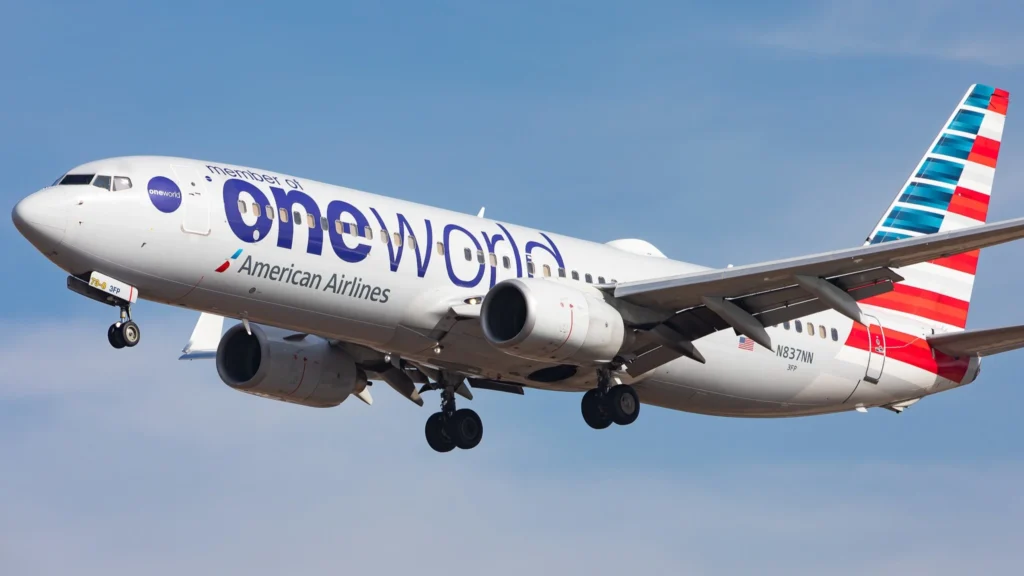
American Airlines Cataract Discrimination Lawsuit
The plaintiff, Melba Hudson, has been with American Airlines for over 20 years. He started as a ticket agent before becoming a flight attendant at Chicago O’Hare in 2000.
Shortly after his transfer to the Philadelphia base, Hudson developed cataracts, which increasingly hampered his ability to work during flights.
The glare from direct sunlight was particularly painful, leading him to request that shades be lowered after takeoff in order to perform his duties safely.
After securing approval for corrective surgery, Hudson notified his supervisor of temporary vision impairments, indicating he could only see outlines against bright sunlight.
Following this disclosure, Hudson claims he experienced a sudden shift in the way management treated him, facing disciplinary actions that were not enforced on younger or Caucasian colleagues.
These disciplinary notices included issues such as alleged operational delays, ultimately culminating in his termination on December 3.
The Association of Professional Flight Attendants contested the dismissal through the internal grievance process, but their efforts were unsuccessful, prompting Hudson to seek legal help.
Claims of Discrimination, Retaliation, and Corporate Liability
Hudson filed his complaint in July 2025 in a Chicago federal court after receiving clearance from the Equal Employment Opportunity Commission (EEOC). The lawsuit alleges discrimination based on disability, race, age, and retaliation.
He is seeking reinstatement with full seniority, back pay, and punitive damages. Hudson argues that the airline’s treatment toward him shifted significantly after they became aware of his medical condition and plans for surgery.
A critical aspect of the case involves the Rehabilitation Act, which comes into play when an employer receives federal funding. Hudson contends that American Airlines qualifies under this act because of funding received through the Essential Air Service program.
The airline attempted to dismiss the disability claims by asserting a lack of connection between Hudson’s employment and the EAS program.
However, U.S. District Judge Robert W. Gettleman ruled that Hudson’s claims regarding EAS funding were sufficient for the case to proceed, dismissing the request for dismissal by the airline.
The judge instructed American Airlines to formally respond by December 29, as reported by various sources.

Second Legal Case About Eyesight
The EEOC is also pursuing a separate lawsuit against the airline involving a reservations agent who suffered an injury in 2012, resulting in permanent cortical blindness.
The agency asserts that the individual could have resumed work using screen-reader software but was kept on medical leave because American Airlines claimed it had never employed a fully blind reservations agent.
This employee remained on medical leave until the onset of the COVID-19 pandemic, at which point she was let go.
The EEOC initially sought to settle the matter through conciliation before taking it to federal court, and that case is still ongoing.
Implications for Moving Forward
Generally, early dismissal motions are routine in employment disputes. However, this ruling suggests that American Airlines is now required to defend its actions fully in court.
The judge indicated that Hudson may need to present further evidence later to strengthen his claim under the Rehabilitation Act, linking his employment to federal funding.
The results of both of these ongoing lawsuits could potentially impact how disability accommodations are managed within airline operations.
What are your thoughts on this case and its potential implications for flight attendants and airline policies regarding disability rights?