KLM Bids Farewell to Its First Boeing 737 After 25 Years of Service

KLM Retires Its First Boeing 737
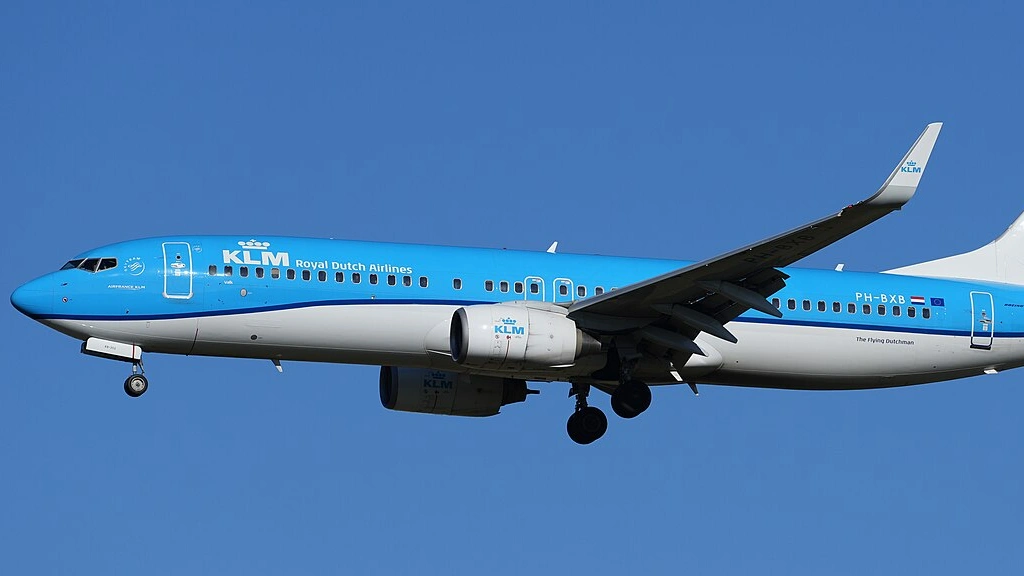
Amsterdam- KLM has officially initiated a significant phase of its €7 billion fleet renewal plan by retiring its first Boeing 737-800. The aircraft, known as PH-BXK, concluded its final passenger flight at Amsterdam Schiphol (AMS) before permanently exiting commercial service.
After its last operational journey, PH-BXK was flown to Twente Airport (ENS) for a comprehensive dismantling and recycling process. This retirement aligns with KLM’s broader strategy to modernize its European and intercontinental operations, alongside its cargo fleet with more advanced aircraft.
Source: Wikimedia Commons
The Retirement Process
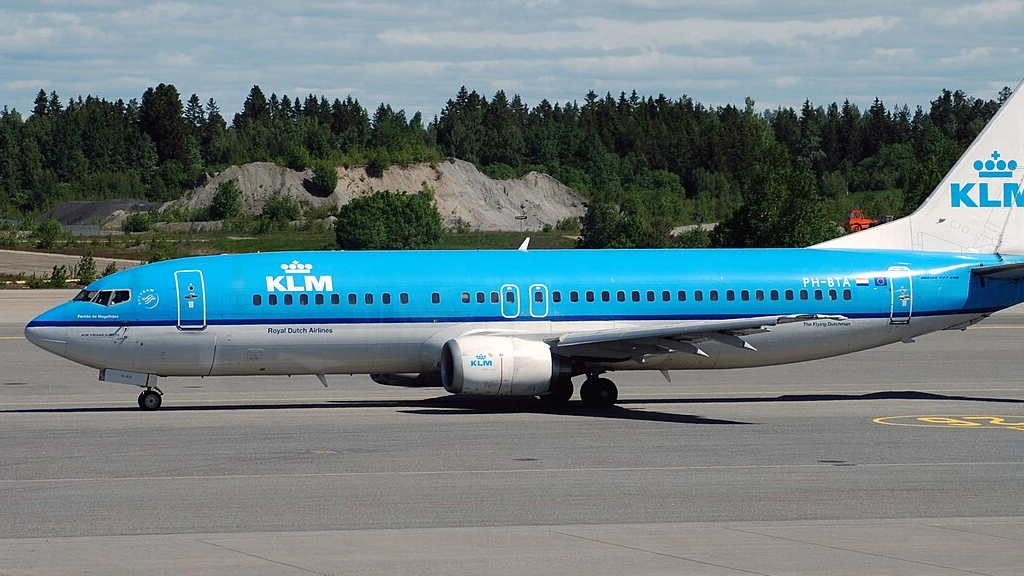
The retirement of PH-BXK marks the end of over 25 years of service across Europe. Now, the aircraft is with AELS, a specialist company in end-of-life aircraft management.
The dismantling will begin with the extraction of engines and auxiliary power units, which KLM Engineering & Maintenance will reintegrate into their operational stock. Technicians aim to recover between 800 and 1,000 reusable components that will support KLM’s maintenance efficiency and sustainability targets.
As part of the dismantling, exterior branding will be removed, and materials like insulation blankets will be separated for potential reuse. The plane’s aluminum fuselage will ultimately be processed for industrial applications.
Source: Wikimedia Commons
KLM’s Sustainable Dismantling Efforts
KLM’s partnership with AELS supports its long-term sustainability vision. The recycling of decommissioned aircraft helps lessen waste, conserves materials, and reduces the environmental impact associated with fleet modernization.
Looking ahead, KLM anticipates the retirement of more Boeing 737-800s by early 2026, driven by the delivery of the Airbus A321neo. AELS has confirmed that the next Boeing 737-800 will arrive for dismantling in January, continuing a phased approach over the next several years.
Each aircraft will undergo a meticulous dismantling methodology focusing on maximizing the recovery of usable and recyclable components.
Transition to a New Airbus Fleet
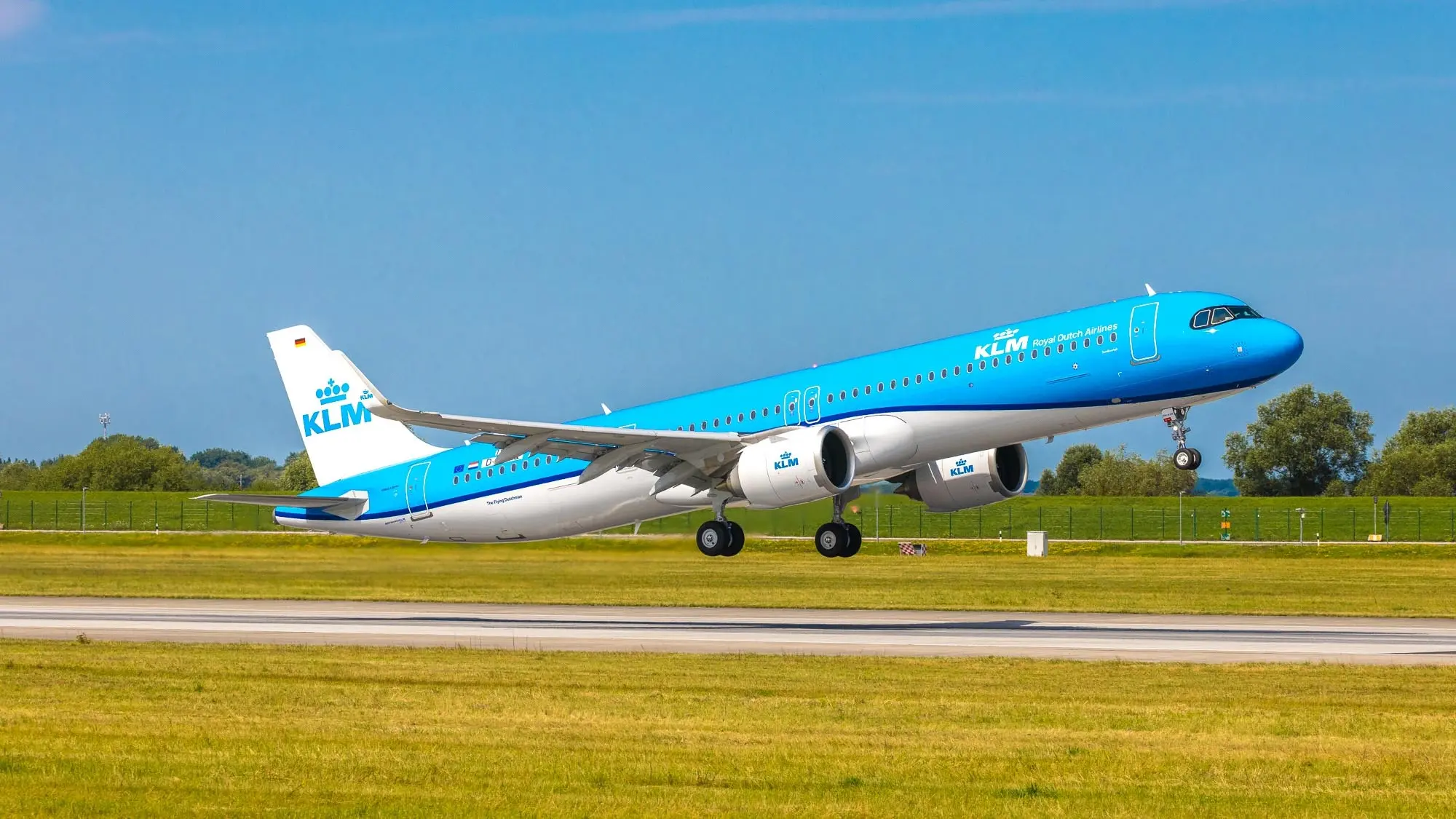
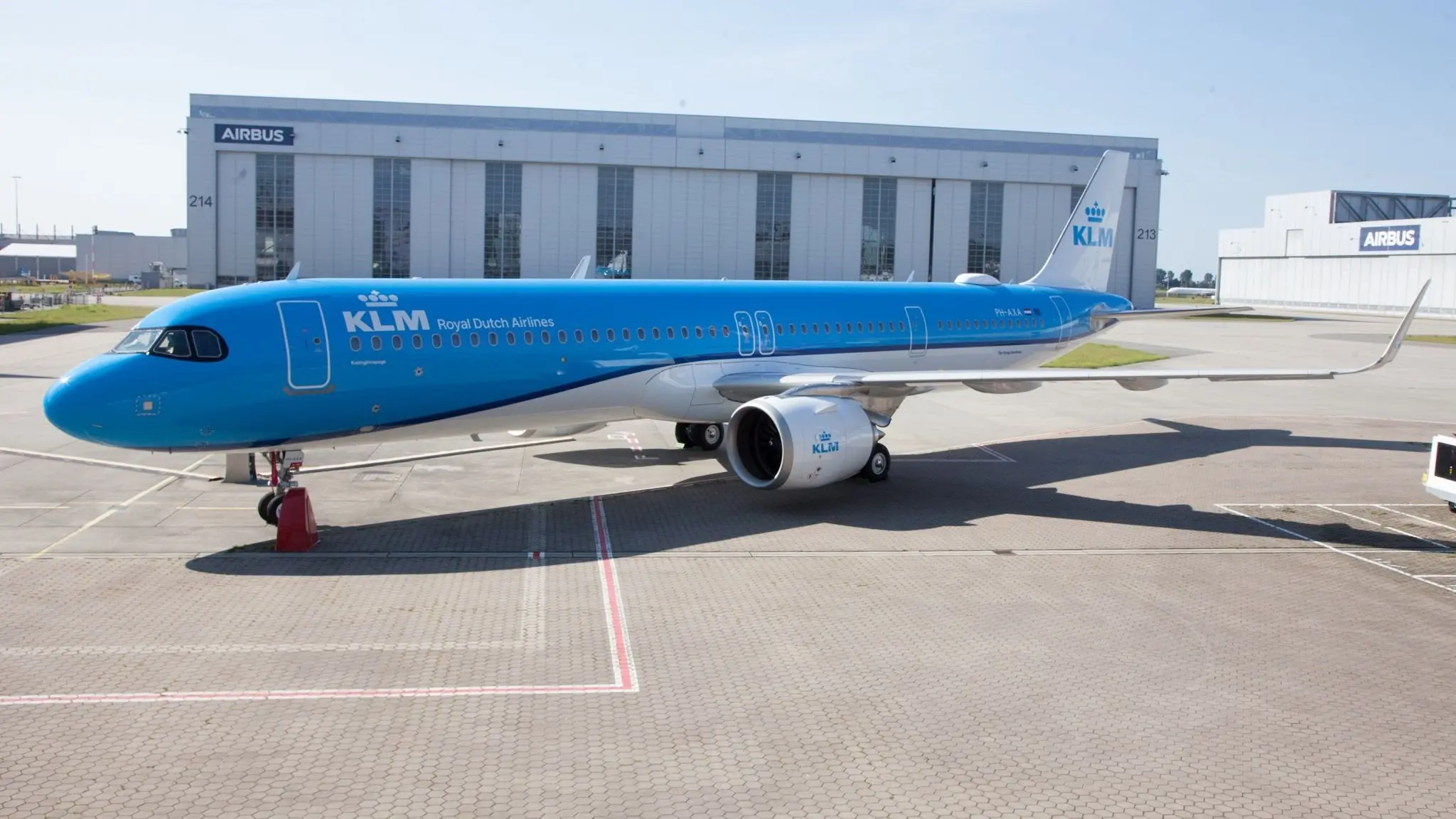
The retirement of PH-BXK signifies KLM’s transition from Boeing 737-700 and 737-800 aircraft to the Airbus A320neo and A321neo models. These modern aircraft offer reduced fuel consumption, quieter operations, and improved passenger comfort.
The new aircraft will also provide greater seating capacity, enhancing KLM’s competitiveness on European routes. The airline is also upgrading other fleets, integrating Embraer E195-E2 jets into Cityhopper and adding Boeing 787-10s to intercontinental services.
Next year, the Airbus A350-900 will start replacing older 777-200ERs and A330s, while three Airbus A350Fs will enhance the cargo division. Each of these new additions plays a vital role in reducing emissions, noise levels, and boosting reliability.
Conclusion
The retirement of KLM’s first Boeing 737-800 is more than just a milestone for an aircraft; it represents a significant step toward a modern, sustainable, and efficient fleet across all areas of operation.
With additional Boeing 737 retirements around the corner and new A321neo deliveries set to arrive, KLM’s next-generation fleet is progressively taking shape. This transition underscores the airline’s dedication to environmental advancements while enhancing operational performance for both European and long-haul travelers.
What are your thoughts on KLM’s fleet renewal strategy? Are you excited about the shift to Airbus aircraft?