Top-Selling Aircraft of 2025: Pricing Insights and Trends

Boeing 737 MAX vs. Airbus A321neo in Airline Fleet Planning
When airlines assess new narrowbody aircraft, they often compare the Boeing 737 MAX against the Airbus A321neo. This analysis is especially common at significant aviation hubs like Seattle–Tacoma International Airport (SEA) and Frankfurt Airport (FRA).
Such decisions play a crucial role in long-term fleet strategies, aligning capacity with anticipated passenger demand.
The Economic Considerations
Fleet managers evaluate both models on multiple economic and performance factors, with the purchase cost being a critical consideration.
Though these aircraft fall into the same market category, various factors—including list prices, potential discounts, and configuration costs—impact their suitability for an airline’s operations and financial strategy.
Boeing 737 MAX and Airbus A321neo Pricing Insights
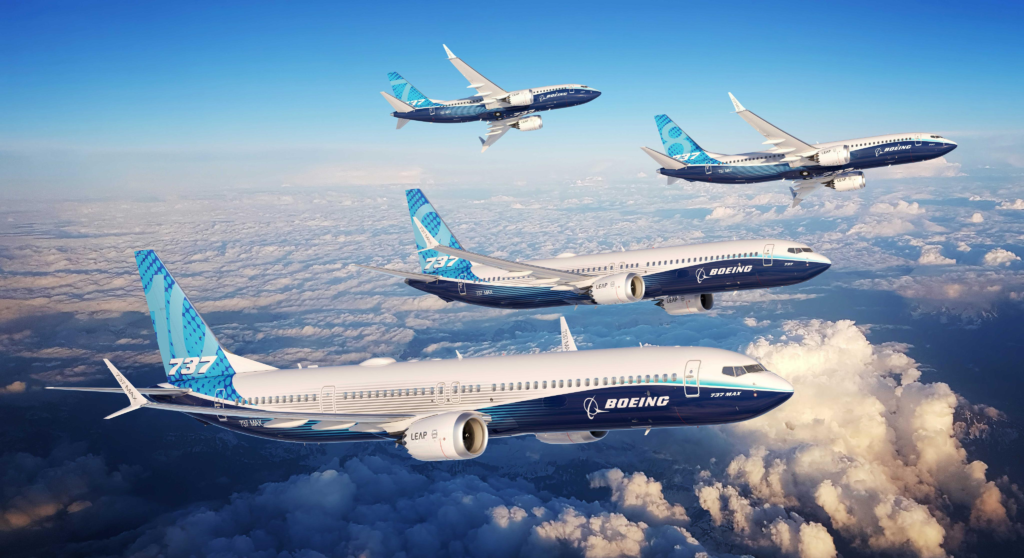
The Boeing 737 MAX and Airbus A321neo stand as the most frequently compared single-aisle aircraft within commercial aviation.
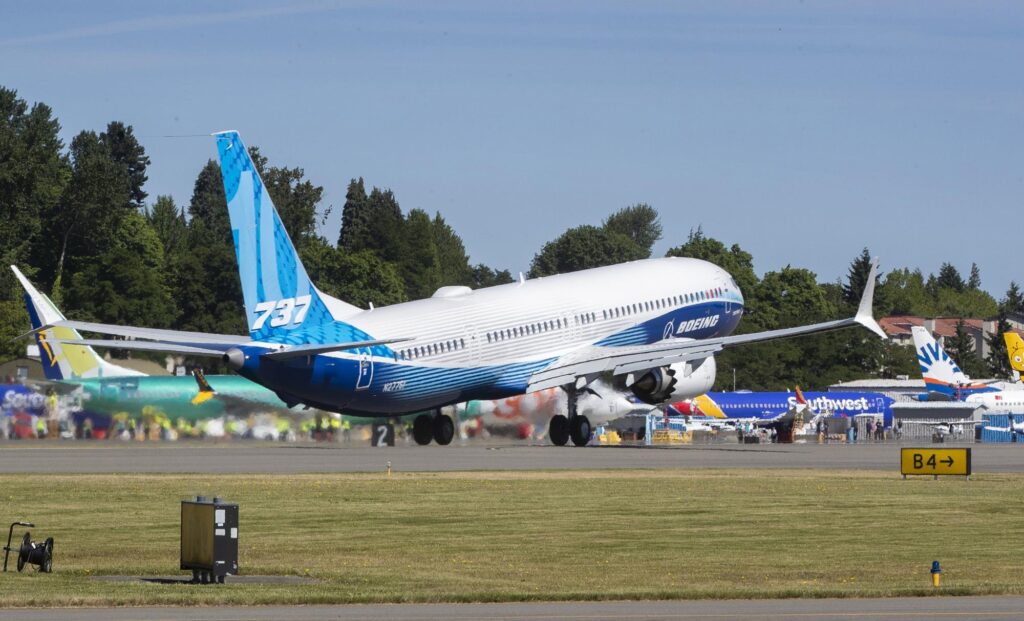
According to Statistica, the list price for the Boeing 737 MAX 10 is around $135.9 million. This aircraft can accommodate approximately 230 passengers and offers a range of about 3,100 nautical miles (5,740 km).
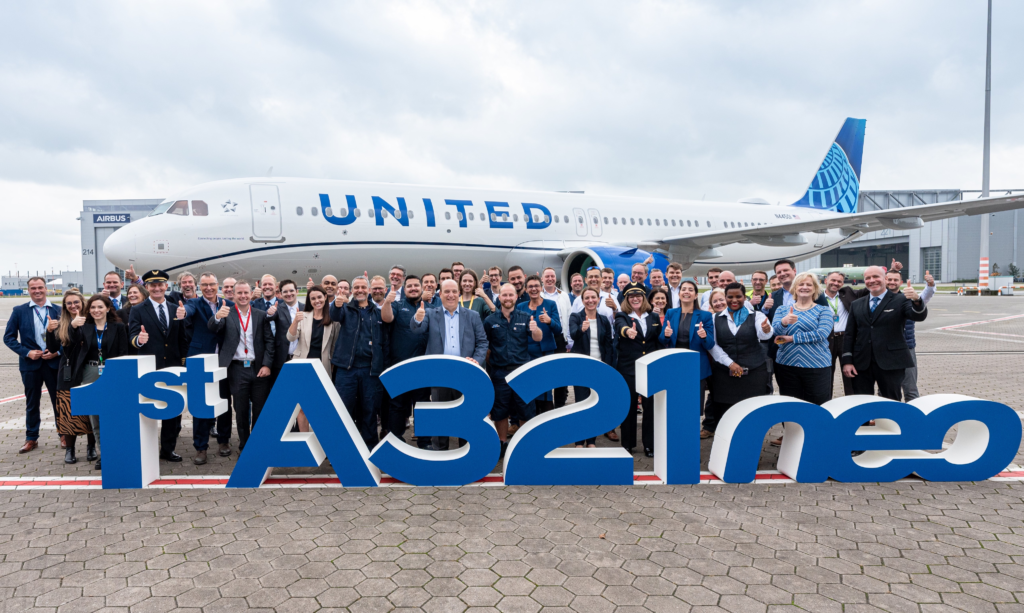
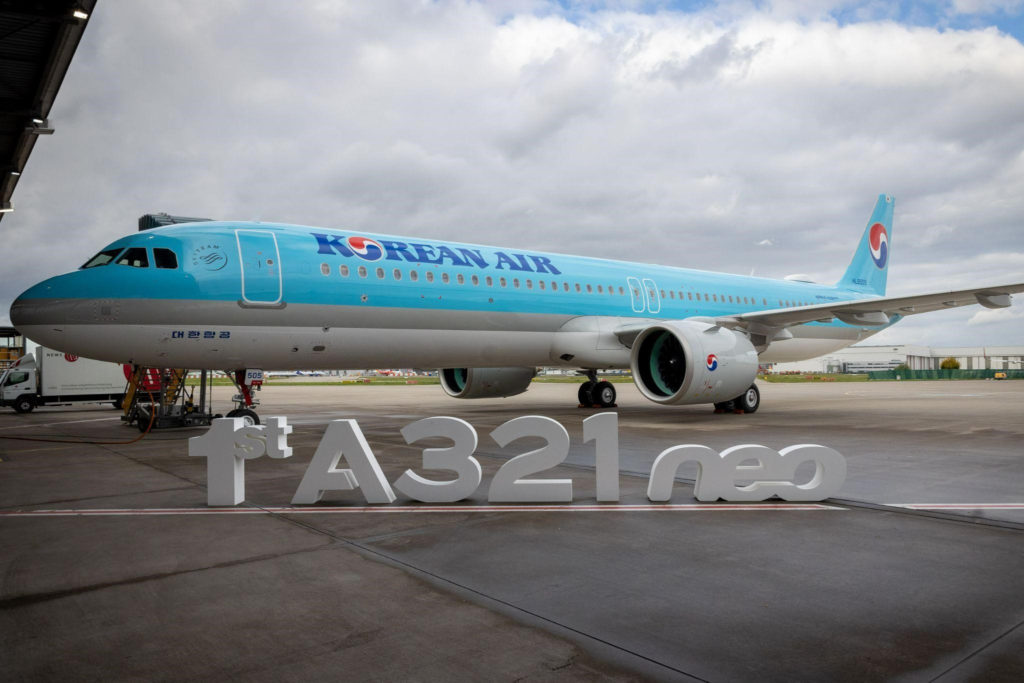
On the other hand, the Airbus A321neo has a list price of $129.5 million and measures 146 ft (44.51 m). It can seat between 180 and 220 passengers in a typical two-class layout, or up to 244 in a denser configuration, with a maximum range of about 4,000 nautical miles (7,400 km).
Reports suggest that the narrow price gap between these flagship models illustrates their head-to-head competition.
Understanding Pricing Structures
Pricing within each aircraft family follows a descending order. For instance, the 737 MAX lineup sees the MAX 9 listed at $128.9 million and the MAX 8 at $121.6 million.
Similarly, the Airbus A320neo and A319neo are priced at $110.6 million and $101.5 million, respectively. This structured pricing allows airlines to select the aircraft size that best aligns with route demands while maintaining compatibility in pilot training and maintenance.
Negotiating Acquisition Costs
It’s essential to note that list prices seldom reflect the final transaction amounts. Airlines often negotiate significant concessions when placing large orders, acquiring multiple variants, or entering long-term contracts with manufacturers.
Research indicates that the delivered price of an Airbus A321neo may approach $110 million after negotiations.
When similar concessions are made for both aircraft, the discounted price of a 737 MAX can closely align with that of an A321neo, shifting focus from list prices to delivery timelines and overall ownership costs.
Impact of Aircraft Layout and Performance
The final expense for any aircraft can vary greatly based on its configuration. High-density layouts are generally less expensive than premium configurations featuring extra amenities.
Custom upgrades, like unique cabin lighting and specialized onboard equipment, can elevate costs significantly.
Furthermore, maintenance and operational costs are influenced by technical upgrades, such as avionics enhancements and safety features tailored to the airline.
Adjustments affecting performance—such as increased maximum takeoff weight and enhanced fuel capacities—also contribute to the overall price.
Broader Implications of Aircraft Pricing on Fleet Decisions
The pricing of aircraft notably impacts how and when airlines expand their operations. Choosing a lower-cost model can facilitate quicker network expansion or the phased retirement of older, fuel-inefficient aircraft.
Conversely, a higher-priced model can provide additional seating and ranges, enabling airlines to connect more city pairs where demand supports it.
Some airlines prefer smaller aircraft for winter routes but switch to larger models during peak travel seasons. This strategic flexibility allows for better fleet management.
Role of Discounts in Aircraft Acquisition
Aggressive pricing strategies by manufacturers can redirect airlines’ focus toward aircraft they might not have prioritized initially, increasing negotiating power, especially for larger orders.
Long-term contracts and multi-type aircraft orders further enhance bargaining positions, promoting flexibility in fleet planning.
Understanding Aircraft Cost Disclosure
It’s important to recognize that manufacturers and airlines rarely reveal final transaction prices, so list prices serve more as reference points than as definitive figures.
Many figures available for the A321neo are from 2018 and do not account for factors like inflation or currency changes.
Additional features, custom interiors, and performance options often inflate the costs significantly.
This context means that comparisons between the Boeing 737 MAX and Airbus A321neo provide insights into trends but not exact figures.
What are your thoughts on the implications of aircraft pricing for airline strategies?