
2025 Analysis of Air India Group’s Non-Metro Flight Routes

GURUGRAM— Air India Express (IX), the budget airline under the Air India umbrella, is steadily enhancing its operations with an expanding fleet. While the airline is strengthening its presence in major cities like Hyderabad (HYD) and Bengaluru (BLR), its penetration into Tier-2 and Tier-3 markets remains relatively small.
In a schedule analysis conducted by aviation expert Ravreet Singh for the week of 11–18 August 2025, IX was found to operate 42 non-metro routes across 21 city pairs, utilizing its Boeing 737 and Airbus A320 aircraft. This resulted in approximately 302 weekly departures, providing close to 54,961 seats. This number shows a modest footprint when compared to competitors like IndiGo (6E).
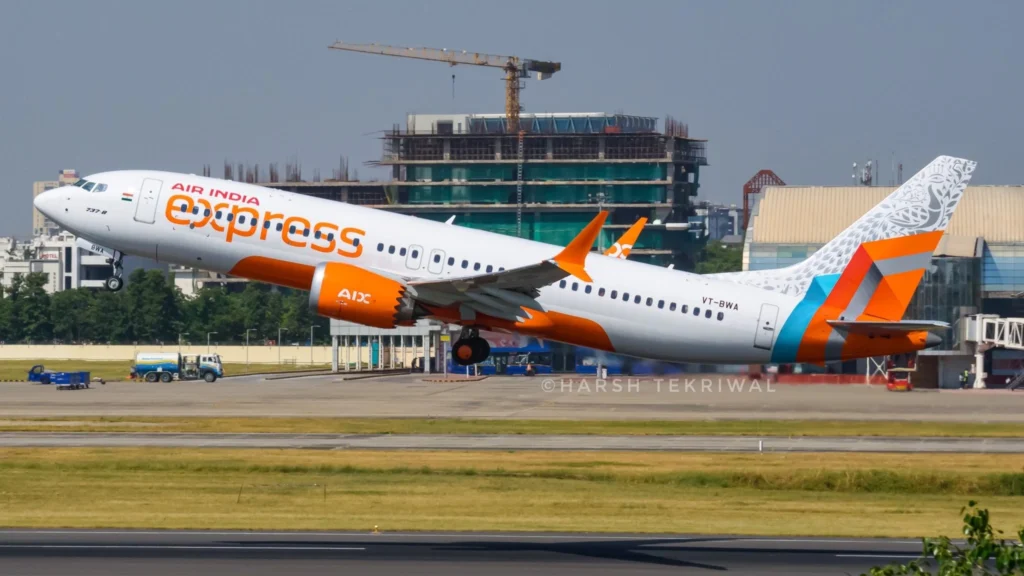
Air India Express Non-Metro Routes
The disparity between Air India Express and IndiGo in the non-metro domain is substantial. During the week of 14–21 July 2025, IndiGo scheduled approximately 157 non-metro routes (across 78 city pairs), leading to 1,091 weekly departures and about 212,400 seats with its A320/A321 fleet.
Delving deeper, IX’s average stage length for non-metro flights was 768 kilometers, while IndiGo’s average was 893 kilometers for comparable aircraft. Despite these differences, both airlines recorded similar block times, averaging around 1 hour and 39 minutes.
In terms of service frequency, IX’s non-metro operations leaned toward minimal daily offerings. Only one city pair exceeded 14 weekly flights. Additionally, two city pairs offered between 8 to 13 weekly frequencies, while 14 city pairs were available 7 times a week, with the remaining four less than daily.
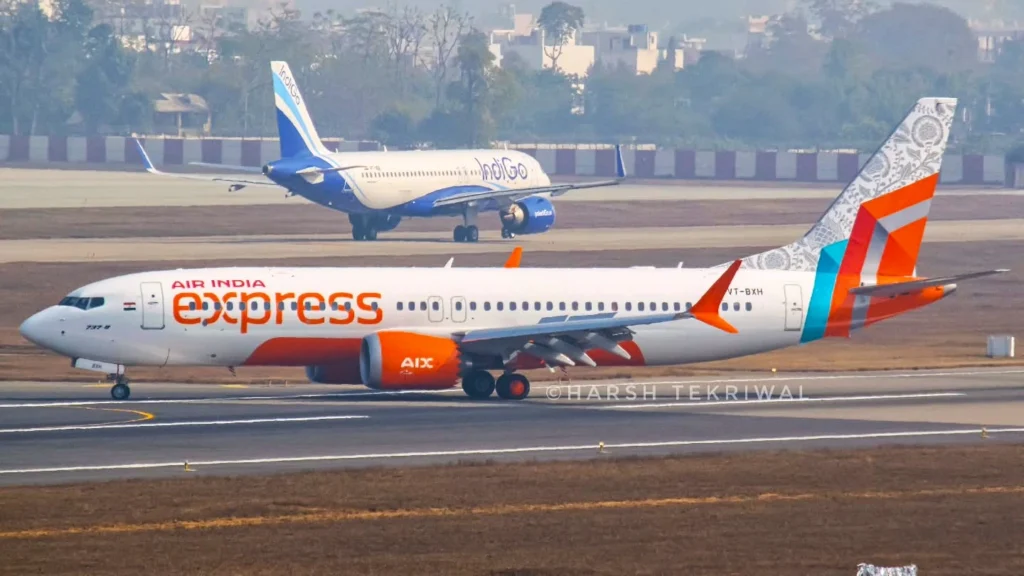
Route Obligations and Monopolies
According to Ravreet, over half of IX’s non-metro city pairs—10 out of 21—are subject to CAT-II/IIA obligations, ensuring connectivity to smaller destinations. On 11 of these routes, IX is the only carrier, highlighting a monopoly advantage in certain markets.
In the realm of non-metro operations, Guwahati (GAU) leads with six routes and 54 weekly departures, followed by Pune (PNQ) with four routes and 29 weekly services. Bhubaneswar (BBI) ranks third, offering five routes with 28 weekly services.
Air India’s full-service division has an even smaller footprint in this market segment, operating just eight routes (four city pairs) with 28 weekly departures and around 4,600 available seats. Notably, only one route—Ahmedabad (AMD) to Goa (GOX)—is served daily, while the others are tied to CAT-II/IIA obligations, suggesting a compliance-driven approach rather than one focused on expansion.
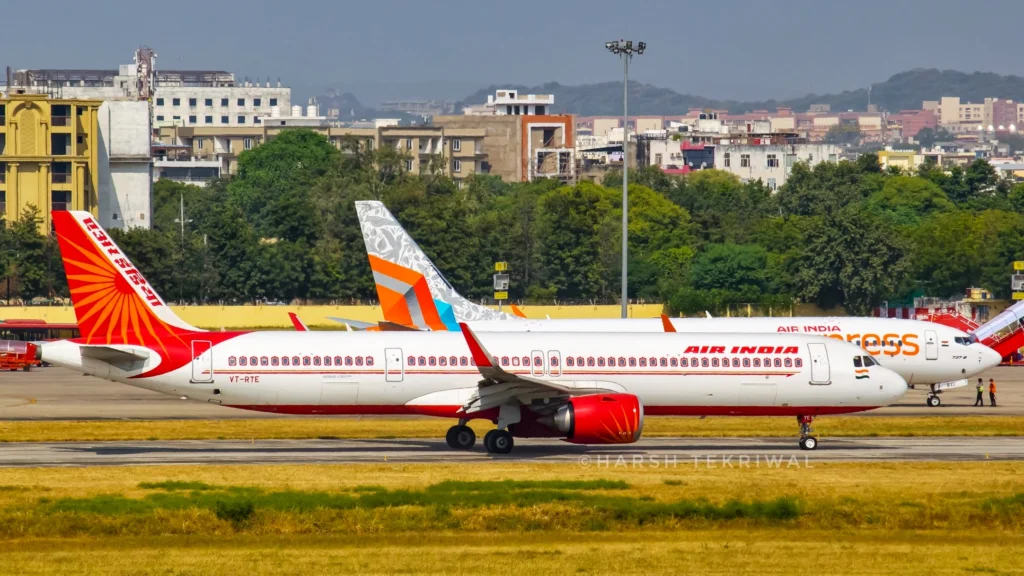
Strategic Direction of Air India Group
Air India (AI) is focusing its growth strategy in major hubs like Delhi (DEL) and Mumbai (BOM), implementing a hub-and-spoke model oriented towards international travel.
On the other hand, Air India Express (IX) is situating Hyderabad (HYD) and Bengaluru (BLR) as secondary hubs, aiming to enhance connectivity for South India within the country.
It’s clear that Air India Group’s efforts to connect Tier-2 and Tier-3 markets remain limited, especially in contrast to IndiGo, which has a considerably broader network. Notably, even IndiGo has found that 38% of its non-metro routes operate less than daily, signaling an evolving demand in these regions.
The strategic question remains: will Air India Express invest more in expanding its reach in non-metro markets, or will it maintain its current focus on metro routes, allowing IndiGo to continue its dominance? What are your thoughts on the future trajectory of Air India Express in the non-metro segment?