Off-Duty Doctors Aid Etihad Flight Attendant in Dramatic Anaphylaxis Rescue

ABU DHABI- An Etihad Airways (EY) flight attendant experienced a sudden anaphylactic shock mid-flight while traveling from Addis Ababa (ADD) to Abu Dhabi (AUH). Quick action from two off-duty doctors onboard, utilizing the medical kit, was crucial.
This incident highlights not only the importance of rapid response at high altitudes but also the extensive training cabin crew undergo to manage life-threatening situations.
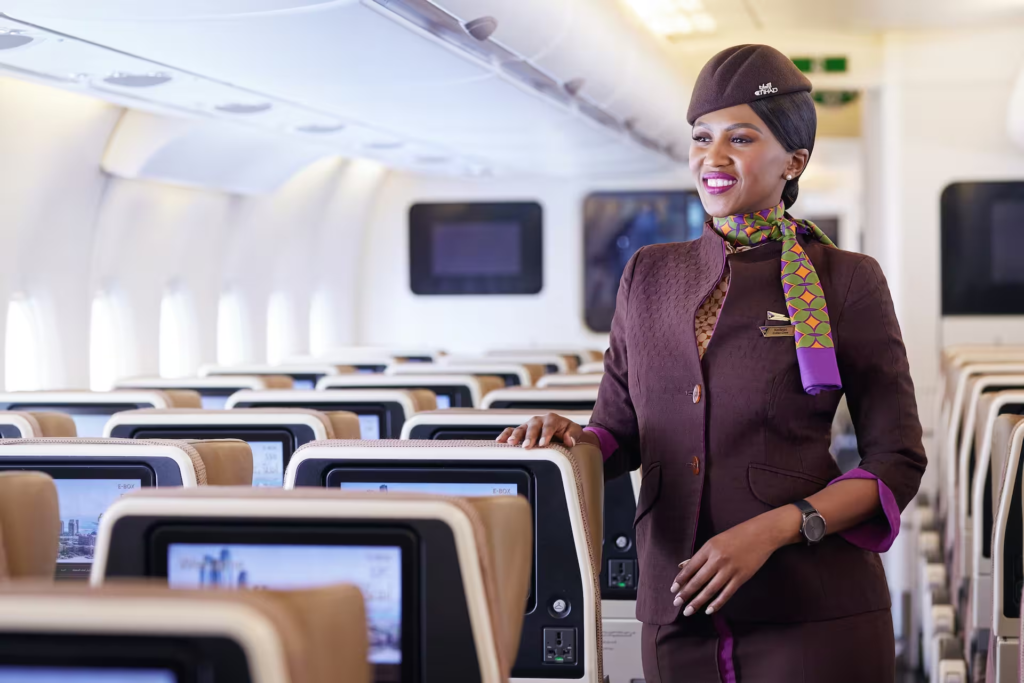
Incident Mid-Flight
On December 1, during a routine flight between Addis Ababa and Abu Dhabi, a young flight attendant suddenly collapsed. Anaphylaxis can escalate swiftly and is critical, requiring quick medical attention.
Fortunately, two off-duty physicians onboard, Dr. M. Gopinathan and Dr. Sudharshan Balaji from Chennai, quickly responded to the emergency. Upon evaluating the attendant, they discovered dangerously low oxygen levels that required immediate action.
The doctors accessed the aircraft’s medical kit, typically reserved for healthcare professionals, and began treatment with prescriptions like steroids and antihistamines, stabilizing the attendant as the flight continued to Abu Dhabi.
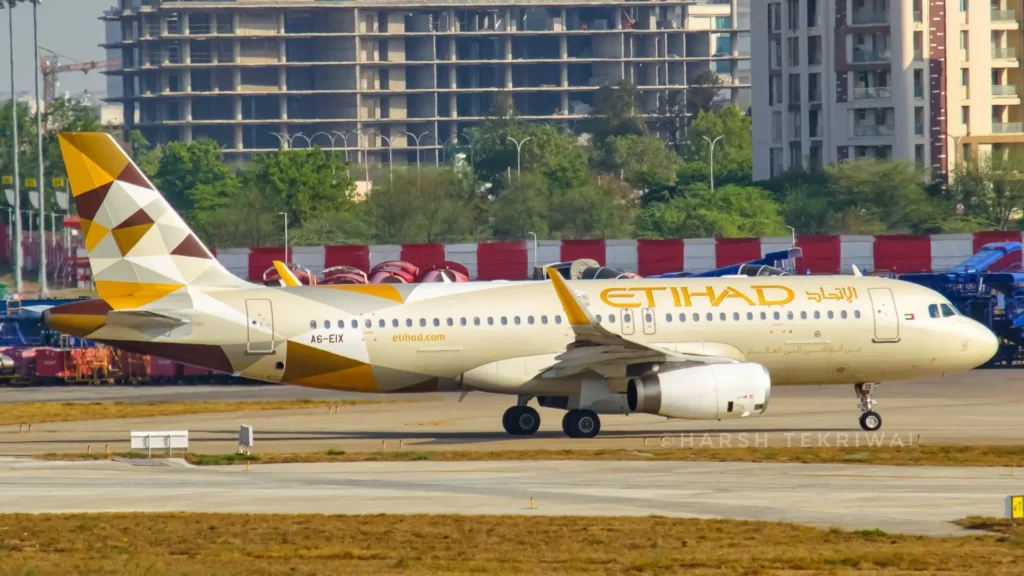
Essential Training for Cabin Crew
Cabin crew worldwide receive extensive First Aid training before they can work on flights. Annually, they undergo recurrent training to ensure their skills remain sharp.
The training curriculum covers numerous emergency situations, including managing unconscious passengers, choking, and recognizing serious health issues such as heart attacks and strokes. They also learn about treatments for allergic reactions and deep vein thrombosis.
In case of an incident, crew members are trained to reach out to off-duty medical professionals onboard or utilize satellite phones to connect with ground doctors, ensuring support is available around the clock.

Addressing Nut Allergies
The handling of allergies, especially nut allergies, during flights remains a sensitive topic. Some airlines are vigilant about this issue, with carriers like British Airways and EasyJet adapting their services to accommodate allergy sufferers.
However, not all airlines share this level of commitment, often leaving affected passengers to manage their conditions alone. Many airlines do not stop serving nuts, even for those with serious allergies, and announcements regarding allergens are rarely made.
The International Air Transport Association (IATA) recommends that passengers with severe allergies consult their physicians before traveling and ensure they carry necessary medications.

Epinephrine Access During Flights
Epinephrine autoinjectors, such as EpiPens, are vital for countering anaphylaxis quickly. Surprisingly, not all airlines are required to stock EpiPens in their medical kits.
In the U.S., the Federal Aviation Administration (FAA) mandates only that airlines carry Epinephrine in vial form, which requires additional handling by medical professionals present onboard.
However, Southwest Airlines has taken the initiative to include EpiPens in their kits, a decision made after advocacy for improved medical provisions on flights.
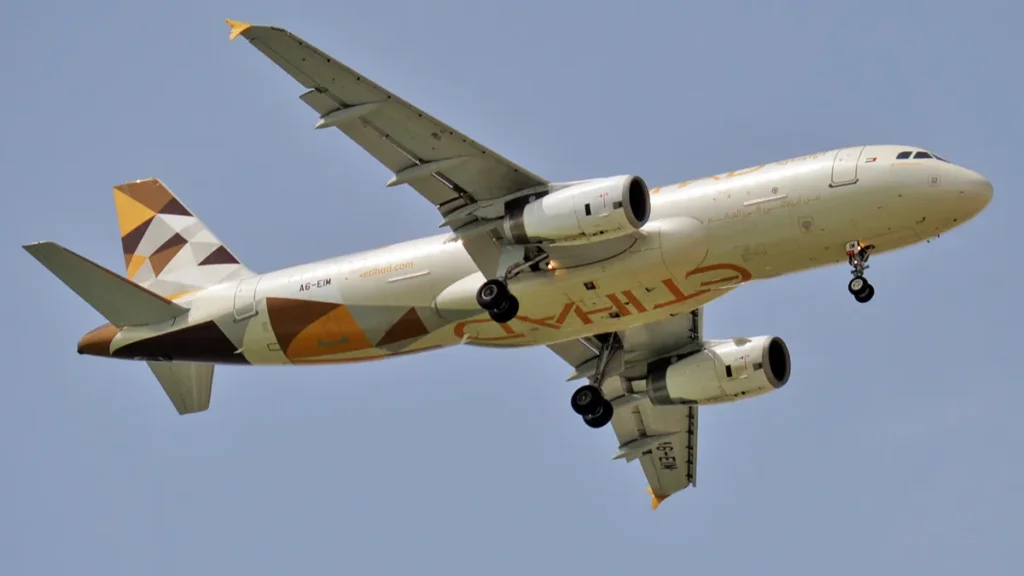
https://commons.wikimedia.org/wiki/File:Etihad,_A6-EIM,_Airbus_A320-232_(49570660241).jpg
Concluding Thoughts
The prompt actions of the off-duty doctors possibly saved the life of the flight attendant during her frightening allergic reaction on December 1. This incident serves as a strong reminder of the critical importance of emergency preparedness in aviation.
How prepared do you feel when it comes to responding to medical emergencies, whether in the air or on the ground?