Incheon Airport’s Baggage Search Proposal Sparks Controversy

SEOUL- Incheon International Airport (ICN) has become the focal point of a significant political and aviation-related disagreement following a public altercation between South Korea’s president and the leader of the country’s main international airport. This clash has ignited worries in the aviation realm regarding security policies, operational feasibility, and potential passenger disruptions at one of Asia’s most heavily trafficked airports.
Located in Incheon and serving the capital city of Seoul, ICN accommodates tens of millions of travelers each year. It is also a primary hub for airlines like Korean Air (KE) and Asiana Airlines (OZ). The controversy is particularly concerning as it involves airport security measures impacting international departing passengers.
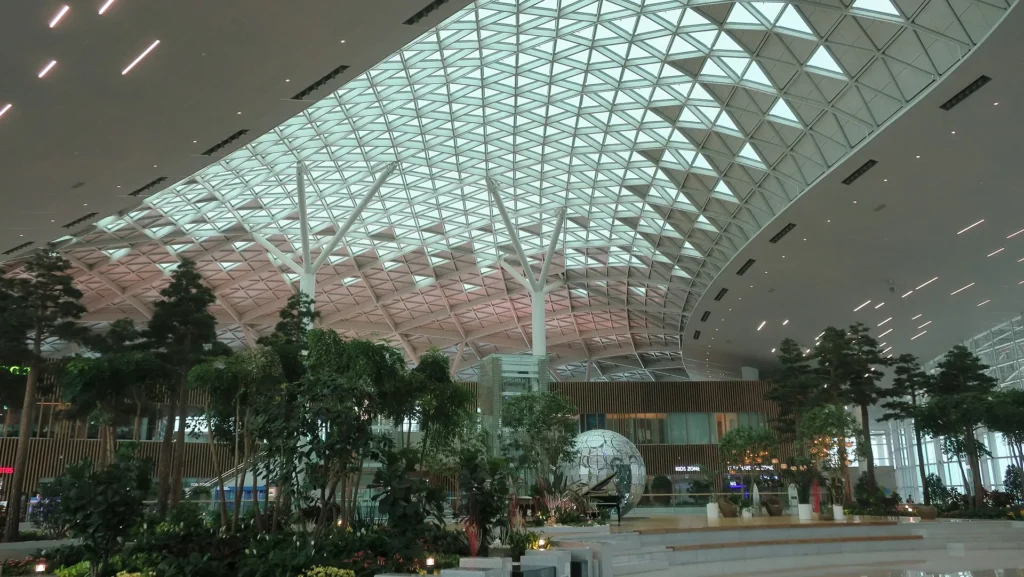
Dispute Over Security Policies at Incheon
The issue came to light on December 12, 2025, during a work report by the Ministry of Land, Infrastructure, and Transport, attended by President Lee Jae-myung. The president raised concerns about alleged techniques for cash smuggling that reportedly involved money hidden in books within passenger luggage.
He urged Incheon International Airport Corporation to mandate security personnel to manually inspect all passenger bags, specifically calling for the identification of books and thorough checks for concealed cash during security screenings.
This proposal quickly met with resistance from airport management, who contended that these actions exceeded standard aviation security protocols.
Typically, airport inspections concentrate on dangerous or prohibited items, while any currency violations are managed by customs authorities.
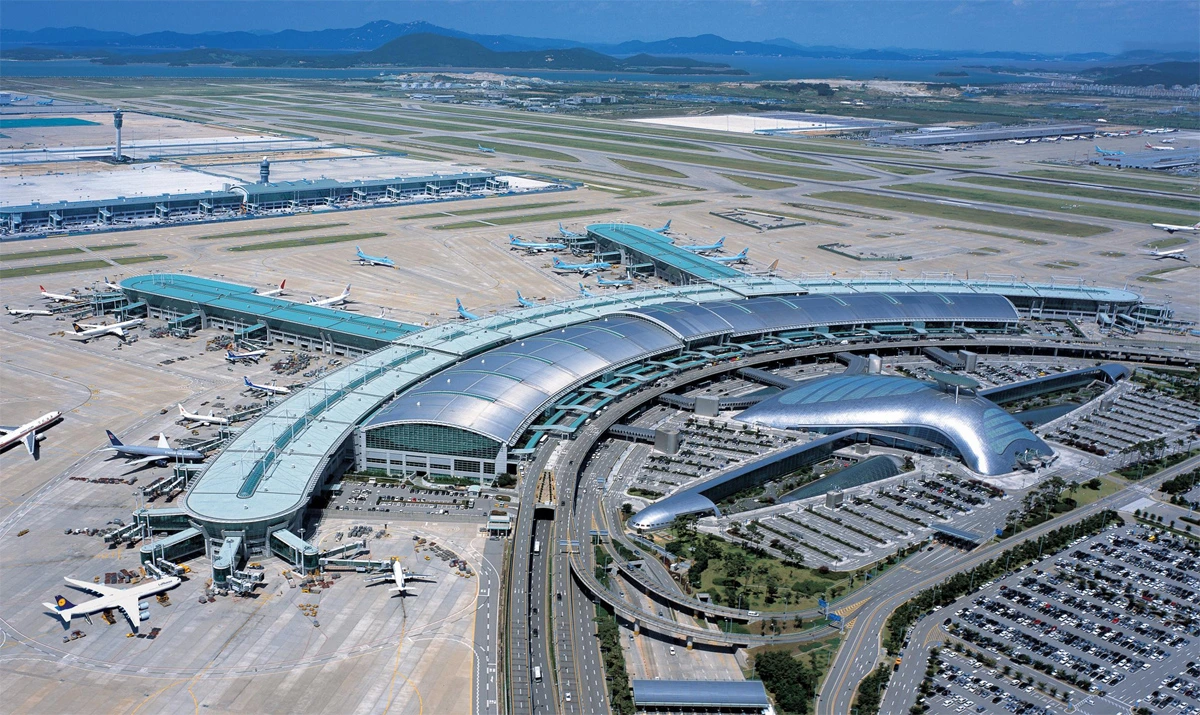
Potential Operational Risks
The president of Incheon Airport warned that mandating manual searches of all passenger baggage could lead to severe disruptions. He pointed out that enforcing this policy would likely overwhelm security checkpoints, causing significant delays for travelers.
As a key transfer hub, any holdups at security could have a ripple effect on airline schedules.
Prolonged lines, missed connections, and flight delays would potentially follow, impacting both passengers and airlines when it comes to long-haul flights.
Experts in aviation security emphasize that international regulations typically rely on risk-based screenings rather than universal manual searches. Imposing blanket inspections would contradict established global best practices, demanding more staffing and infrastructure than might be manageable.
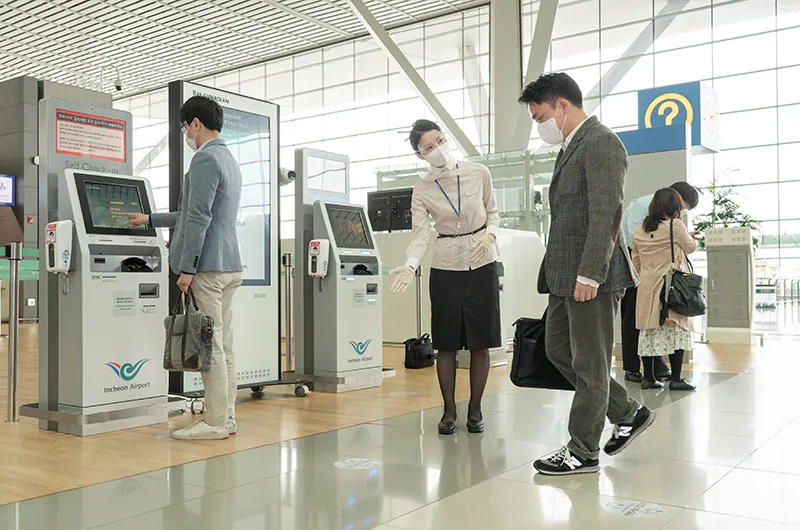
Political and Aviation Aftermath
The situation quickly spiraled into a public clash, with the president rebuking the airport chief for questioning the practicality of his directive. The airport president later clarified that his remarks were based on operational realities rather than political dissent.
He also remarked that emphasizing the rumored smuggling method could accidentally expose vulnerabilities rather than rectify them. Existing customs institutions already have protocols in place to detect illegal currency movements during outbound inspections.
This episode has led to speculation that the rift reflects broader political tensions, rather than focusing solely on aviation security reform. For the aviation sector, though, the priority remains on avoiding policy changes that could hinder airport efficiency.
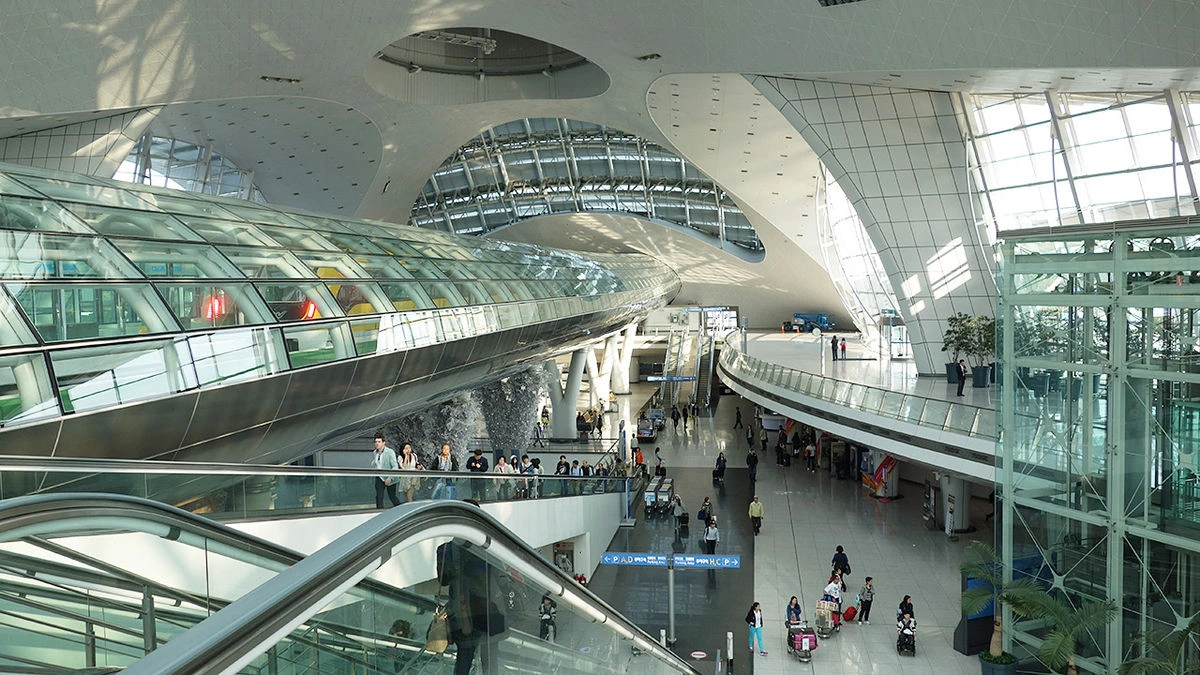
Conclusion
The Incheon Airport situation highlights the tenuous balance between security considerations and operational feasibility. While concerns regarding illegal cash movement are valid, implementing manual checks on every bag at a major hub like ICN would prove impractical.
As things stand, the dispute remains unresolved, yet industry analysts anticipate that existing security and customs frameworks will prevail. Significant alterations to baggage screening processes are likely to encounter robust pushback from airport operators and airlines alike.
How do you think this situation might evolve, and what impacts could it have on international air travel?