Spirit and Frontier Airlines: Exploring Merger Talks Amid Financial Challenges

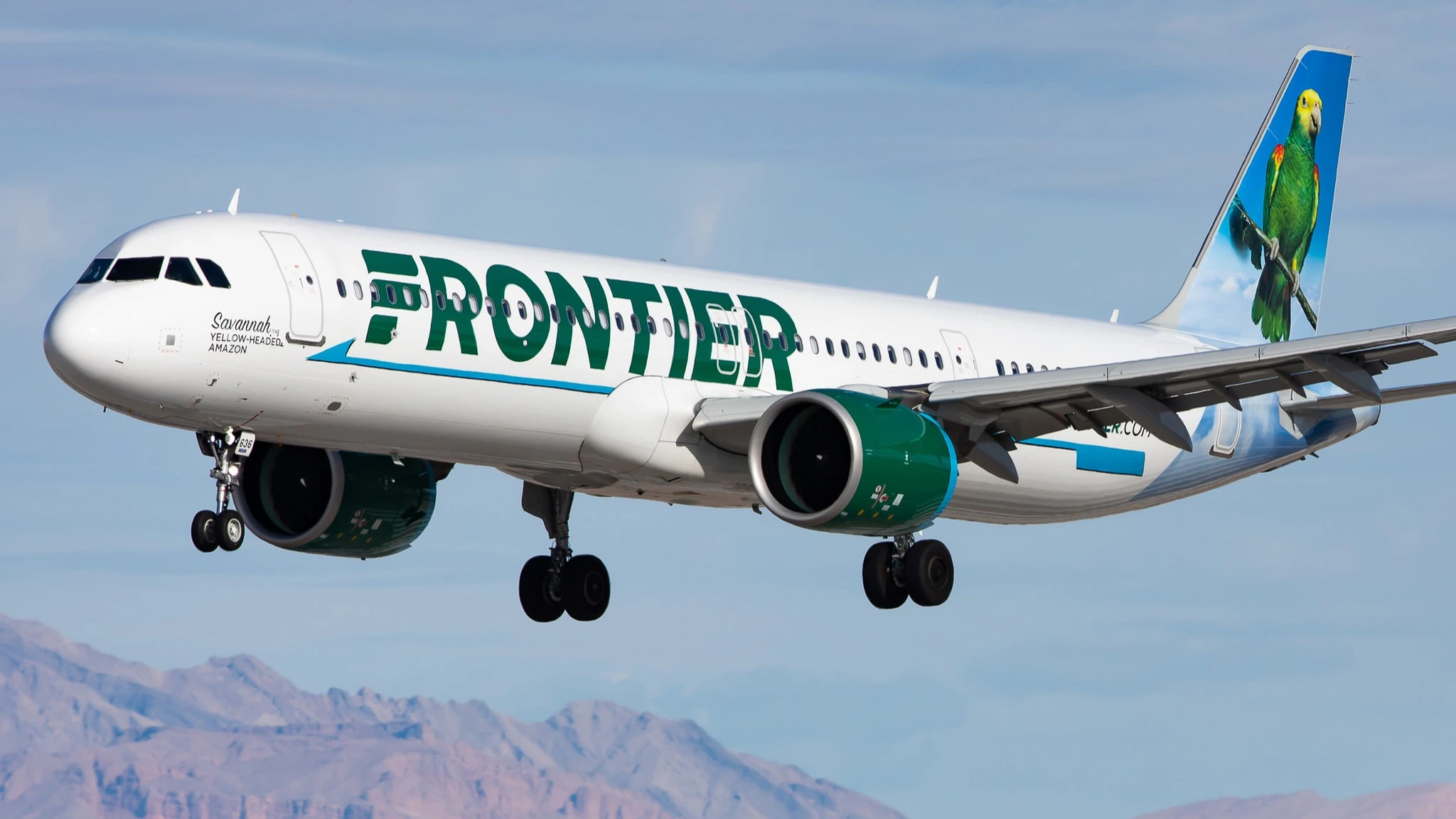
FLORIDA- The State of Florida is once again at the center of renewed discussions regarding a merger in the US ultra-low-cost airline space, as Spirit Airlines and Frontier Airlines reportedly re-enter talks about a potential merger. This marks what could be the third attempt to combine these two carriers after earlier negotiations were unsuccessful.
Spirit operates out of Fort Lauderdale, while Frontier has significant operations based in Denver. Though details of the discussions are still scarce, the renewed talks highlight the increasing financial strain facing budget airlines, alongside a rapidly changing market environment over the past two years.
Merger Discussions Resuming
This latest round of negotiations represents the third time in three years that Spirit and Frontier have considered merging.
Initial discussions fell through when Spirit opted for a competing bid from JetBlue Airways, a deal ultimately blocked by a federal judge for antitrust reasons.
Earlier this year, Frontier made a $2.2 billion offer shortly after Spirit filed for bankruptcy. However, Spirit deemed the proposal inadequate and non-negotiable at the time.
Yet the current financial pressures seem to have paved the way for renewed negotiations. Analysts indicate that with the weak operating status of both airlines, consolidation might be more attractive as the options for independent recovery dwindle for ultra-low-cost carriers.
Financial Challenges for Spirit Airlines
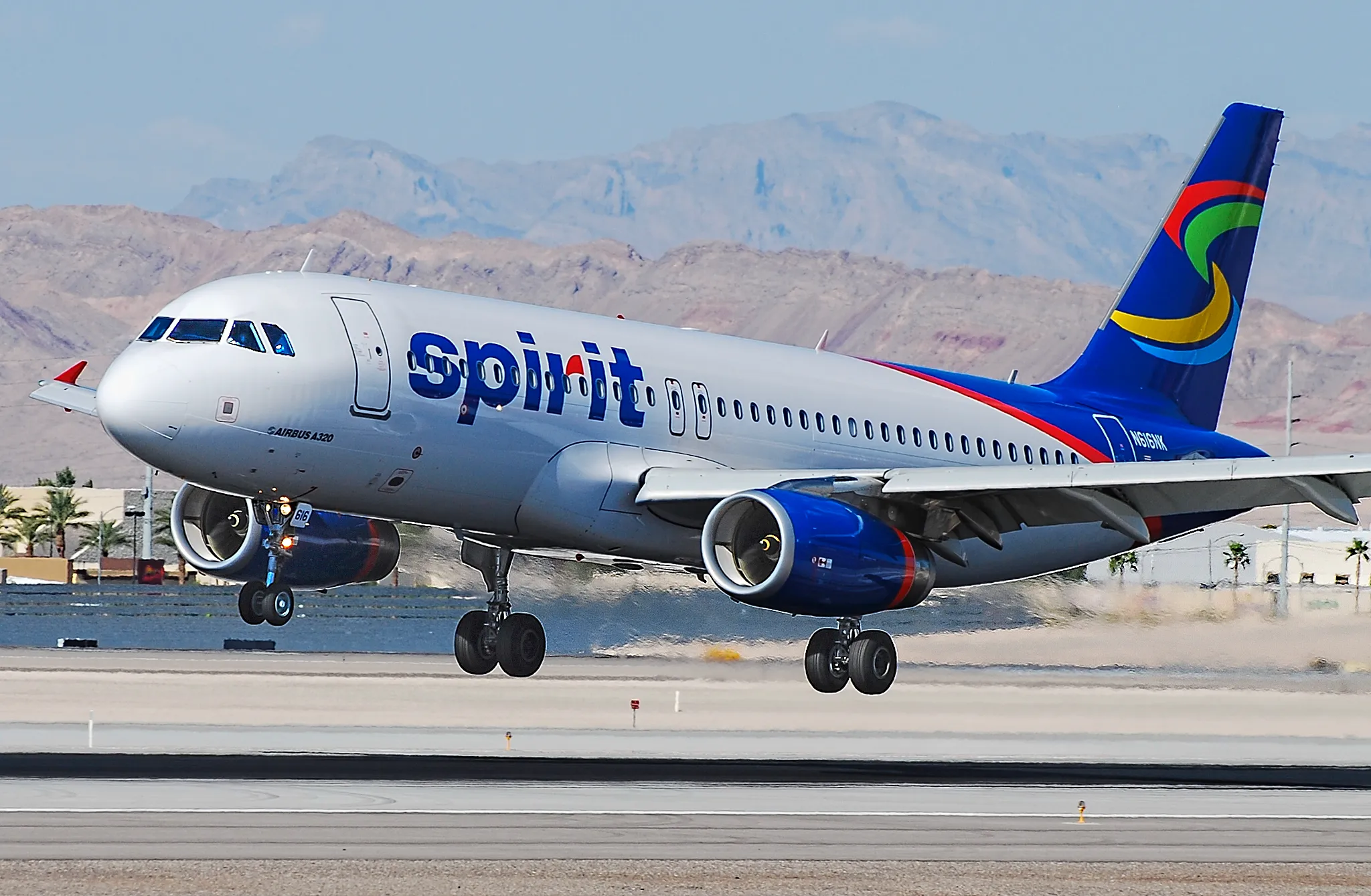
Spirit is currently under Chapter 11 bankruptcy protection for the second time within two years, highlighting its severe financial difficulties.
Cash reserves are under significant scrutiny, but the airline recently obtained $50 million in additional funding through an amended debtor-in-possession agreement.
To manage costs, Spirit has reduced its workforce, cut back on routes, and streamlined operations over the past year. Despite these measures, it has struggled with ongoing losses, reporting about $3.1 million in daily operational losses in October.
While the airline is known for its budget-friendly fares and a no-frills approach, Spirit has made changes to its offerings to align more closely with larger competitors. These adjustments have added complexity and costs during a time when demand for basic budget travel remains uncertain.
Market Pressures on Frontier Airlines
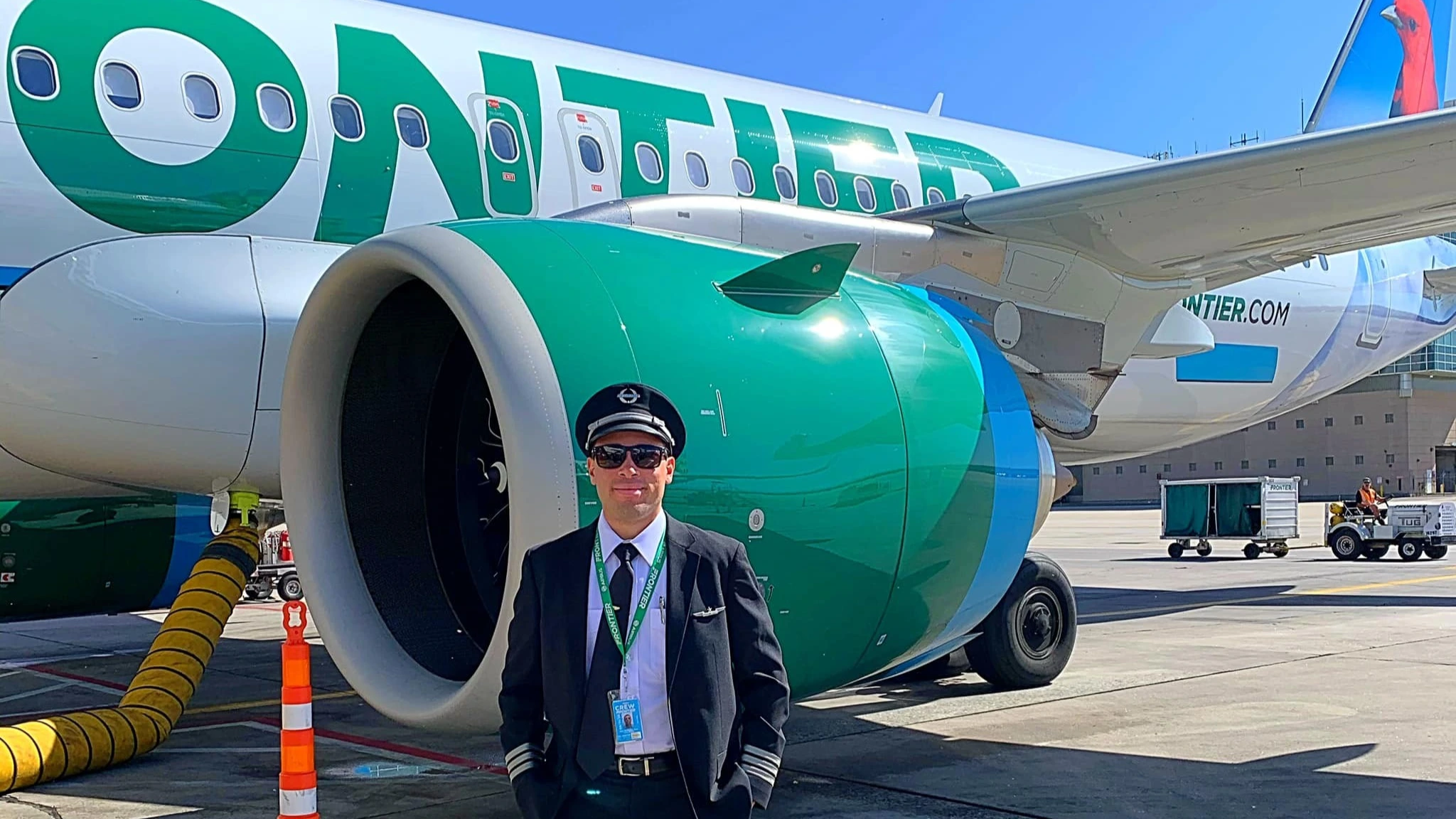
Frontier, too, faces significant pressures, mirroring the struggles of the broader low-cost airline sector. Traditional carriers have increasingly lured price-sensitive travelers with expanded basic economy fares, reducing the competitive edge once enjoyed by ultra-low-cost airlines.
For the first nine months of the year, Frontier reported a loss of $190 million, and its stock price has plummeted more than 28 percent since the start of 2025.
Leadership changes have compounded these difficulties, with long-time CEO Barry Biffle abruptly stepping down. James Dempsey, previously the president, is now serving as interim CEO, leveraging his experience from European low-cost airline operations to stabilize finances and explore strategic options.
Key Takeaways
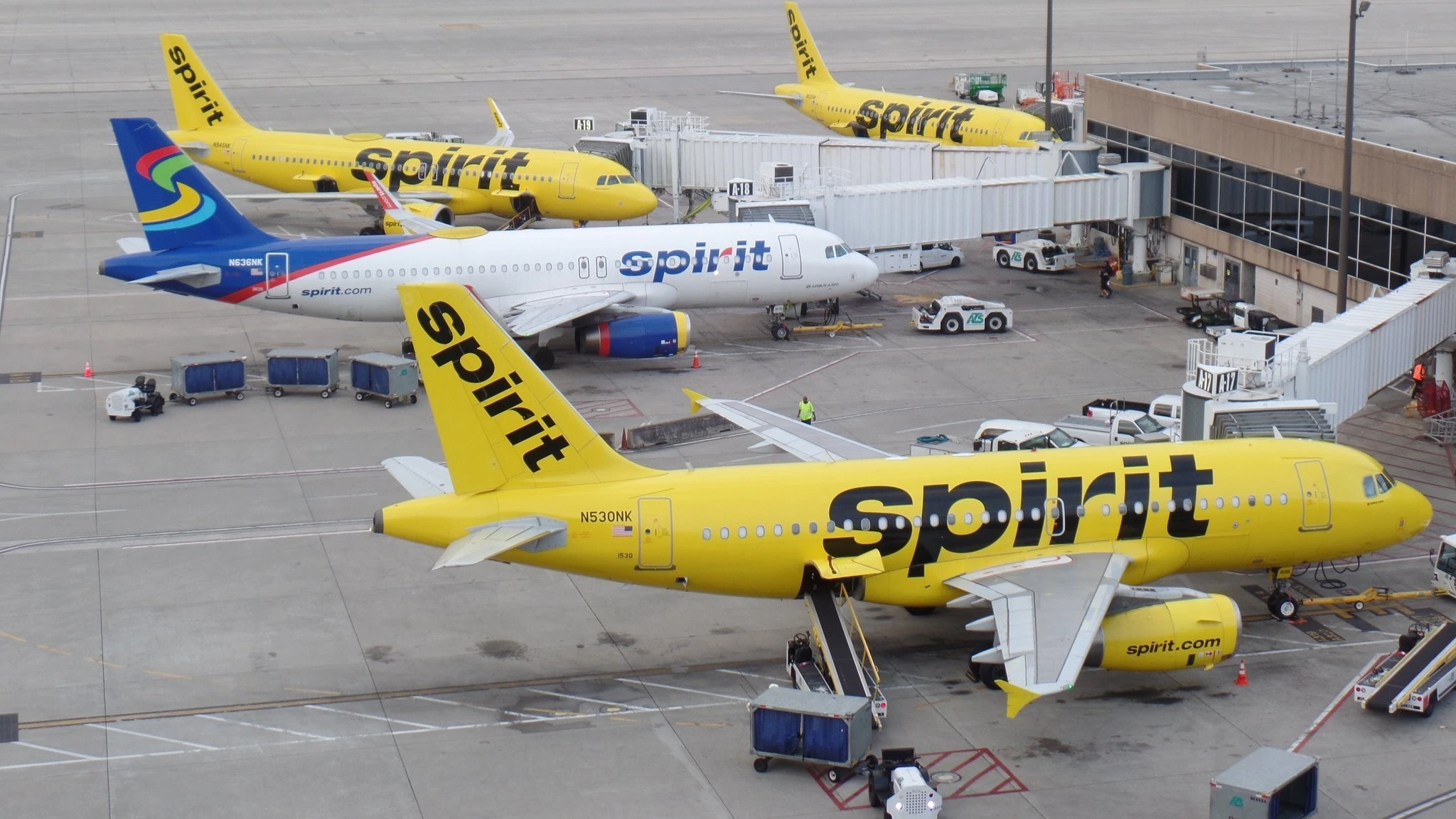
A merger between Spirit and Frontier could significantly alter the landscape of the US ultra-low-cost airline market, but it faces numerous hurdles, including financial constraints, regulatory oversight, and successful execution.
With Spirit in bankruptcy and Frontier experiencing earnings pressure, while consolidation might provide scalability benefits, it offers no guaranteed solution to their financial woes.
The success of this third merger attempt will hinge on its structure, timing, and regulatory reactions. How do you think this prospective merger will impact the airline industry? Feel free to share your thoughts!