Air Zeta Becomes South Korea’s Second Largest Cargo Airline

SEOUL- Air Zeta (KJ), previously known as Air Incheon, has officially established itself as South Korea’s second-largest cargo airline. This transformation follows the successful acquisition of Asiana Airlines’ (OZ) cargo unit.
The rebranding coincides with the sealing of a ₩470 billion ($338 million) agreement. Air Zeta is now poised for growth, with Incheon International Airport (ICN) serving as its primary operational hub.
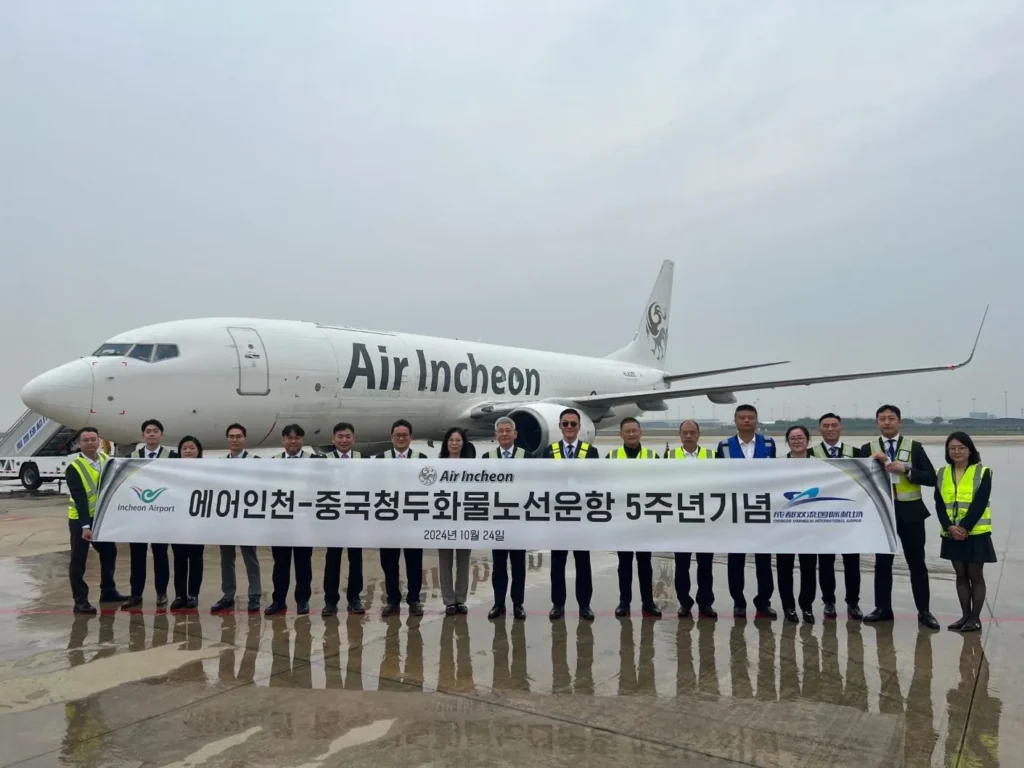
Air Zeta: South Korea’s 2nd Largest Cargo Airline
Air Incheon has rebranded to Air Zeta (KJ) following the completion of the acquisition of Asiana Airlines’ cargo operations. This strategic shift has been nearly two years in the making.
The change represents a pivotal moment in South Korea’s logistics landscape, positioning Air Zeta just behind Korean Air in national cargo market share.
This decision was influenced by antitrust regulations from international bodies that approved the Korean Air–Asiana merger.
Asiana’s cargo division is a valuable asset, praised for its long-haul freight capabilities. Reports indicate that in June 2024, officials selected Air Incheon as the top bidder, prompting the new branding as Air Zeta to align with its global aspirations.
With the slogan “Beyond Asia to the World,” Air Zeta aims to offer streamlined cargo solutions from origin to destination.
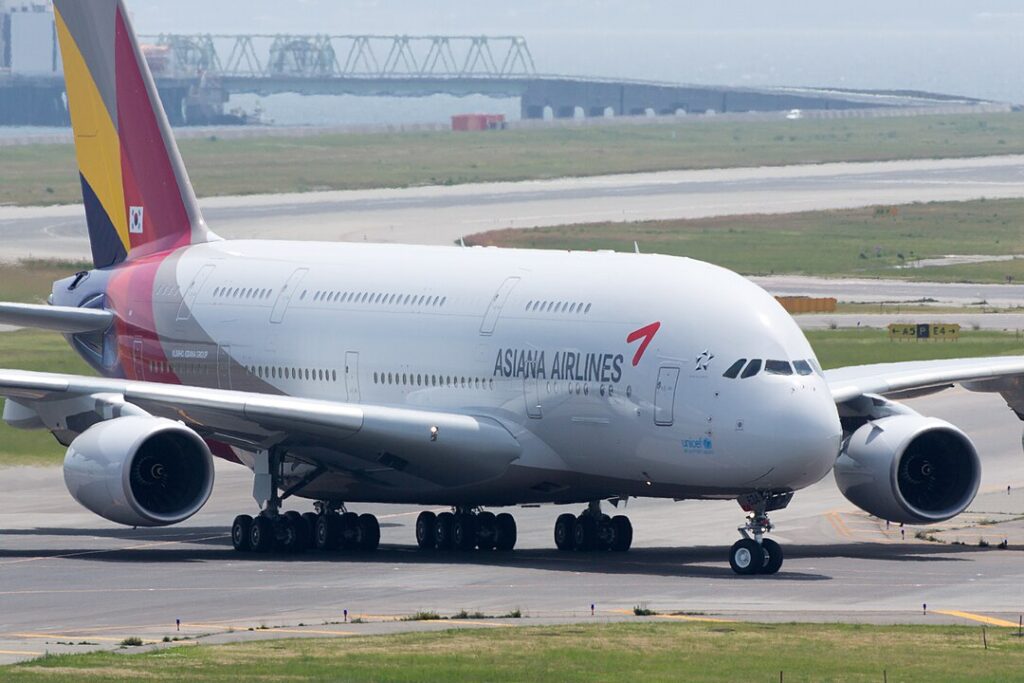
Acquisition and Regulatory Insight
The ₩470 billion ($338 million) acquisition was officially announced by Asiana Airlines in a regulatory statement. This move was essential for facilitating the merger between Korean Air and Asiana.
Regulatory bodies, including the European Commission and Japan’s Fair Trade Commission, scrutinized the transaction. To avoid a monopoly in the cargo sector, they required the sale to proceed.
As a result of the acquisition, Air Zeta now operates a fleet of 15 dedicated freighters, which include 11 from Asiana and 4 from its original fleet. This enhanced capacity allows service to 21 key cargo routes across Asia, Europe, and the Americas.
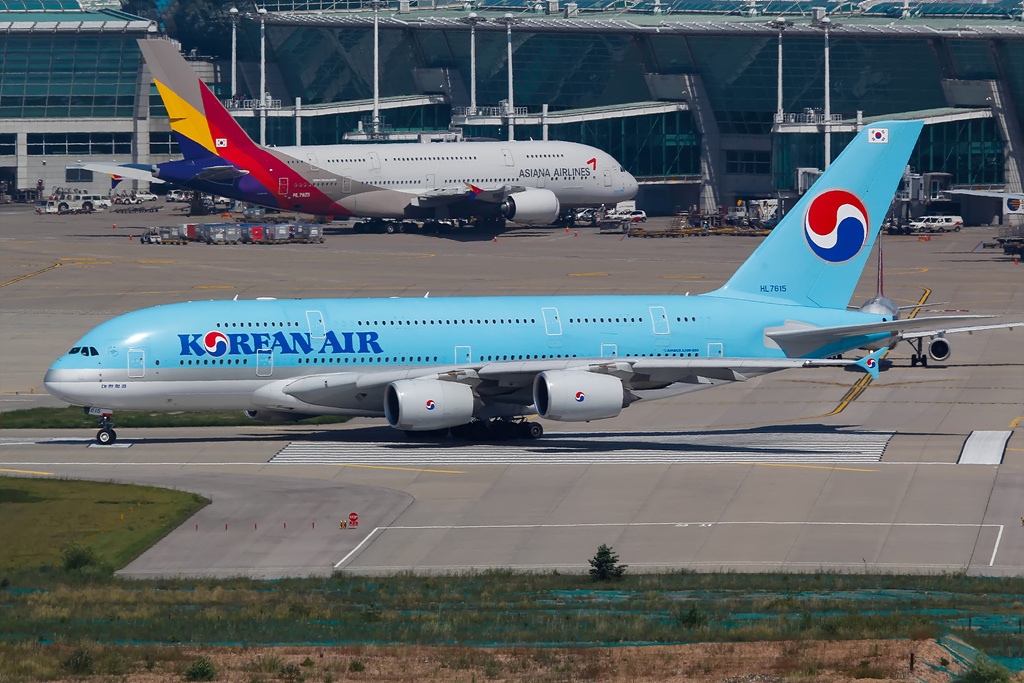
Expansion of Operations
With the addition of its new fleet and a workforce now consisting of 1,000 personnel, Air Zeta has begun operations as the second-largest cargo airline in South Korea.
While Korean Air leads with a 67% share in the cargo market, Air Zeta’s broadened route options and long-haul capabilities give it a competitive edge in global air logistics.
Air Zeta’s cargo services will cover various routes, including short-haul flights to China and Vietnam, as well as long-distance routes inherited from Asiana, focusing primarily on Europe and the Americas.
The airline’s inaugural flight under its new identity took off from Incheon International Airport (ICN) on Friday, demonstrating its readiness for extensive operational activities.
Strategic Goals
Air Zeta is set to enhance its role in high-margin industries such as e-commerce, specialized cargo, and time-sensitive logistics.
The airline aims to position itself as a competitive air logistics platform by utilizing cutting-edge digital technologies, improving cargo management, and forming global alliances.
During the launch, CEO Kim Kwan-sik emphasized their commitment to innovation and customer-centric cargo solutions.
What are your thoughts on Air Zeta’s promising future in the cargo space?