KLM Faces €30 Million Hit Due to Ground Crew Strikes

Overview of KLM’s Recent Challenges
AMSTERDAM- KLM (KL) has disclosed financial setbacks surpassing €30 million due to three recent strikes by its ground crew at Amsterdam Airport Schiphol (AMS). The airline anticipates that if industrial actions persist next week, losses could escalate by an additional €10 million.
These walkouts have caused significant disruption at one of Europe’s busiest airports, leading to numerous flight cancellations and rescheduling. KLM is already undertaking a €450 million cost-saving initiative projected for 2025, and ongoing labor disputes are further complicating their efforts.
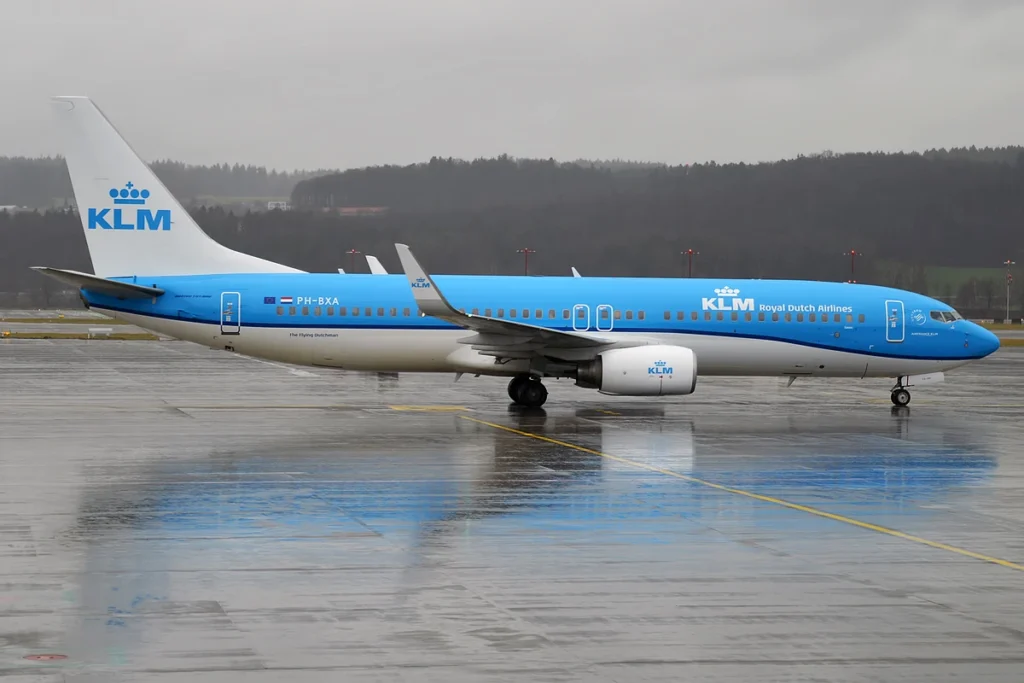
KLM’s Significant Losses
The strikes are rooted in disagreements between KLM management and several unions representing ground staff. Three unions—NVLT, VKP, and De Unie—have accepted a new collective labor agreement which includes a 2.25% wage increase. In contrast, members of FNV and CNV have rejected this deal.
These dissenting members argue that the ground staff are being unfairly compensated compared to pilots and are seeking substantially higher pay. KLM has termed these requests “unrealistic and unattainable,” cautioning that increased labor costs could affect its competitiveness.
The airline has expressed that negotiations are ongoing; however, progress has been hindered. FNV has proclaimed its intent to continue striking until its members receive a more favorable offer, with additional strikes already on the schedule.
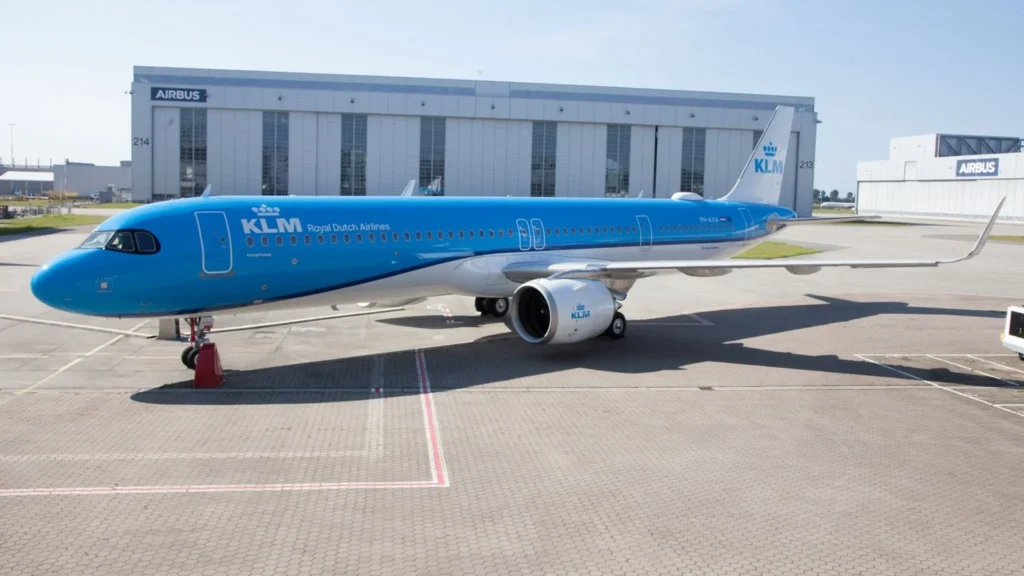
Financial and Competitive Strain on KLM
KLM is facing heightened losses due to ongoing strikes, exacerbated by fierce competition from low-cost airlines and increasing air travel taxes in the Netherlands. These challenges have led some passengers to opt for neighboring airports rather than Amsterdam.
The financial repercussions are substantial: beyond direct revenue losses, frequent disruptions negatively impact customer trust and escalate operational costs. For an airline already implementing a cost-reduction strategy, these strikes amplify the urgency for KLM to uphold efficiency while remaining competitive.
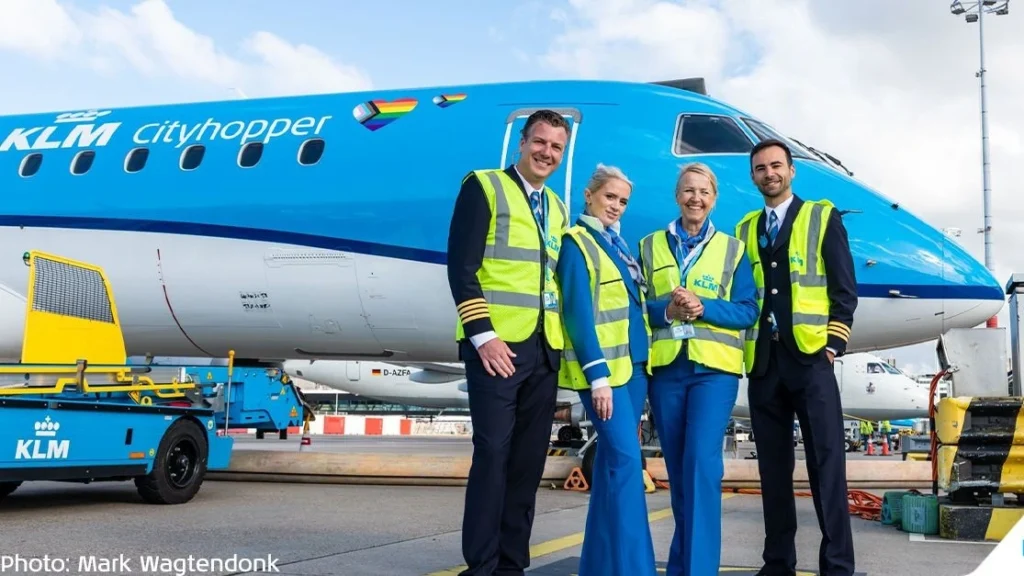
Past Legal Actions Against Strikes
Not all planned strikes have proceeded unimpeded. Earlier in the year, Dutch courts thwarted two strike actions initiated by FNV before the peak summer travel season.
These court decisions highlighted the fragile balance between safeguarding labor rights and ensuring operational stability during high traffic periods. Despite previous setbacks, unions show unwavering determination to continue their fight, prolonging uncertainty for both the airline and its passengers.
What do you think is the best way for KLM to resolve these ongoing labor disputes?