Emirates Scraps $35 Million Business Class Upgrade for Boeing 777X

DUBAI- Emirates Airline (EK) has announced that it has abandoned its initial design for the Boeing 777X business class seats, facing a financial setback of approximately €20–30 million. The decision came in response to extensive delays in the aircraft’s development.
Based at Dubai International Airport (DXB), Emirates was initially scheduled to receive its first Boeing 777-9 in 2020. However, the airline now anticipates that deliveries will not commence until 2027—resulting in a significant, seven-year delay that compelled a redesign of its cabin layout.
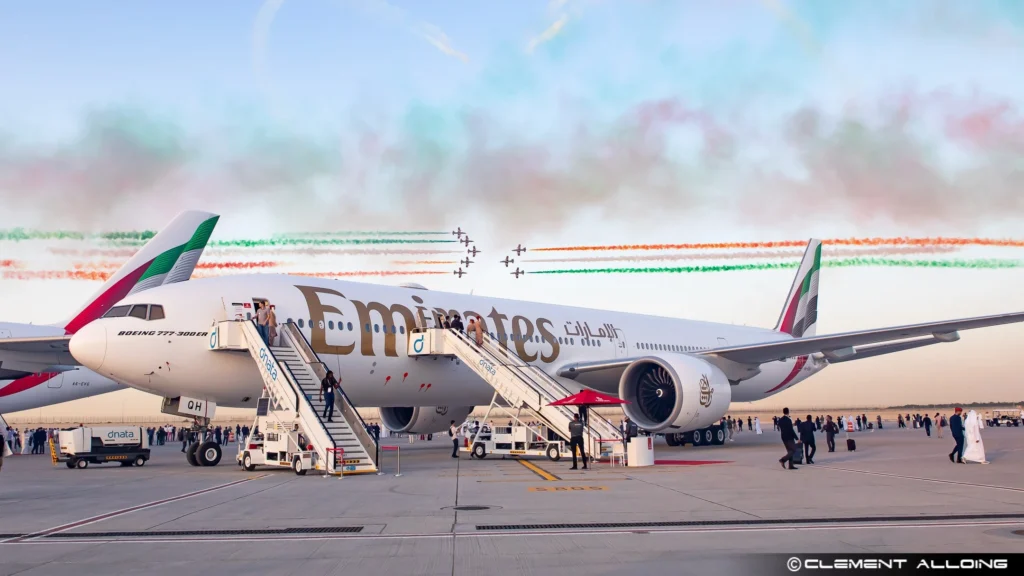
Emirates Scraps 777X Business Class Plan
Emirates’ President Sir Tim Clark confirmed to Executive Traveller that the airline has discontinued the first-generation business class design intended for the Boeing 777-9.
In 2019, Clark inspected the first test aircraft, which was nearly finished but lacked the anticipated “game-changer” first-class suites. Fast forward to the present, not one of the 107 planes from the original contract signed in 2013 has been delivered.
The prolonged wait has given rival airlines the chance to introduce modern business-class cabins on newer aircraft like the Boeing 787 and Airbus A350, as well as to retrofit existing Boeing 777s.
Competitors, including Air India, American Airlines, British Airways, and others, have already launched upgraded products, highlighting a growing gap in the market.
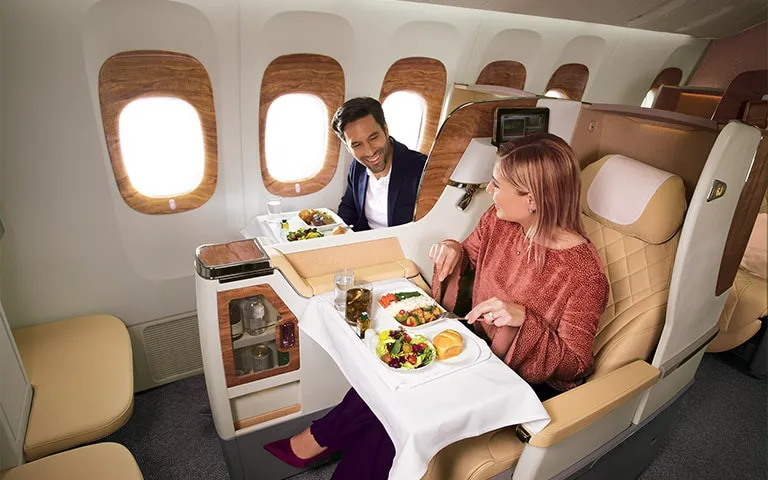
Given this landscape, Emirates decided that the original 777X business class seats no longer met industry standards.
Despite the financial loss, Clark explained that the decision was unavoidable, influenced by shifting passenger preferences in seat design, in-flight entertainment, and Wi-Fi capabilities.
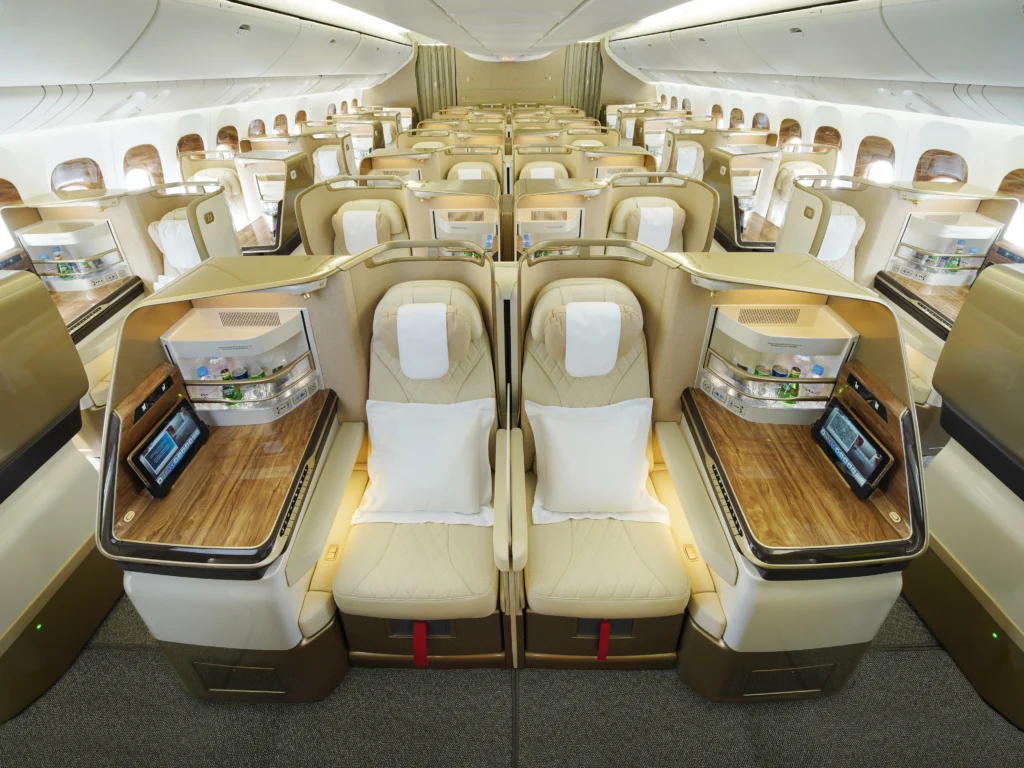
A New Business Class Concept
Moving forward, Emirates has committed to a revamped design for its 777-9 business class. This new offering is expected to include enclosed suite-style seating with high partitions and sliding doors for added privacy.
Clark mentioned that this concept builds upon Emirates’ historical innovation with first-class suites in the 1990s, influencing competitors to follow suit.
The demand for privacy in premium cabins has increased significantly. Without enclosed suites, Emirates risks being perceived as outdated. The airline aims to align its business class with the contemporary expectations of business and premium travelers.
Boeing’s Financial Responsibility
While Emirates has already faced substantial costs from abandoning the initial seat design, future modifications may further shift financial responsibility to Boeing.
Clark indicated that if additional design updates are warranted due to ongoing delays, Boeing could be expected to cover those expenses. He stressed that Emirates was prepared to launch the original product in 2023, but persistent setbacks disrupted those plans.
Boeing’s prolonged delay has not only affected Emirates’ 777X project but has also compelled the airline to invest significantly in upgrading its existing fleet.
Expensive Upgrades to Existing Aircraft
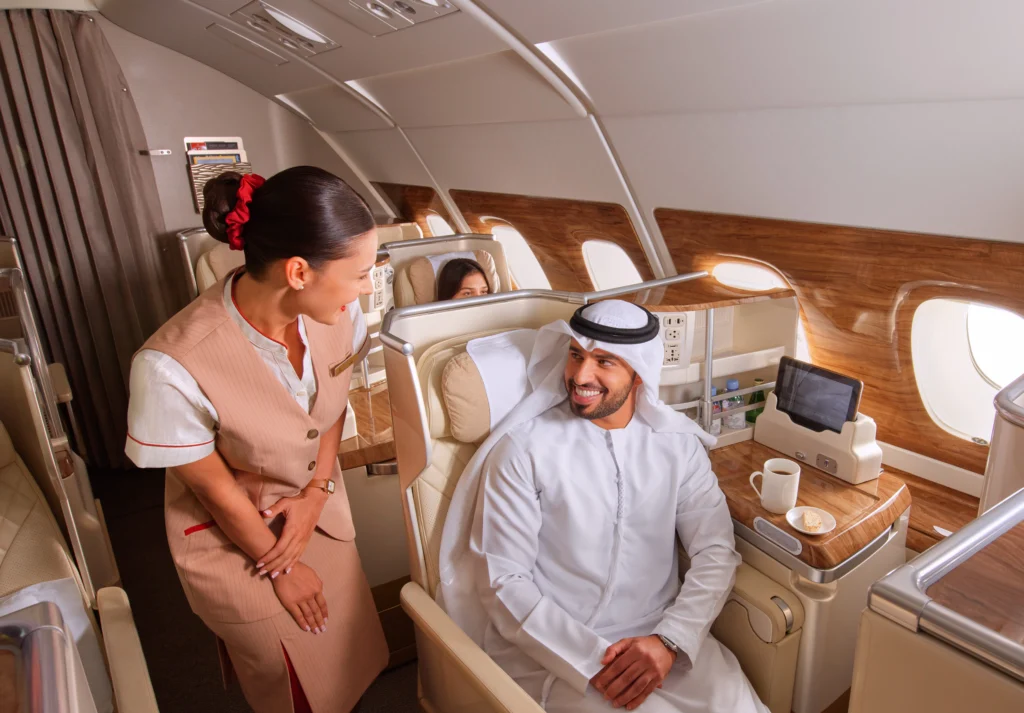
With delays in the delivery of the 777-9, Emirates has invested around US$4.5 billion of its own funds to refurbish its current fleet, including the Boeing 777-300 and Airbus A380 models.
A significant update involved replacing the old 2-3-2 business class configuration on the 777s. Clark acknowledged that this layout had lost its relevance.
The upgrades were essential to uphold Emirates’ reputation in the premium travel market. As other airlines launched suite-style cabins, there was a risk that Emirates could be viewed as lagging behind. The airline now regards its renovated cabins as a stopgap until the much-anticipated 777X finally enters service in 2027.
What are your thoughts on Emirates’ decision to redesign its 777X business class?