NTSB Investigates Near Miss Between Southwest Airlines and Helicopter in Cleveland

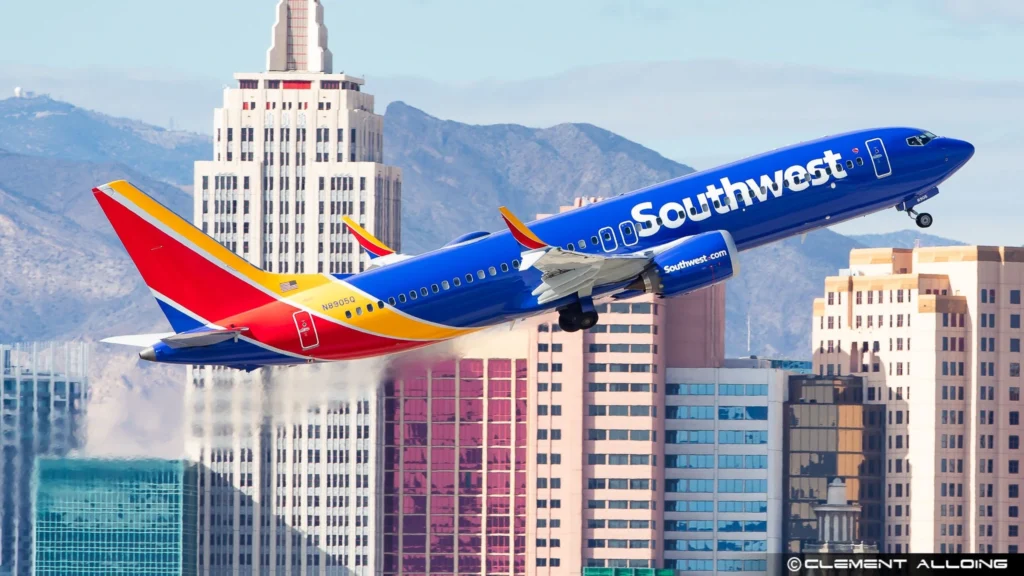
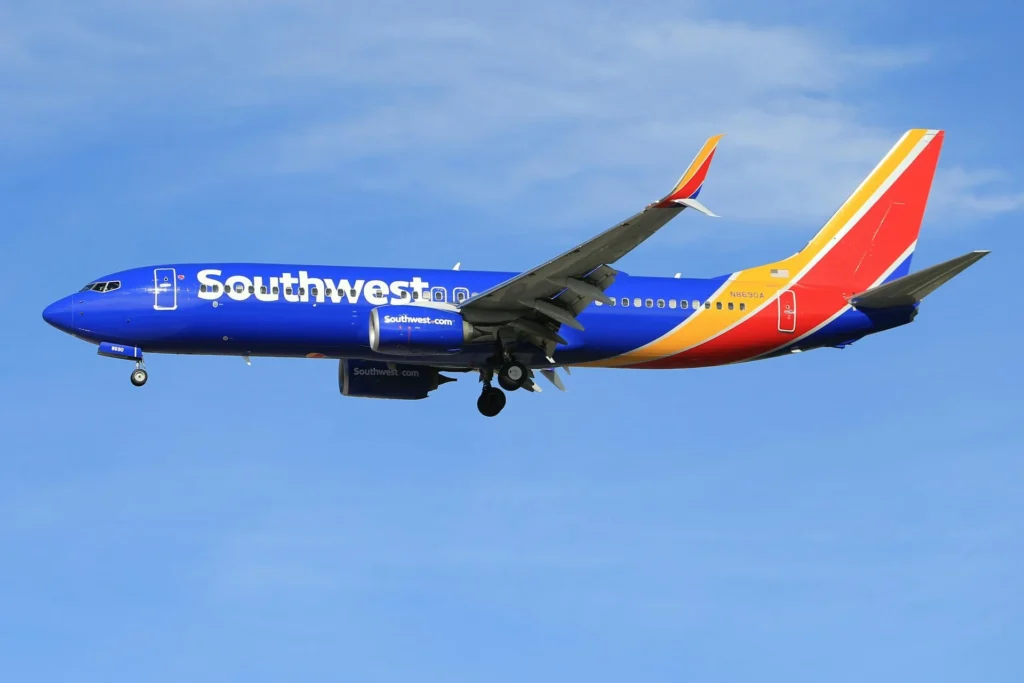
CLEVELAND- The U.S. National Transportation Safety Board (NTSB) has initiated an investigation into a recent close call involving a Southwest Airlines Boeing 737 and a medical helicopter near Cleveland Hopkins International Airport (CLE) on October 29.
Officials report that Southwest Flight 1333, arriving from Baltimore/Washington International Thurgood Marshall Airport (BWI), experienced a dangerous situation that required the pilot to abort the landing.
Close Call Between Southwest Airlines and Helicopter
The NTSB has identified this incident as a loss of separation, indicating that the aircraft did not maintain the minimum safe distance required within controlled airspace.
The Southwest jet and the medical helicopter came alarmingly close, within 0.56 miles (0.9 km) at an altitude of 2,075 feet (632 meters), as recorded by Flightradar24.
According to flight data, an air traffic controller had instructed the helicopter pilot to follow the incoming flight. However, the helicopter pilot opted to pass above and in front of the Southwest jet, a maneuver that the controller permitted.
As a result, the Southwest pilot made the quick decision to abort the landing and attempt a go-around for passenger safety. The Boeing 737 safely landed afterward without any injuries reported.
Southwest Airlines praised its crew for their swift action and confirmed that they would fully cooperate with the NTSB investigation. There has been no additional statement from the medical transport company involved.
Communications Between ATC and the Southwest Pilot
Below is a portion of the communication transcript between Air Traffic Control (ATC) and the Southwest Airlines pilot:
{ts:15}
ATC: Wi-Fi tower 301, 30123.
{ts:33}
[Music]
ATC/Pilot: Contact airport clear of space.
{ts:39}
ATC: Clear to Bravo left if you can, maintain that 2,000, head.
Pilot: We’ll maintain 2,000.
{ts:50}
ATC/Pilot: Contact… [Music]… flight traffic 8:00 about 2 miles.
{ts:69}
ATC: Southwest 73 at 4,000, setting three for the final flight.
{ts:76}
ATC: Traffic tower, Southwest 1333, right for 633.
ATC: Clean tire traffic 3:00, about 3 miles.
{ts:87}
ATC: Helicopter low 2,000, northbound, searching only six left, clear to land 633.
{ts:97}
ATC: Only six, take off.
Pilot: All right.
ATC: 53, traffic about 9:00 now.
{ts:116}
ATC: 737, maintain the separation. Traffic, maintain separation.
{ts:132}
ATC: 133, helicopter now 2:00, 2 miles. They have you in sight; maintain separation.
Pilot: Copy, thanks. We’re still searching.
{ts:138}
ATC: Southwest 1333, traffic.
Pilot (SW 1333): It’ll be better if we go above it and in front of it if we can. We’re deviating right for the traffic.
ATC: Roger. Would you like…
Pilot: Negative, we can come back. Yeah, we’re going to execute a go-around. We got an RA (resolution advisory) right there.
{ts:196}
ATC: Roger. When able, heading 060.
Pilot: Heading 060, Southwest 1333.
{ts:210}
ATC: Maintain 3,000.
Pilot: Climb, maintain 30,000, Southwest 1333.
{ts:223}
ATC: 1333, climb 4,000, turn left 320.
Pilot: 4,000 and left turn 320, Southwest 1333.
ATC: Contact 26.55, 1333.
Concerns Over Airspace Safety
The situation in Cleveland adds to ongoing concerns regarding airspace safety in the U.S.
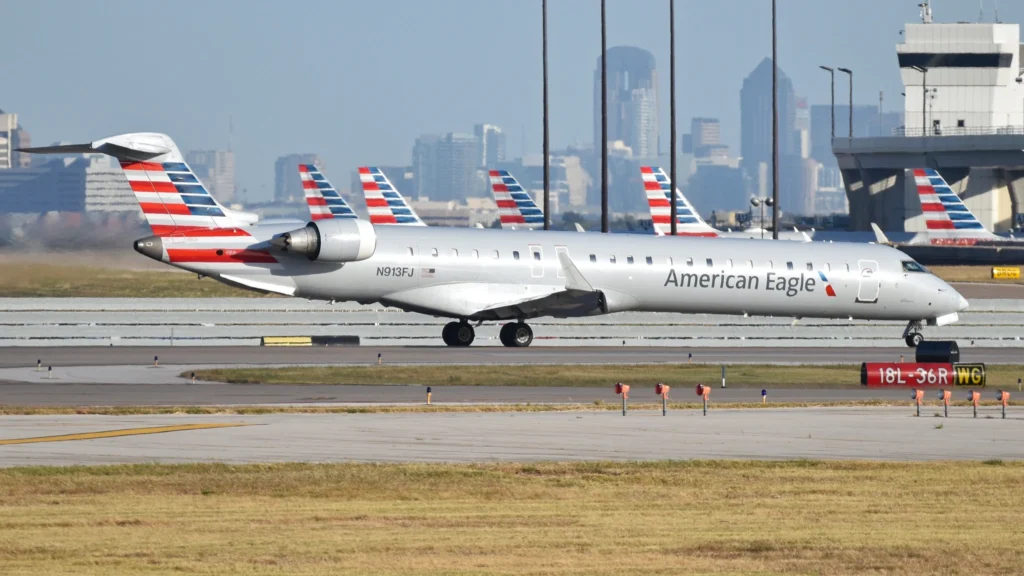
On January 29, a tragic mid-air collision between an American Airlines regional jet and a U.S. Army helicopter near Ronald Reagan Washington National Airport (DCA) resulted in the loss of 67 lives, escalating fears about close encounters between various types of aircraft.
In response to this tragedy, the Federal Aviation Administration (FAA) implemented revised helicopter flight paths around BWI, DCA, and IAD to enhance safety buffers.
Despite these changes, the NTSB has reported a concerning trend: since 2021, over 15,200 air separation losses have occurred near Reagan, with 85 of those categorized as close calls.
Recent Near-Miss Incidents
The Aviation Herald also highlighted another recent near-miss involving a Delta Air Lines Airbus that was rerouted from John F. Kennedy International Airport (JFK) to Boston Logan International Airport (BOS) due to poor weather conditions. The plane narrowly avoided a Cape Air Cessna departing from the same runway.
These recent events underscore the pressing issues of airspace congestion and the urgent need for improved coordination among commercial, private, and emergency flights.
Wider Implications and Air Traffic Control Issues
The ongoing government shutdown has intensified staffing challenges among air traffic controllers, particularly in vital control facilities.
Reports indicate that 44% of flight delays last Sunday were attributed to insufficient staffing, a sharp rise from the usual 5% annual average. Given their essential role, air traffic controllers are mandated to work without pay during government shutdowns, which adds to operational pressures.
The FAA has faced criticism for slow policy responses to previous near-miss incidents, including a close call in May near the Pentagon that resulted in the Army being restricted from operating helicopters in that region.
What are your thoughts on airspace safety and the measures needed to prevent future incidents?