British Airways Plane Dodges Drones Near Heathrow

British Airways Averted Drone Disaster at Heathrow: Investigation Findings
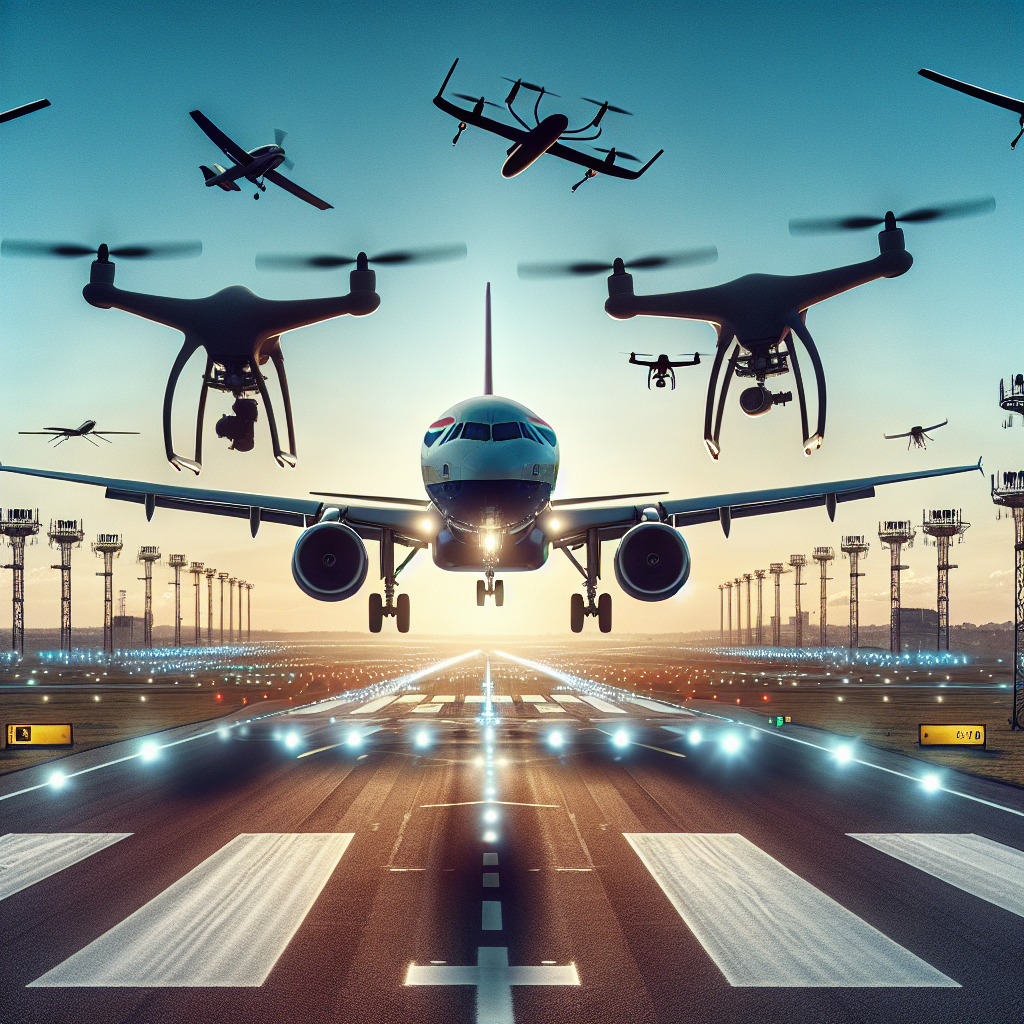
LONDON – On July 28th, a British Airways Airbus A321 narrowly avoided a potentially disastrous incident as it approached Heathrow Airport. While flying at an altitude of 800 feet, the pilots spotted two drones dangerously close, just 50 feet above their aircraft. This alarming encounter has prompted an in-depth investigation by the UK Airprox Board (UKAB), focusing on the rising threat of drone activity near airports.
The brave actions of the flight crew ensured a safe landing, but the incident has raised serious safety concerns regarding unauthorized drone flights in proximity to commercial airliners.
Investigation Findings: British Airways Drone Incident
The UKAB’s investigation classified the drone activity as a Category A incident, indicating a severe risk to the aircraft and its passengers. The board concluded that the drones posed a significant threat, as they could have been sucked into the engines of the Airbus A321, jeopardizing the safety of everyone on board.
Legal Implications for Drone Pilots
While the identities of the drone operators remain unknown, they could face serious legal repercussions, including imprisonment for up to five years. UK regulations prohibit drone flights within a five-kilometer radius of airport runways, with a maximum altitude limit of 400 feet. This incident underscores the critical need for stricter enforcement of these regulations to prevent similar close calls in the future.
Drones in Conflict: The Details
According to the pilots, the drones were flying at an estimated altitude of 850 feet, likely capturing footage of the landing aircraft from a unique perspective. The UKAB’s report detailed the pilots’ observations:
- Initial Detection: The first officer spotted two objects directly ahead and above the aircraft.
- Identification: Both pilots recognized the objects as drones, describing them as identical and flying in a lateral formation.
- Risk Assessment: The pilots assessed a clear risk of collision, noting the distinguishable black propellers on the drones.
The investigatory board emphasized that providence played a significant role in the safe outcome of this incident, acknowledging the real risk of a collision had the drones been at a different altitude or trajectory.
For more information on the safety risks posed by drones near airports, check out UKAB’s official report and learn about current drone regulations that aim to protect air traffic.
Conclusion
The close call involving the British Airways flight sheds light on the increasing dangers of drone activity in airspace reserved for commercial aviation. As drone technology continues to evolve, ensuring the safety of passengers and aircraft remains paramount.
What are your thoughts on drone regulations and their enforcement near airports? Share your views below, and don’t forget to explore our related articles for more insights on aviation safety.