Southwest Changes Landing Procedure to Protect Crew Safety

Southwest Airlines to Revise Landing Procedures to Enhance Cabin Crew Safety
Southwest Airlines is set to implement significant changes to its landing procedures starting December 4, 2024, in a proactive move aimed at reducing injuries among cabin crew members during turbulence. This decision, communicated through an internal memo, highlights the airline’s commitment to the safety and well-being of its flight attendants.
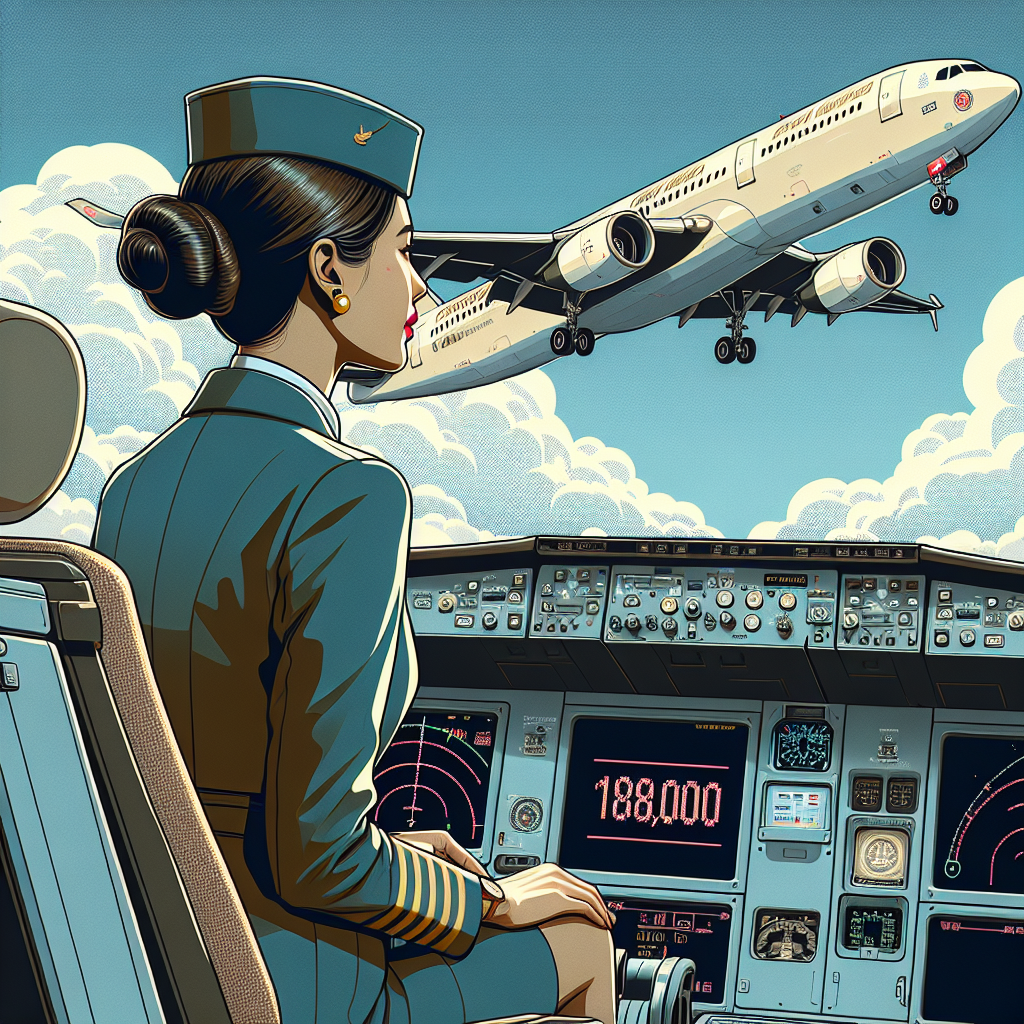
According to the memo, cabin crew will now be required to secure the cabin at 18,000 feet, a full 8,000 feet earlier than the current protocol of 10,000 feet. This adjustment is part of Southwest’s long-term strategy to enhance operational safety and reflects years of research and data analysis regarding turbulence incidents.
New Procedures for Enhanced Safety
- Early Cabin Securing: Starting December 2024, cabin crew members must secure the cabin at 18,000 feet.
- Pilot Notification: Pilots will signal the start of the sterile flight deck with a high-low chime at 18,000 feet, indicating it’s time for crew members to be seated and secured in their jump seats.
- Focus on Injury Reduction: Southwest anticipates that these changes will lead to a 20% decrease in flight attendant injuries, based on evaluations from their Safety Management System (SMS) and Flight Data Analysis Program (FDAP).
This proactive measure follows several high-profile turbulence incidents that have resulted in injuries and fatalities. Notable cases include:
- In November 2024, five passengers and six crew members were injured during severe turbulence on a Lufthansa flight from Buenos Aires to Frankfurt.
- An EVA Air flight to Taiwan in August 2024 experienced turbulence during meal service, resulting in minor injuries to six crew members.
- A tragic incident in May 2024 saw a passenger death and over 30 injuries on a Singapore Airlines flight due to severe turbulence.
Industry Trends in Turbulence Management
Southwest Airlines is not alone in adjusting its policies. Korean Air has also revised its in-flight service protocol, concluding services 40 minutes prior to landing on medium to long-haul flights—20 minutes earlier than before—to minimize turbulence-related risks.
Commitment to Safety and Future Evaluations
Southwest Airlines has reiterated that these changes reflect their unwavering commitment to safety. If the revised landing procedures do not achieve the desired reduction in injuries, the airline is prepared to explore alternative solutions to ensure the safety of its crew.
For more information on airline safety measures and updates, you can visit the Federal Aviation Administration’s website or check out related articles on turbulence management strategies.
As turbulence remains a pressing concern for airlines and passengers alike, the industry continues to prioritize safety improvements. What are your thoughts on Southwest’s new procedures? Share your insights below or explore more articles on airline safety and operational changes.