US Airlines Raking in Billions from Junk Fees: Here’s How

US Airlines Rake in Billions from Junk Fees: What Travelers Need to Know
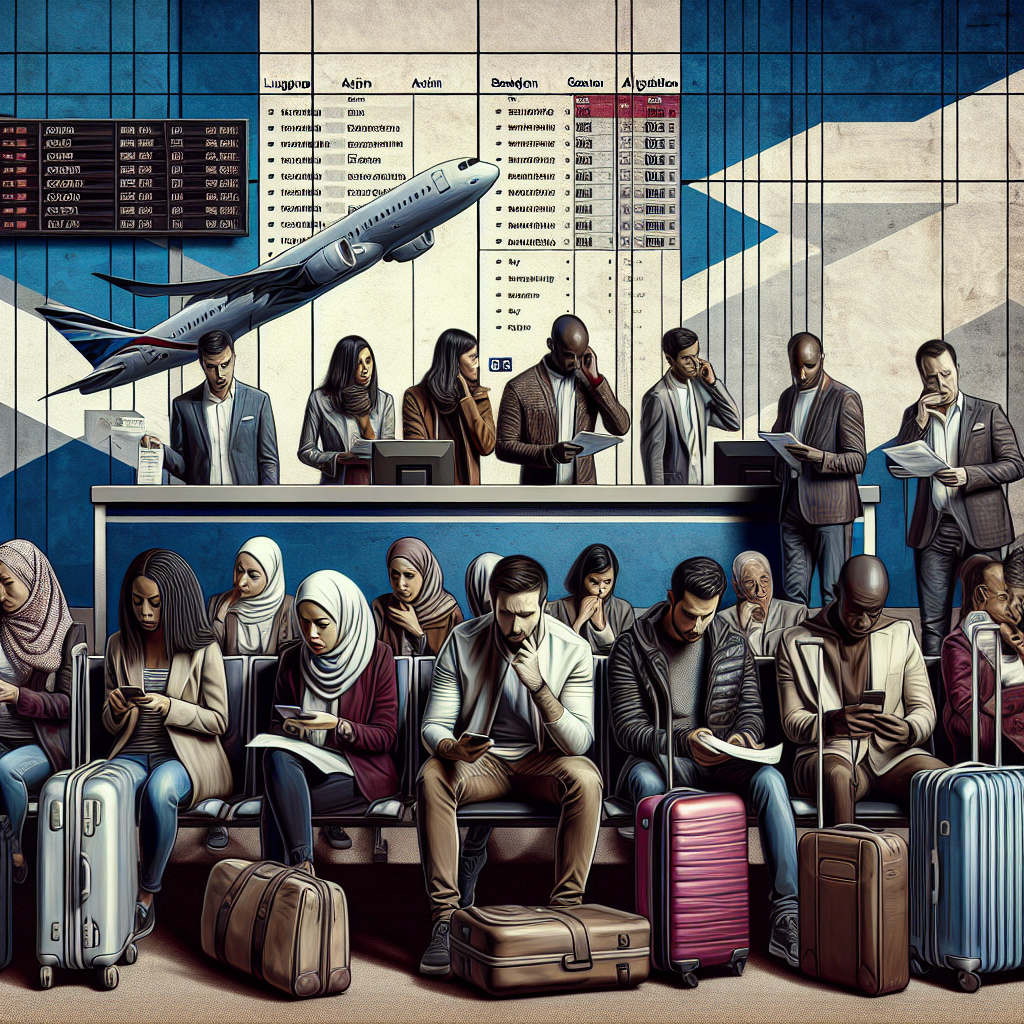
A recent report from a Senate subcommittee has shed light on the staggering revenue US airlines generate from "junk fees." These fees, which include charges for carry-on luggage, checked baggage, and pre-booked seating, have become a significant source of income for carriers across the nation. As airlines continue to profit from these additional costs, travelers are left wondering how to navigate this complex landscape.
US Airlines Make Billions from Junk Fees
According to the Senate report, the top five US airlines collectively amassed an astonishing $12 billion from passengers for pre-booking their seats, with extra legroom options being particularly lucrative. United Airlines (UA) charges the highest fees, reaching up to $319 for preferred seating. Competing airlines like Delta Air Lines (DL) and American Airlines (AA) follow closely, with fees capped at $264 and $140, respectively.
Low-cost carriers are not exempt from this trend either. Spirit Airlines (NK) charges as much as $299 for extra legroom, while Frontier Airlines (F9) has fees reaching up to $141. The report, part of a comprehensive 55-page document by the Biden Administration, highlights how these seat fees have become a norm in the aviation industry.
"Seat fees have grown more expensive and farther-reaching," the report states, noting that airlines are now charging for additional legroom, aisle and window seating, and even the ability to sit together as a family.
What Customers Can Expect Moving Forward
The Biden administration’s Department of Transportation has positioned itself as pro-consumer, which has created tensions with airlines unhappy about recent regulations. As we move towards a new political landscape with the Trump administration potentially taking over, airlines may anticipate more favorable policies, similar to the perceived "boom" period from 2016 to 2020.
Travelers should be prepared for airlines to have increased flexibility in charging for additional services, such as baggage fees and seat selection. Delta’s CEO, Ed Bastian, has expressed optimism about the impending administration change, suggesting that airlines are looking forward to a more accommodating regulatory environment.
Key Takeaways for Travelers
- Understand Junk Fees: Familiarize yourself with the various fees airlines charge for services like luggage and seating options.
- Plan Ahead: Consider pre-booking your seats and luggage to avoid higher fees at the airport.
- Stay Informed: Keep an eye on potential changes in airline policies with the shift in administration.
As the landscape of air travel continues to evolve, staying informed about these junk fees will be crucial for travelers looking to save money. Have thoughts on this topic? Share your experiences with junk fees in the comments below, and check out our related articles for more insights into navigating the airline industry.
For further reading, you can explore the Department of Transportation’s website for updates on airline regulations and see this report for more detailed findings.