
Air Traffic Controller Responds to Ryanair CEO’s ‘Shameful’ Comments

A Senior Air Traffic Controller’s Critique
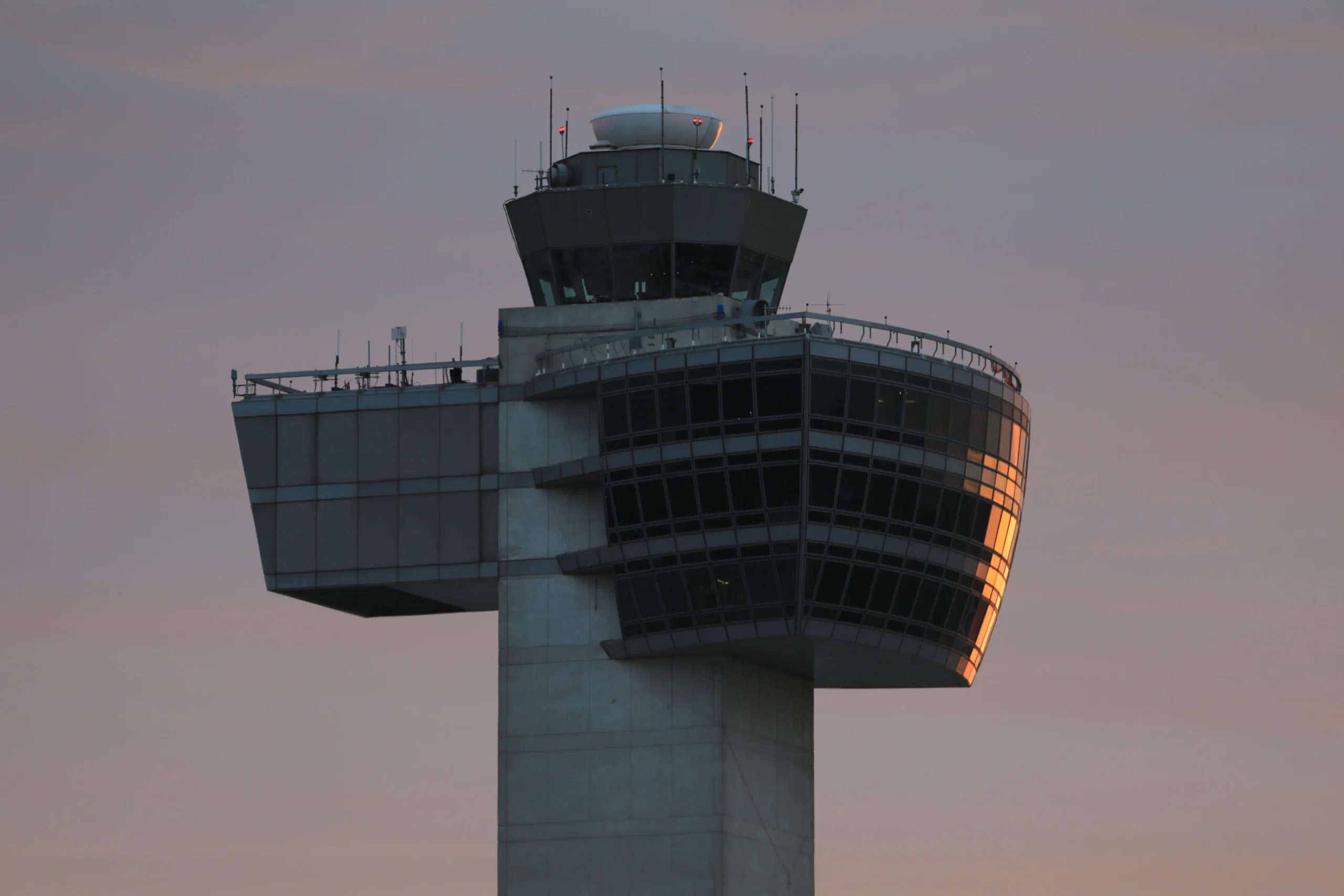
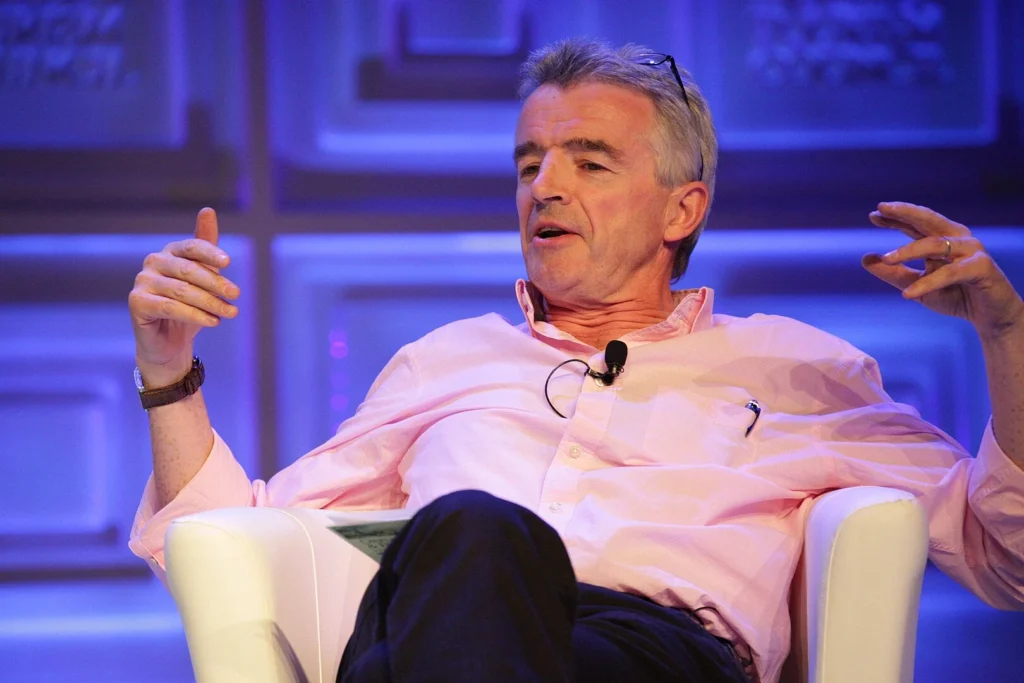
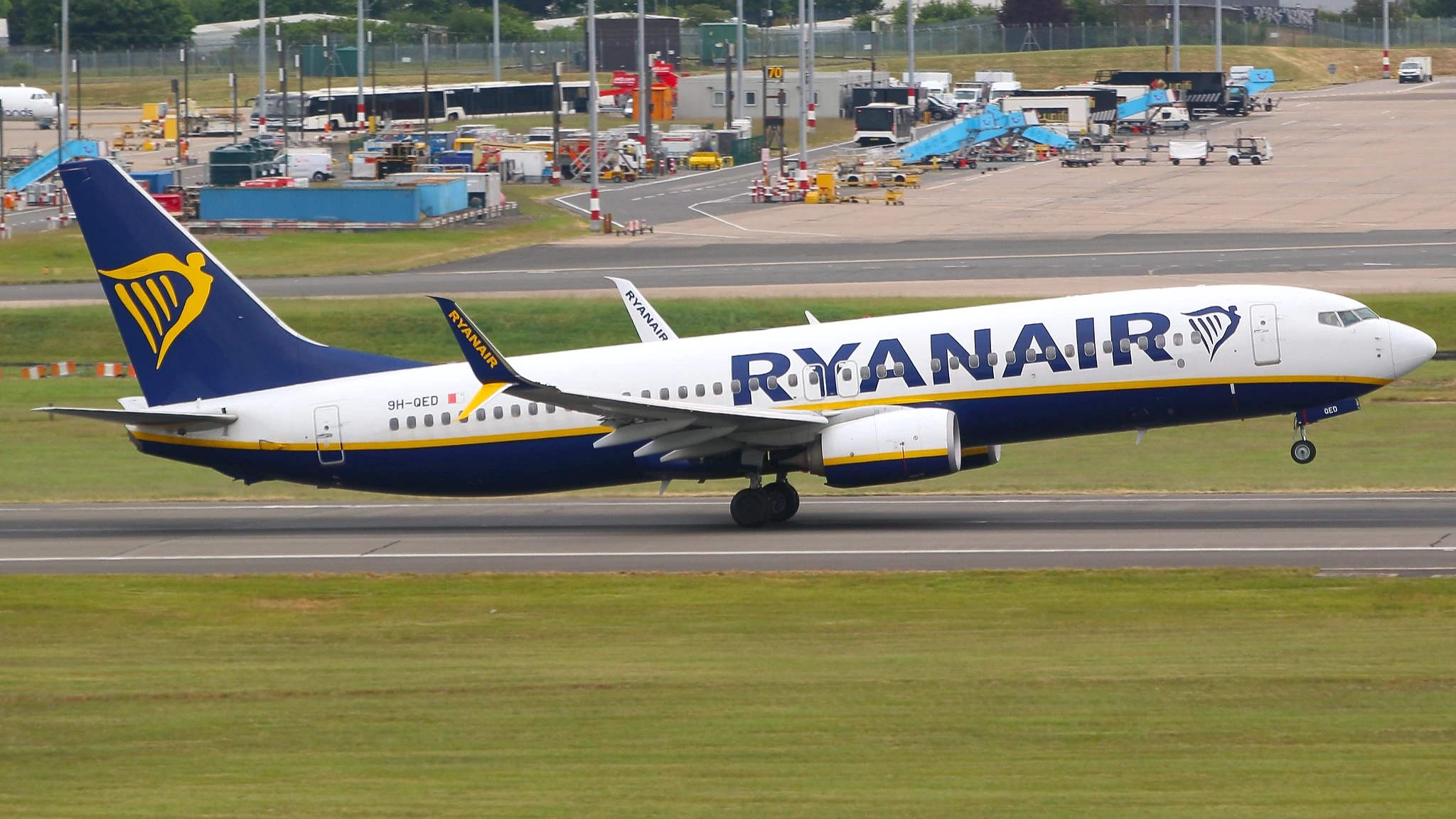
A senior air traffic controller has publicly expressed discontent towards Ryanair and its CEO, Michael O’Leary. The controller referred to O’Leary’s remarks as “shameful” trolling aimed at the air traffic control (ATC) profession.
In a message shared on a pilot forum, the controller conveyed that the industry is fed up with the ongoing criticisms. Reports indicate that Ryanair claimed Europe’s air traffic control services are so overwhelmed that over 30 million passengers have faced delays and cancellations this year.
Ryanair’s Controversial Claims
The air traffic controller pushed back against Ryanair’s negative depiction of ATC failures. They noted that numerous control units are operating beyond their designed limits, which are crucial for maintaining safety standards. The controller emphasized that rising traffic levels, compounded by ongoing military conflicts, have added complexity to their responsibilities.
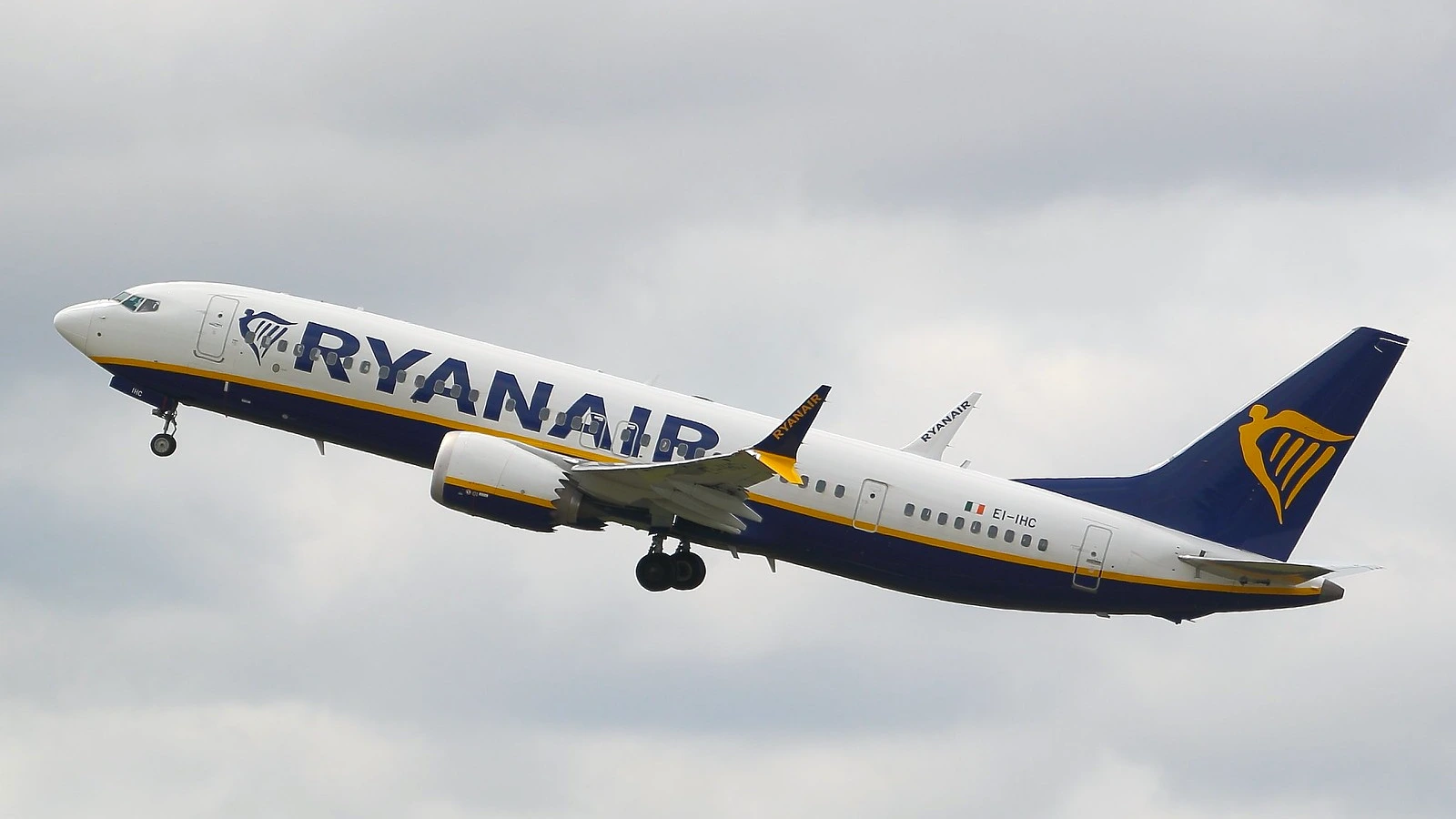
Nonetheless, Ryanair argues that chronic understaffing and poor management in ATC systems—particularly in countries like France and Germany—have caused significant disruptions. They claim that more than 30 million of their passengers have experienced delays in 2025 alone, attributing these issues to inadequate staffing.
Defending the ATC Profession
In their open message, the controller clarified that ATC professionals are not solely responsible for delays and cancellations. They asserted that controllers work diligently to ensure safety and organization in busy airspace.
While recognizing ATC-related issues contribute to some delays, the controller pointed out that weather is still the primary cause, accounting for around two-thirds of disruptions. They highlighted the lengthy training process for ATC staff, which cannot be sped up without sacrificing safety standards.
Ryanair’s Call for Reform
Ryanair is advocating for reforms within Europe’s air traffic control systems. They urge the European Commission and national authorities to implement stricter performance standards and penalties for ATC providers that do not meet staffing levels, especially during the early morning peak hours.
Additionally, Ryanair has initiated a campaign titled “Air Traffic Control Ruined Your Flight” to garner public support and apply pressure on regulators. This movement reflects the frustration of countless passengers who have faced extensive delays and cancellations.
Operational Pressure on ATC
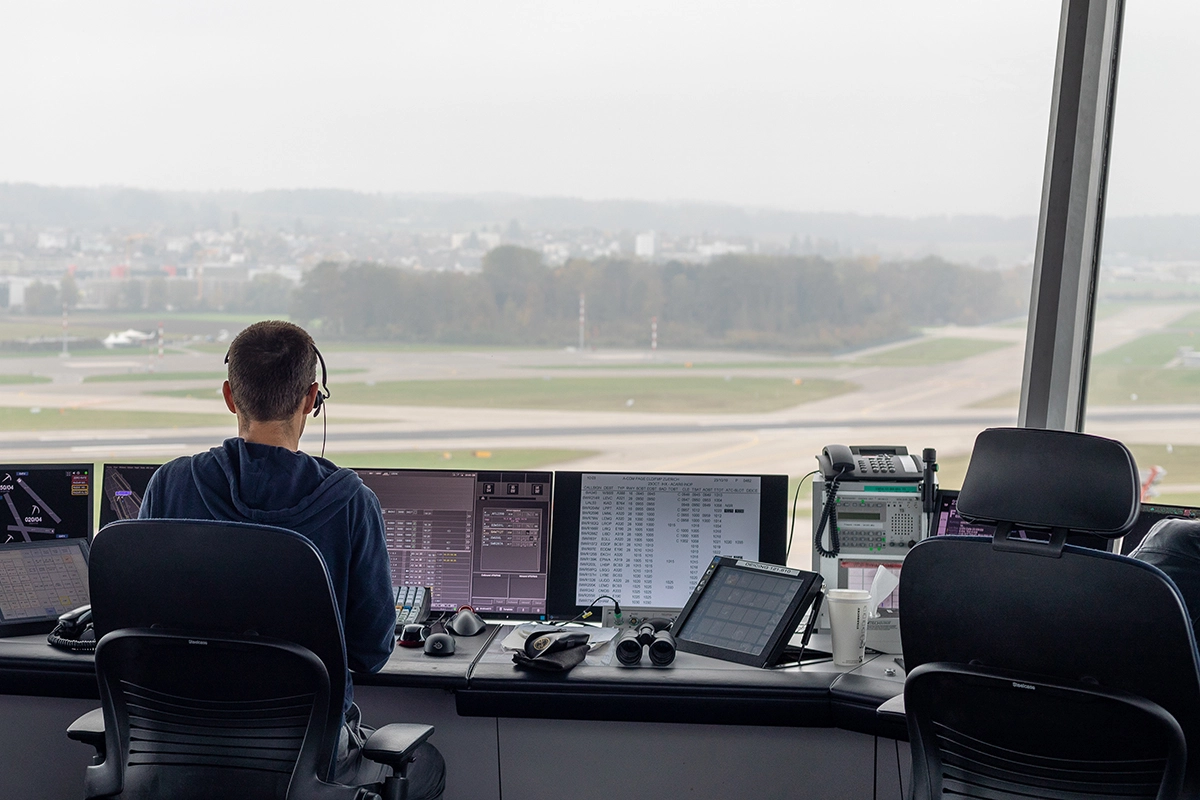
ATC professionals express that high workloads and persistent staff shortages are creating unsustainable pressure. Many units are operating under considerable strain, and controllers are often required to reroute aircraft due to conflict zones and weather-related airspace closures.
They caution that focusing exclusively on punctuality without addressing staffing and training challenges may compromise safety and operational efficiency.
Conclusion
The clash between Ryanair and Europe’s air traffic controllers underscores a widening rift in the aviation sector. While airlines demand efficiency and promptness, controllers emphasize the importance of safety and adequate staffing.
As discussions evolve, it becomes crucial to pursue collaborative reform rather than engage in public disputes.
What are your thoughts on how the airline industry can better address the challenges faced by air traffic controllers?
Similar Posts
KLM Bids Farewell to Its First Boeing 737 After 25 Years of Service
KLM Retires Its First Boeing 737 Amsterdam- KLM has officially initiated…
Delta Employee and Southwest Agent Tangle in Atlanta Boarding Incident
Conflict Between Delta and Southwest at Atlanta Airport Atlanta- A recent…

Cathay Pacific Resumes Hong Kong-Rome Flights in June 2025
Cathay Pacific Airways will restart direct flights from Hong Kong to Rome, beginning June 5, 2025. This seasonal service will operate three times a week, enhancing travel options to Italy’s capital and complementing existing flights to Milan, which will become daily. The new route is strategically timed with the 2025 Year of Jubilee, attracting visitors to Rome. Passengers will travel on modern Airbus A350-900 aircraft, offering various seating options. The airline aims to strengthen its global network, planning to connect six additional cities in 2025 and operate services to 100 destinations worldwide by year-end.
Air France Opens New Lounge at Chicago O’Hare International Airport
Air France has proudly opened its inaugural dedicated lounge at Chicago…

New Video: Delta Plane Crash at Toronto Pearson Ignites
On February 18, 2025, a Delta Air Lines Bombardier CRJ900 crash-landed at Toronto Pearson International Airport, injuring 21 people, including a child. The flight, DL4819, from Minneapolis, faced severe winter weather, including gusts up to 65 km/h and temperatures of -8.6°C. The aircraft landed around 2:30 p.m., igniting on the runway and overturning, prompting a temporary airport closure. The Transportation Safety Board of Canada is investigating, with initial signs of structural damage and potential crosswind issues. This incident marks the most significant aviation accident at the airport since 2005, amid a troubling series of recent aviation incidents.

Airline Monopolies: The Power Players at Europe’s Top Airports
Europe’s aviation landscape is dominated by major airlines at its busiest airports, with significant market shares. The top ten airports highlight this trend, showcasing London Heathrow, Istanbul Airport, and Paris Charles de Gaulle as key hubs. London Heathrow leads with 4.2 million monthly departing seats, primarily controlled by International Airlines Group (IAG) at 55%. Istanbul Airport follows closely with Turkish Airlines holding an 81% share. Airports like Amsterdam Schiphol and Frankfurt also show strong airline dominance, primarily from Air France-KLM and Lufthansa Group. Understanding these dynamics is crucial for travelers and industry stakeholders as air travel evolves in Europe.