American Airlines Faces Challenges Certifying Boeing 787-9P

American Airlines Seeks FAA Approval for Reduced Staffing on Boeing 787-9P
American Airlines (AA) is currently in the process of obtaining certification from the Federal Aviation Administration (FAA) to operate its latest Boeing 787-9P aircraft with a reduced minimum crew of seven flight attendants, down from the standard nine. This significant staffing adjustment is drawing criticism from the Association of Professional Flight Attendants (APFA), which represents approximately 28,000 flight attendants at the airline.
Understanding the Boeing 787-9P
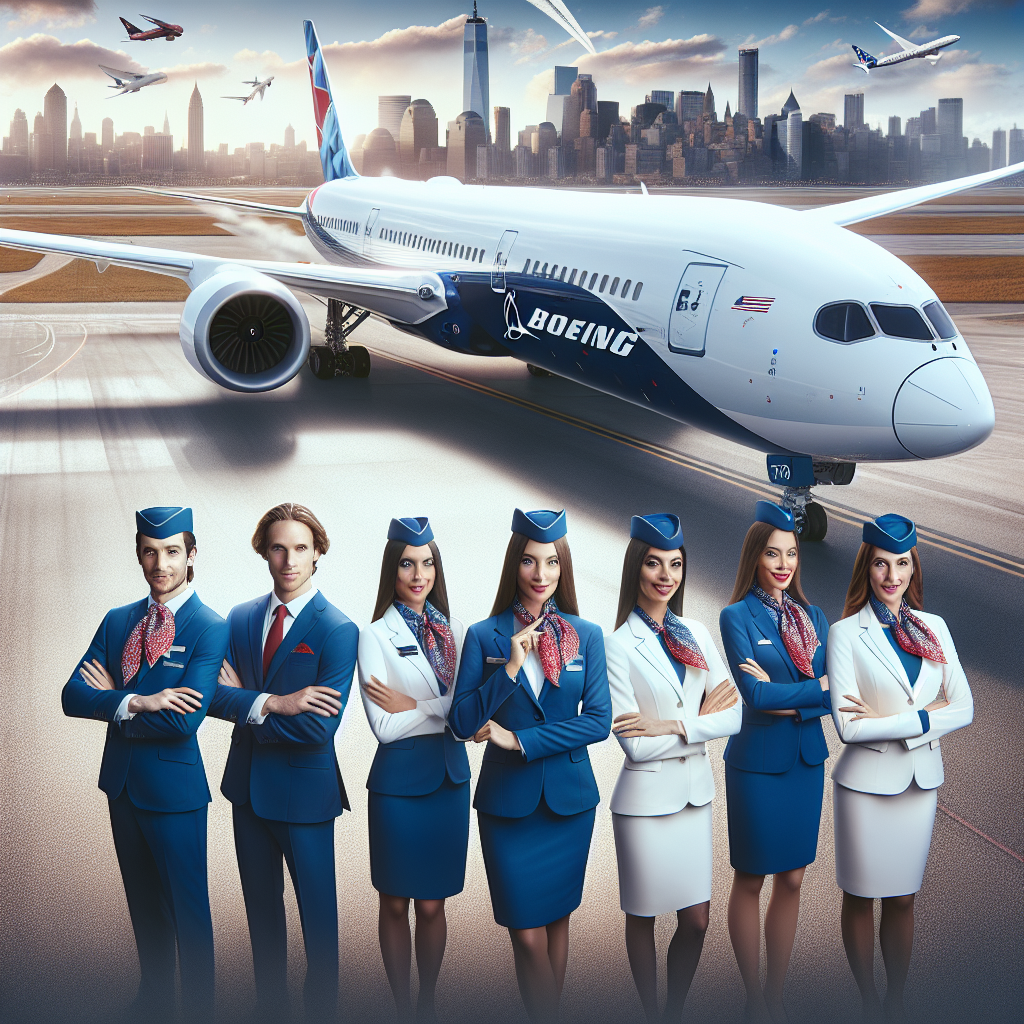
The Boeing 787-9P is American Airlines’ newest premium aircraft, designed to enhance passenger experience with just 244 seats, including 51 luxury business class suites and 32 premium economy seats. This aircraft represents a notable upgrade in premium offerings compared to American’s existing fleet of 787s.
While American intends to operate the 787-9P with nine flight attendants under normal circumstances, the airline is pursuing certification to allow for just seven flight attendants during exceptional situations, such as when a crew member falls ill or is injured. This adjustment aims to reduce the risk of flight cancellations due to staffing shortages.
Concerns from the APFA
The APFA has publicly rejected the proposed reduction in crew requirements, labeling it "unrealistic and unsafe." They argue that seven flight attendants cannot adequately manage the responsibilities required for safety and service, especially with the increased workload stemming from the 51 business class suites. The union emphasizes that under the current configuration, the demands on flight attendants are already high, particularly in an environment where staffing is often stretched thin.
The FAA regulations require that suite doors remain locked during taxi, takeoff, and landing, adding another layer of responsibility for flight attendants. The APFA contends that this new task could compromise the overall safety and service quality on board.
Comparison with Other Airlines
American Airlines’ approach aligns with staffing practices from other airlines operating the Boeing 787 series. For instance, United Airlines (UA) also employs a minimum of seven flight attendants for its 787-8, 787-9, and 787-10 aircraft. However, the APFA argues that this trend represents an unacceptable erosion of flight attendant staffing standards. The union plans to actively participate in the certification process to advocate for its members’ safety concerns.
Expert Insights on Staffing Practices
Ben Schlappig of Onemileatatime (OMAAT) offers a differing perspective, suggesting that the union’s opposition to American’s staffing policy may not be well-founded. He points out that staffing levels are typically negotiated between management and unions, and the current proposal primarily addresses extraordinary situations rather than a permanent reduction in staffing.
Schlappig raises an important question: If United Airlines can operate its larger 787-10 aircraft, which accommodates 318 passengers, safely with seven flight attendants, why does the APFA view American’s proposed staffing as inherently dangerous? He argues that managing additional tasks, such as ensuring suite safety, may not significantly increase the complexity of operations compared to managing more passengers.
Delivery Delays Impacting Fleet Expansion
In addition to staffing changes, American Airlines has faced delays in the delivery of new aircraft. The airline announced on September 22, 2022, its plans to introduce the Flagship Suite® seats featuring privacy doors, intended for its Boeing 787 and Airbus A321XLR models. However, these deliveries have been postponed, with some aircraft now expected in 2025 and 2026.
American Airlines has been at the forefront of introducing long-haul Premium Economy seating in the U.S. since 2016 and is now expanding these options across its fleet. By 2026, the airline aims to enhance its premium seating by over 45%, although there are risks these updates may be delayed until 2028.
Conclusion: The Future of American Airlines’ Staffing and Fleet
As American Airlines navigates these staffing proposals and delivery challenges, the implications for passenger safety and service quality remain a top priority. The discussions surrounding the Boeing 787-9P’s crew requirements and the broader context of aircraft deliveries will continue to shape the airline’s operational strategies.
What are your thoughts on American Airlines’ decision to reduce staffing on the Boeing 787-9P? Share your opinions in the comments below, and explore related articles for more insights on airline industry developments.
For further reading on airline staffing practices, check out this comprehensive study and stay informed about ongoing changes in the aviation sector.