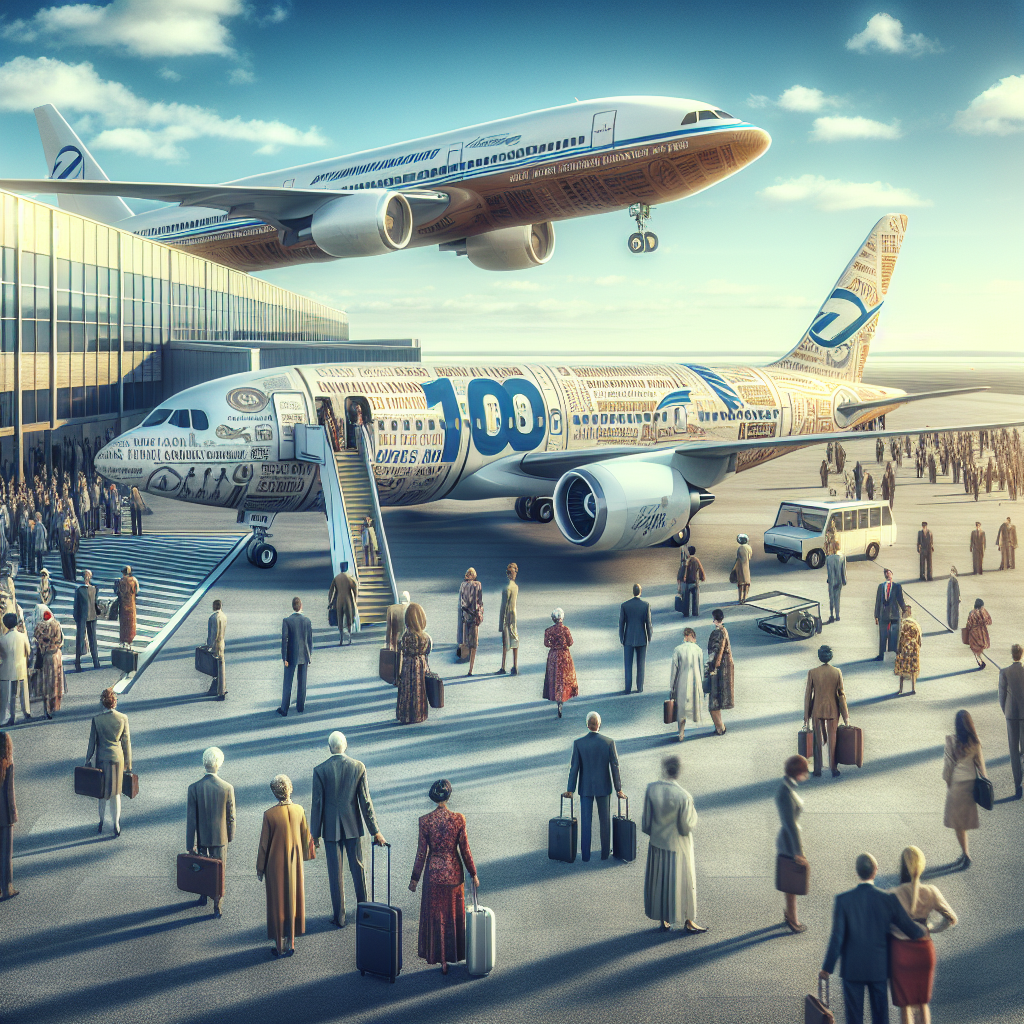
Delta Air Lines: Celebrating 100 Years from Crop Duster to Mega Carrier

Delta Air Lines Celebrates 100 Years of Aviation Excellence in 2025
As Delta Air Lines prepares to celebrate its centenary in March 2025, it stands as one of the few airlines in the world to reach this remarkable milestone. Founded in 1925, Delta has evolved from its modest beginnings as a crop-dusting operation into one of the largest airlines globally, with a fleet of approximately 1,000 aircraft and over 5,000 daily flights serving 290 destinations across six continents. This article delves into Delta’s fascinating journey, highlighting its growth and the strategic mergers that have shaped it into a leading global airline.
The Humble Beginnings of Delta Air Lines
Delta’s origins trace back to Huff Daland Dusters, which launched operations in Macon, Georgia, in 1925. Specializing in aerial crop dusting, the company utilized modified World War I aircraft to protect cotton crops from pests. Under the leadership of Collett Everman Woolman, a visionary who once managed a cotton farm, Huff Daland Dusters laid the groundwork for what would become Delta Air Lines.
- Year of Establishment: 1925
- First Aircraft: Huff Daland Duster Petrel 31
- Initial Focus: Aerial crop dusting
In 1928, Woolman acquired the company, renaming it Delta Air Service to reflect its Southern roots. He quickly expanded operations to include passenger and mail services, marking the airline’s transition from agriculture to commercial aviation.
Key Milestones in Delta’s Evolution
Expansion and Growth (1930-1940s)
Delta began offering passenger flights in 1929, with its first service from Dallas to Jackson, Mississippi. By the 1930s, Delta was recognized for its reliable passenger services, despite facing challenges during the Great Depression. The airline resumed full operations in 1934, eventually establishing its headquarters in Atlanta, Georgia, in 1941.
World War II Contributions
During World War II, Delta played a crucial role in the U.S. military effort, modifying aircraft and training pilots. This involvement not only strengthened its operational capabilities but also solidified its reputation for reliability and safety.
Delta’s Rise to Prominence
The Jet Age and Technological Advancements (1950s-1960s)
The introduction of the Boeing 747 in 1970 marked a significant turning point for Delta, enabling it to expand its services internationally. The 1980s brought further innovations, including the first frequent flyer program, SkyMiles, which remains a cornerstone of Delta’s customer loyalty efforts today.
- First Jet Aircraft: Boeing 747
- Frequent Flyer Program: SkyMiles launched in 1981
Merger and Expansion (2000s onwards)
In 2008, Delta merged with Northwest Airlines, transforming it into a global powerhouse with extensive international and domestic operations. This merger allowed Delta to enhance its service offerings and expand its footprint across the globe, serving over 200 million passengers annually by 2024.
Delta Air Lines Today
As Delta approaches its centennial, it continues to innovate and adapt to the changing aviation landscape. In 2024, the airline posted record revenues of $5 billion, underscoring its resilience and strategic vision for the future. CEO Ed Bastian emphasized the airline’s commitment to delivering premier travel experiences while maintaining operational excellence.
Looking Ahead: Celebrating a Century of Service
In celebration of its 100th anniversary, Delta will introduce two specially painted Airbus aircraft with commemorative liveries, symbolizing its remarkable journey from crop dusting to carrying passengers worldwide. With a fleet now comprising 990 mainline jet aircraft, Delta is poised for another century of success in the aviation industry.
Conclusion
Delta Air Lines’ story is one of innovation, resilience, and growth, reflecting the broader evolution of commercial aviation over the past century. From its early days in crop dusting to its current status as a leading global airline, Delta has continually adapted to meet the needs of travelers. As we look forward to 2025, Delta invites you to join in celebrating its storied past and promising future.
Get Involved: What are your thoughts on Delta’s journey over the last 100 years? Share your experiences and check out related articles that explore the evolution of the airline industry.