Delhi ATC Rebukes American Airlines Pilot During Taxi

American Airlines Pilot Faces ATC Criticism Over Taxi Speed at Delhi Airport
DELHI – A recent incident at Indira Gandhi International Airport (DEL) has brought attention to the critical balance between operational efficiency and flight safety. An American Airlines (AA) pilot, Captain Steeeve, known for his YouTube presence, was reprimanded by Delhi Air Traffic Control (ATC) for taxiing at a speed of just 12 knots while operating a Boeing 777 at maximum gross weight. This confrontation highlights the unique taxi speed regulations at one of the world’s busiest airports.
American Airlines Pilot Reprimanded for Slow Taxiing
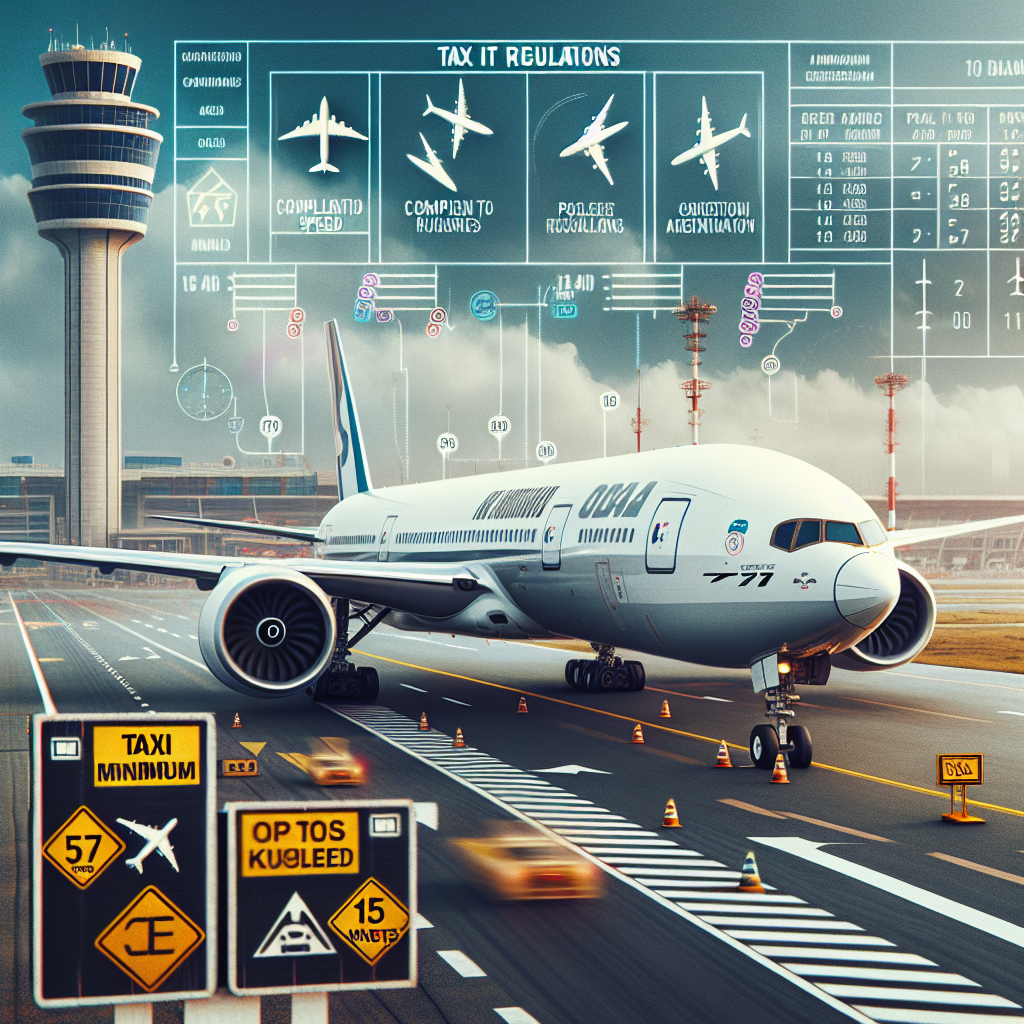
At Delhi Airport (DEL), the ATC’s criticism centered on the pilot’s decision to taxi slowly. The minimum required taxi speed on straight portions of taxiways is set at 15 knots, with lower speeds of 8-12 knots permitted during turns. When the captain expressed safety concerns about increasing speed due to the aircraft’s weight, the situation escalated. The ATC then directed the aircraft to a "penalty box," a holding area that significantly delayed the flight’s departure.
Captain Steeeve later reflected on the incident, noting that Delhi is one of the few airports with minimum taxiing speed requirements rather than maximum speeds. He emphasized that safety must always come first, stating, "I got scolded by a controller for taxiing too slow. I was at max gross weight, and I told him NO."
Understanding Delhi Airport’s Taxi Speed Regulations
Delhi Airport (DEL) has specific taxi speed requirements that differ from those of many airports worldwide. Here are key points regarding these regulations:
- Minimum Speeds: 15 knots on straight taxiways and 8-12 knots during turns.
- Global Difference: Most airports impose maximum speed limits, while Delhi focuses on minimum speeds to maintain orderly traffic flow.
Factors Influencing Taxi Speeds
Several factors affect taxi speeds at airports, including:
- Aircraft Type: Larger aircraft like the Boeing 777 generally require slower speeds for safety during turns and on straightaways.
- Aircraft Weight: Heavier aircraft necessitate greater caution, with more gradual acceleration, longer stopping distances, and lower speeds during turns.
- Airport Layout: Narrow taxiways and complex intersections often require reduced speeds for safety.
- Weather Conditions: Rain, snow, and other adverse weather can significantly impact taxi operations, requiring pilots to adjust speeds accordingly.
- Traffic Density: Congestion levels at the airport influence practical taxi speeds, especially during peak hours.
Pilot Authority Over Aircraft Operations
In aviation, the pilot-in-command has the ultimate authority over the aircraft’s operation. While ATC provides essential instructions for efficient traffic management, pilots must prioritize safety, particularly when faced with conflicting demands. This incident at Delhi Airport (DEL) underscores the ongoing challenge of balancing operational efficiency with the need for safety in busy airspaces.
For further insights into aviation regulations and safety practices, consider exploring related articles on pilot authority and airport operations. Share your thoughts on this incident and how safety should be prioritized in aviation operations!