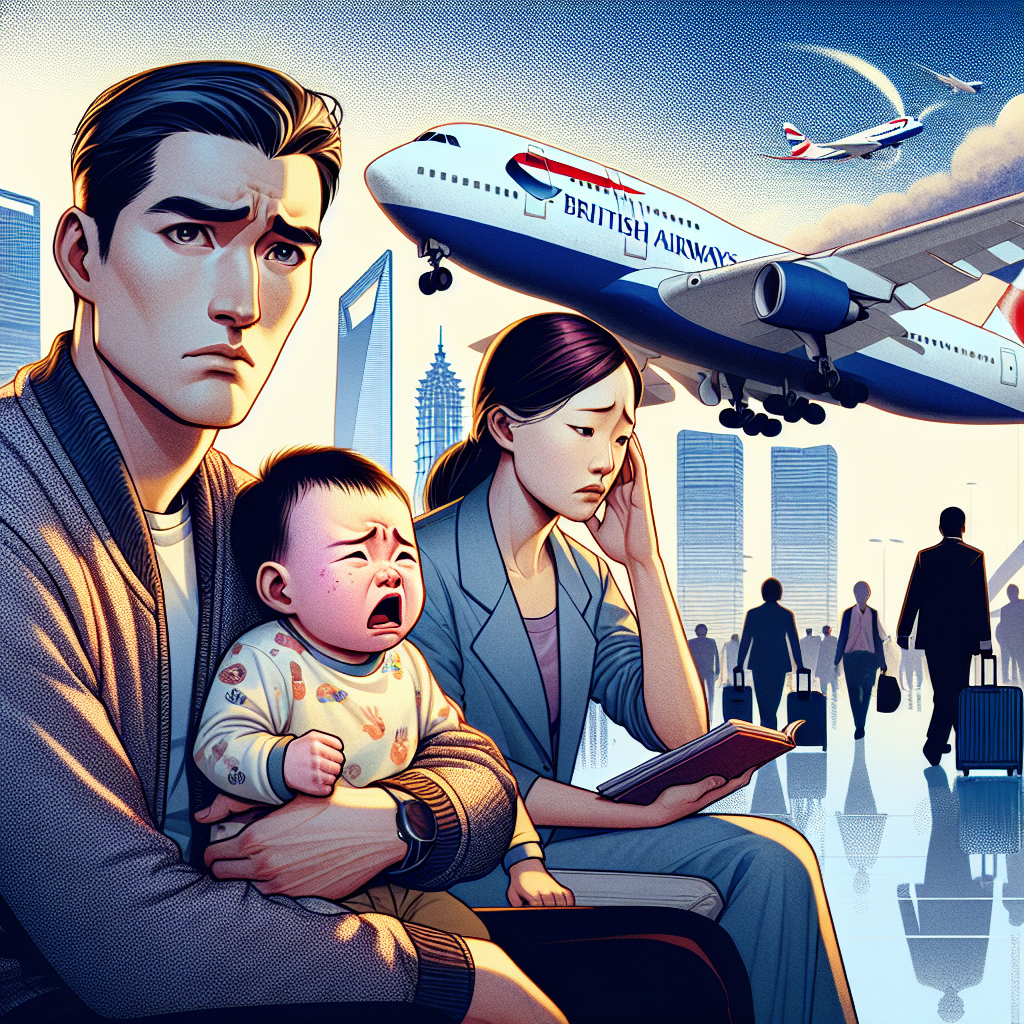
British Airways Kicks Family Off Flight Due to Baby’s Rash

Family Removed from British Airways Flight Due to Baby’s Rash: A Controversial Safety Protocol
A recent incident at Shanghai Pudong International Airport (PVG) has ignited a heated debate over airline safety protocols after a family was removed from a British Airways (BA) flight due to their baby’s insect bite rash. The situation highlights the delicate balance between ensuring passenger safety and upholding passenger rights, raising questions about how airlines handle health-related concerns.
The affected family, Arthur and Xun Sun, are now seeking a refund for their £3,000 tickets, claiming unfair treatment by the airline. British Airways, however, stands firm in its decision, citing safety as a top priority.
British Airways Removes Family from Flight
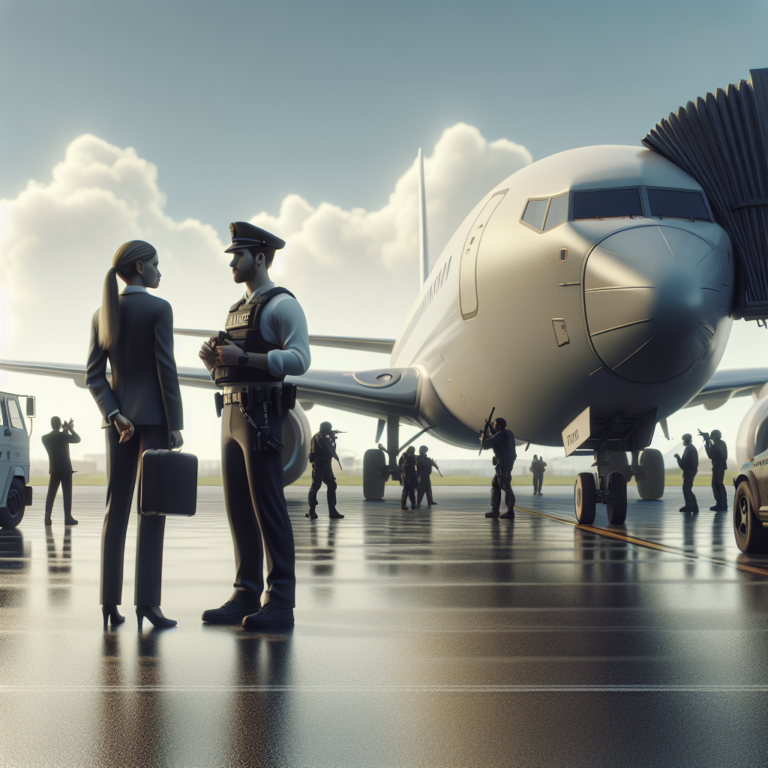
On May 1, Arthur (34), Xun Sun (35), and their one-year-old son Joseph were preparing to board a British Airways flight from Shanghai to London for a family wedding. Just minutes before takeoff, airline staff observed red marks on Joseph’s skin, which were later confirmed to be insect bites, possibly from their hotel.
The family explained that the rash was minor and resulted from insect bites and diaper irritation. They also disclosed Joseph’s mild peanut allergy during the check-in process. Following the airline’s protocol, they consulted airport medical staff, who advised applying ointment and waiting 10 minutes for a follow-up.
Despite the rash subsiding, British Airways escalated the matter by contacting a 24/7 medical advice hotline. The hotline doctor, unable to assess the situation remotely, recommended obtaining a "fit to fly" certificate from a local doctor. Consequently, the family was denied boarding, and their luggage was removed from the flight.
Feeling humiliated, Arthur and Xun quickly purchased tickets with another airline to make it to the wedding and are now pursuing a refund for their original tickets.
Response from British Airways
In response to the incident, British Airways emphasized that the health and safety of its passengers is of utmost importance. A spokesperson stated, “We take the safety and well-being of our customers very seriously and do everything we can to support them when issues like this arise.”
The airline’s protocols include consulting third-party medical experts to assess passengers’ fitness to fly. However, the family felt unjustly treated, with Arthur expressing frustration over the reliance on a remote advisor who could make decisions without seeing their child in person.
After the incident, they consulted a local doctor who confirmed that the rash was indeed due to insect bites and issued a fit to fly certificate along with antihistamines. To avoid further complications, the family opted to buy new tickets with another airline on the same day.
Understanding Medical Clearance Policies
Long-haul flights, such as the approximately 14-hour journey from Shanghai to London, present unique challenges when it comes to in-flight medical emergencies. Airlines often depend on third-party medical advisory systems to evaluate health concerns that could impact passengers during the flight.
Crew and ground staff are trained to follow strict protocols and avoid making independent health decisions. In Joseph’s case, the inability of the hotline doctor to provide clearance forced British Airways to follow its policy, despite the family’s understandable frustration.
While the family’s experience raises valid concerns, it is crucial for airlines to prioritize the health and safety of all passengers on board.
Share Your Thoughts
What are your views on airline health protocols? Should airlines be more flexible in their decisions regarding passenger health? Share your thoughts in the comments below or explore related articles to learn more about airline policies and passenger rights.
For further reading on airline safety measures, visit British Airways’ official safety protocols or check out this article on airline passenger rights.