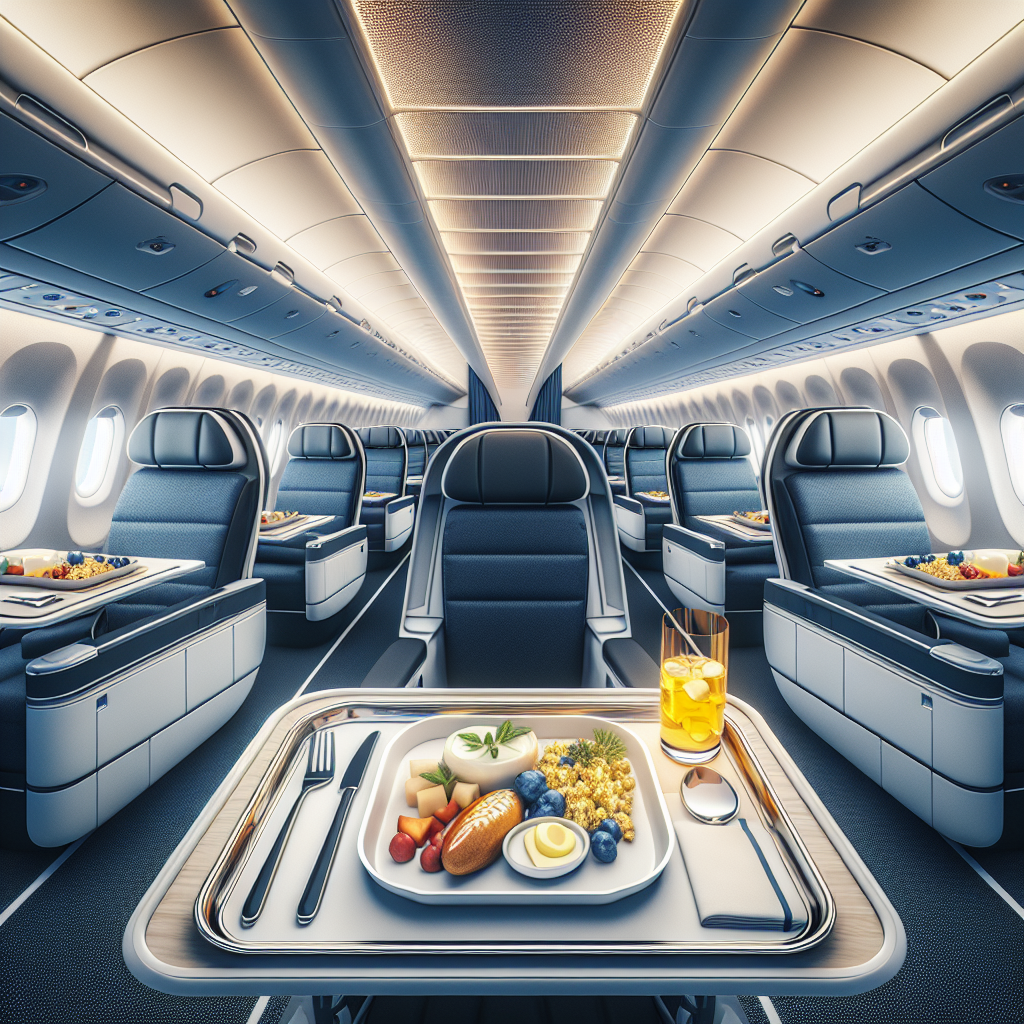
American Airlines Might Ditch Bread and Butter on Long Flights

American Airlines May Eliminate Bread and Butter on Long-Haul Flights: A Look at the Changes Ahead
American Airlines (AA) is considering a significant change to its in-flight meal service on long-haul flights, potentially eliminating bread and butter from its offerings. This decision comes as the airline prepares for the launch of its new Airbus A321XLR aircraft, which is designed for long-range travel. Currently, AA is trialing this adjustment on select wide-body flights from Boston (BOS), Charlotte (CLT), and Raleigh (RDU) to London Heathrow (LHR).
As travelers anticipate new experiences aboard the Airbus A321XLR, the airline cites limited galley space as the primary reason for this potential change. With the trial phase in progress, passenger feedback will be crucial in determining whether bread and butter will become a thing of the past on these routes.
American Airlines and the A321XLR: A New Era in Long-Haul Travel
American Airlines has placed an order for 50 Airbus A321XLR aircraft, which are expected to enter service in the coming year. These innovative, long-range, single-aisle jets present exciting market opportunities but also introduce operational challenges, particularly concerning in-flight services.
- What is the A321XLR?
- A narrow-body jet optimized for transatlantic and other extended routes.
- Designed to operate efficiently on long-haul flights with fewer passengers.
Due to the constraints of the A321XLR’s galley space, American Airlines is reevaluating its meal service logistics. This includes the possible removal of bread and butter from both economy and premium economy cabins.
Trial Implementation on Long-Haul Routes
To assess customer reactions, American Airlines is currently testing this change on comparable long-haul routes using its existing wide-body aircraft. Flights from Boston (BOS), Charlotte (CLT), and Raleigh (RDU) to London Heathrow (LHR) are part of this trial.
Passenger feedback will play a critical role in American’s decision-making process. The airline will evaluate survey responses and overall passenger satisfaction before deciding whether to implement this change fleetwide.
The Importance of Passenger Feedback
American Airlines places significant emphasis on passenger surveys to shape its in-flight offerings. By monitoring net promoter scores (NPS) and customer feedback, the airline aims to make informed choices that prioritize passenger satisfaction.
- Key Points on Passenger Feedback:
- Surveys help gauge customer reactions to service changes.
- Strong dissatisfaction may lead to reconsideration of the change.
- Feedback significantly influences future in-flight offerings.
While the limited galley space is a valid concern, AA recognizes that maintaining high customer satisfaction is critical, especially in premium cabins where expectations are elevated. If survey responses indicate that passengers are unhappy with the potential removal of bread and butter, the airline may adjust its plans to minimize the impact on the customer experience.
Conclusion: Balancing Innovation and Service Quality
The decision to test the removal of bread and butter from American Airlines’ long-haul flight offerings is driven by the constraints of the new Airbus A321XLR aircraft, rather than a mere cost-cutting measure. This development highlights the delicate balance airlines must strike between adopting new aircraft technologies and maintaining service quality for passengers.
As American Airlines continues to adapt to the evolving demands of air travel, passenger feedback will remain a vital component in shaping the future of in-flight services.
What are your thoughts on this potential change? Share your opinions in the comments or check out our related articles on in-flight dining experiences and airline innovations.
For more information on the Airbus A321XLR and its impact on the airline industry, visit Airbus and American Airlines.