Virgin Atlantic Flight from Miami to London Makes Emergency Landing

Virgin Atlantic Flight Emergency: Details on Recent In-Flight Medical Incidents
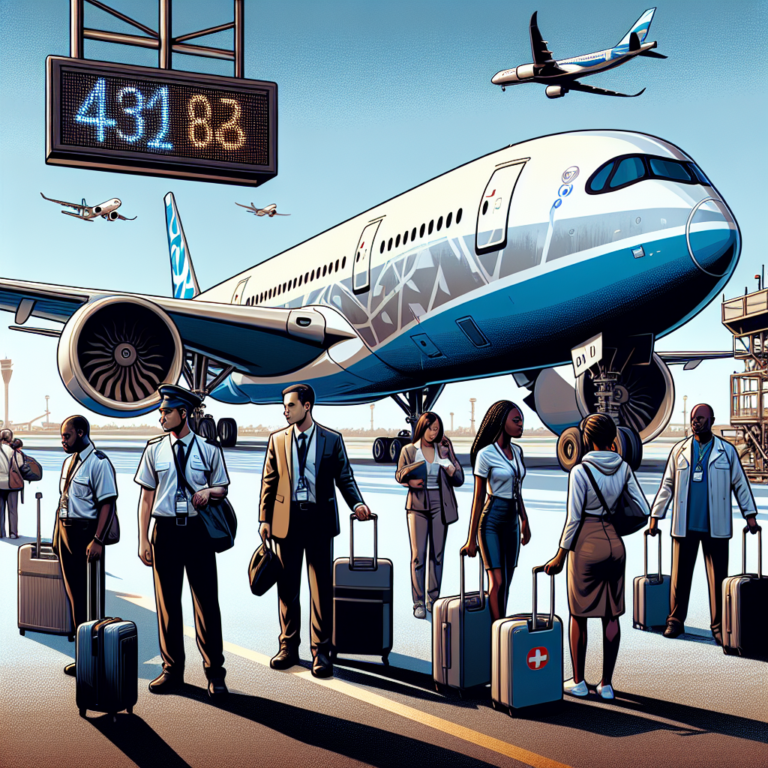
A recent incident involving a Virgin Atlantic (VS) flight has raised concerns about in-flight medical emergencies. On May 24, Virgin Atlantic Flight VS118, traveling from Miami (MIA) to London Heathrow (LHR), made an emergency landing in Canada (YQX) after a passenger suffered a cardiac arrest mid-flight. This alarming situation underscores the importance of safety protocols and medical preparedness in the airline industry.
Virgin Atlantic Emergency Landing in Canada
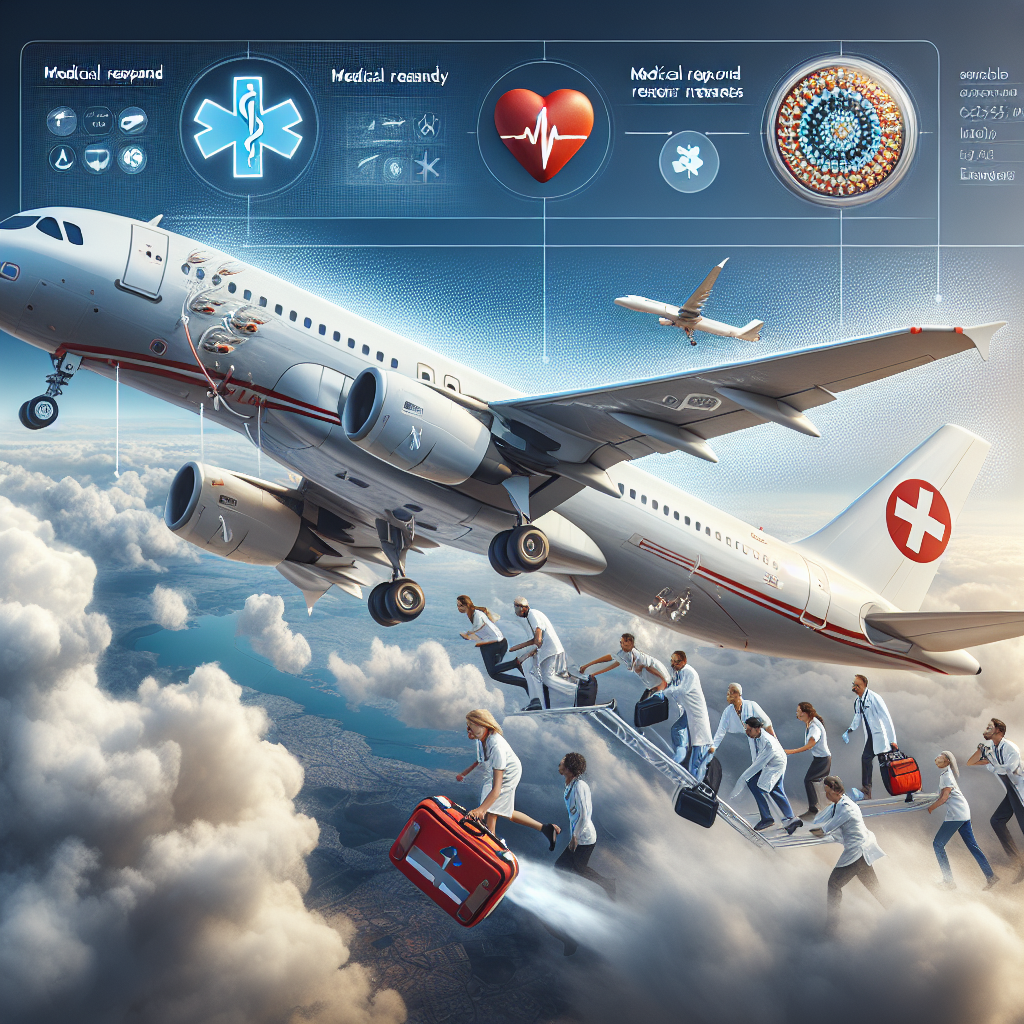
Virgin Atlantic Flight VS118 was cruising at 38,000 feet over the North Atlantic when a male passenger experienced a cardiac arrest. The cabin crew swiftly declared a medical emergency and utilized a defibrillator, administering CPR for 30 minutes. Their prompt actions ensured the aircraft diverted to Gander International Airport (YQX) in Canada, where emergency medical services were ready upon arrival. Fortunately, the passenger was successfully revived, showcasing the effectiveness of the crew’s training.
After a brief refueling stop, Flight VS118 resumed its journey, ultimately landing at London Heathrow (LHR) at 2:52 p.m. local time. A spokesperson for Virgin Atlantic confirmed the diversion and reiterated the airline’s commitment to the safety and well-being of its passengers and crew. The flight was operated by a Boeing 787-9 Dreamliner, registered as G-VDIA.
Previous Incident Highlights Operational Challenges
This incident is not isolated. On April 3, 2025, another Virgin Atlantic flight, VS358, from London (LHR) to Mumbai (BOM), was forced to land at Diyarbakir Airport (DIY) in Turkey due to a passenger experiencing a severe panic attack. The aircraft faced additional complications during landing, leaving over 200 passengers stranded at a remote military facility with limited civilian amenities.
Passengers reported being stuck for over 16 hours with minimal information and inadequate facilities. Under international aviation agreements like the Montreal Convention, airlines must provide basic necessities during prolonged disruptions. However, compliance can be challenging when diversions occur at non-standard airports. Reports indicated that communication from Virgin Atlantic during this incident was lacking, leading to frustration among passengers. Maharashtra Chief Minister Devendra Fadnavis assured support, while India’s Ministry of Civil Aviation appointed a nodal officer to coordinate assistance.
Conclusion
Both incidents involving Virgin Atlantic flights highlight the complexities and challenges airlines face during in-flight medical emergencies, particularly at remote or underserved airports. As travel disruptions continue to affect passengers, it is crucial for airlines to enhance their operational protocols and communication strategies to ensure the safety and comfort of their customers.
If you have thoughts on these incidents or other airline experiences, feel free to share in the comments below. For more news on airline safety and travel, check out our related articles.
For further reading, visit Virgin Atlantic’s official site or explore aviation safety protocols on Aviation Safety Network.