Qantas Crew Injured, Including One With Broken Ankle, in Turbulence

Severe Turbulence Incident on Qantas Flight Highlights Critical Safety Gaps
On May 4, 2024, a Qantas (QF) Boeing 737 flying from Sydney (SYD) to Brisbane (BNE) faced unexpected severe turbulence, resulting in injuries to three cabin crew members and exposing significant communication failures between flight and cabin crews. This incident raises urgent questions about airline safety protocols and crew preparedness in turbulent conditions.
The turbulence struck as the aircraft descended through cloud cover at approximately 11,400 feet, just one minute after the pilots activated the seatbelt signs. The anticipated mild turbulence escalated unexpectedly, catching the cabin crew off guard during their pre-landing duties.
Qantas Flight Turbulence Incident: What Happened?
According to a report by the Australian Transport Safety Bureau (ATSB), the pilots failed to effectively communicate their expectations regarding the anticipated turbulence to the cabin crew. As a result, three of the four cabin crew members sustained injuries when the turbulence hit while they were performing standard procedures, such as checking lavatory occupancy and ensuring passenger compliance with safety protocols.
- Injuries Reported:
- Two crew members suffered minor injuries including facial trauma and concussion.
- One crew member experienced a fractured ankle, rendering her immobile in the rear galley during the incident.
This situation raises serious concerns about the safety measures in place for cabin crew during turbulent conditions.
Dangerous Landing Configuration: Unrestrained Personnel
Despite instructions from the captain for all personnel to be seated, four individuals—including two cabin crew members and two passengers—remained unrestrained during the landing approach. This included a customer service manager and an off-duty cabin crew member who stayed with the seriously injured crew member in the galley.
The captain’s assumption that the cabin was secured for landing contributed to a potentially dangerous situation. According to Qantas procedures, the customer service manager is responsible for notifying the flight crew when the cabin cannot be secured; however, this communication breakdown exacerbated the risk during landing.
Communication Breakdown: A Critical Safety Concern
ATSB Director Transport Safety Dr. Stuart Godley highlighted the risks posed by having unrestrained individuals during landing. The investigation revealed that differing understandings of cabin status between flight and cabin crews increased the likelihood of delayed responses and misaligned decision-making.
Notably, the captain reported no recollection of receiving any requests for additional preparation time before landing, further complicating the situation.
Medical Assessment Failure: Gaps in Crew Health Management
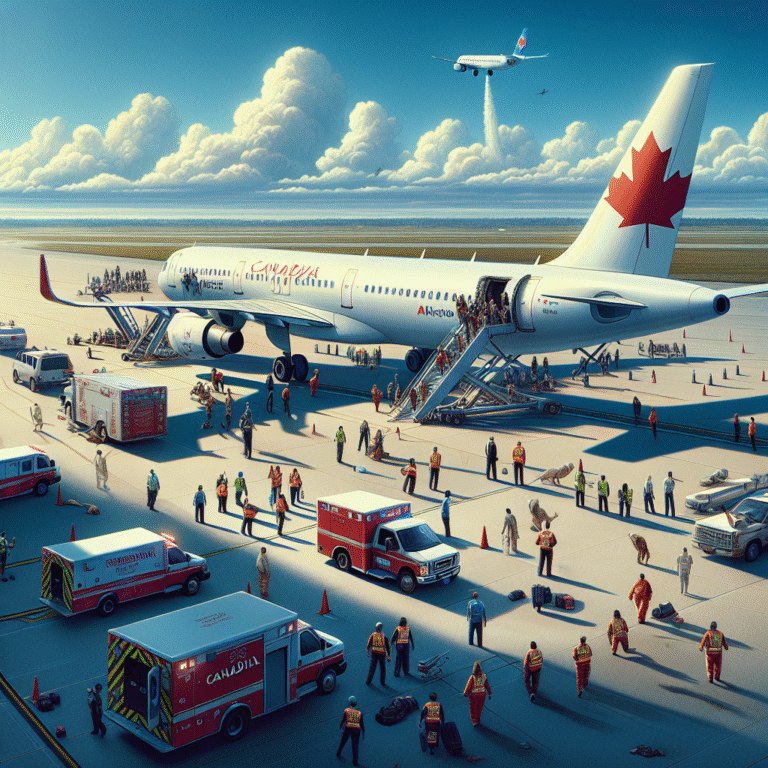
Post-incident medical assessments revealed significant procedural gaps in the management of crew health. While ambulance personnel attended to the seriously injured crew member in Brisbane, the other two injured crew members did not receive immediate medical evaluation or treatment.
- One crew member self-diagnosed facial injuries the next day.
- Another continued to operate flights while experiencing unrecognized concussion symptoms, remaining unaware of the diagnosis until days later.
Operational Changes: Qantas Responds to the Incident
In response to this incident, Qantas has updated its protocols to ensure immediate consultation with on-call doctors following significant injuries or illness among cabin crew. New controls now require fitness assessments for crew members after turbulence events or unplanned aircraft movements, ensuring that medical professionals evaluate crew fitness before allowing a return to duty.
Industry-Wide Safety: The Need for Enhanced Protocols
Statistics indicate that cabin crew members account for nearly 80% of serious turbulence-related injuries in airline operations, primarily occurring during cabin preparation for landing. This highlights the urgent need for improved communication protocols between flight and cabin crews.
The investigation underscores the importance of continuous communication throughout flights, especially during high-stress operational phases.
In conclusion, the severe turbulence incident on Qantas Flight serves as a critical reminder of the importance of effective communication and safety measures in the aviation industry.
Share Your Thoughts
What are your thoughts on this incident and its implications for airline safety? Feel free to leave a comment below or explore related articles on aviation safety and protocols.
For further information, you can read the full ATSB report here and learn more about Qantas’ safety measures on their official website.