FAA Raises Alarm Over Key RAT Concern in Some Boeing 787 Dreamliners

Recent Concerns from the FAA – The Federal Aviation Administration (FAA) has raised concerns regarding potentially defective components on a limited number of Boeing 787 Dreamliners. This issue was highlighted in a proposed rulemaking notice dated July 28, 2025.
The focus is on ram air turbine (RAT) fittings on nine Boeing 787-9 and 787-10 aircraft, which may have been made from inferior titanium materials.
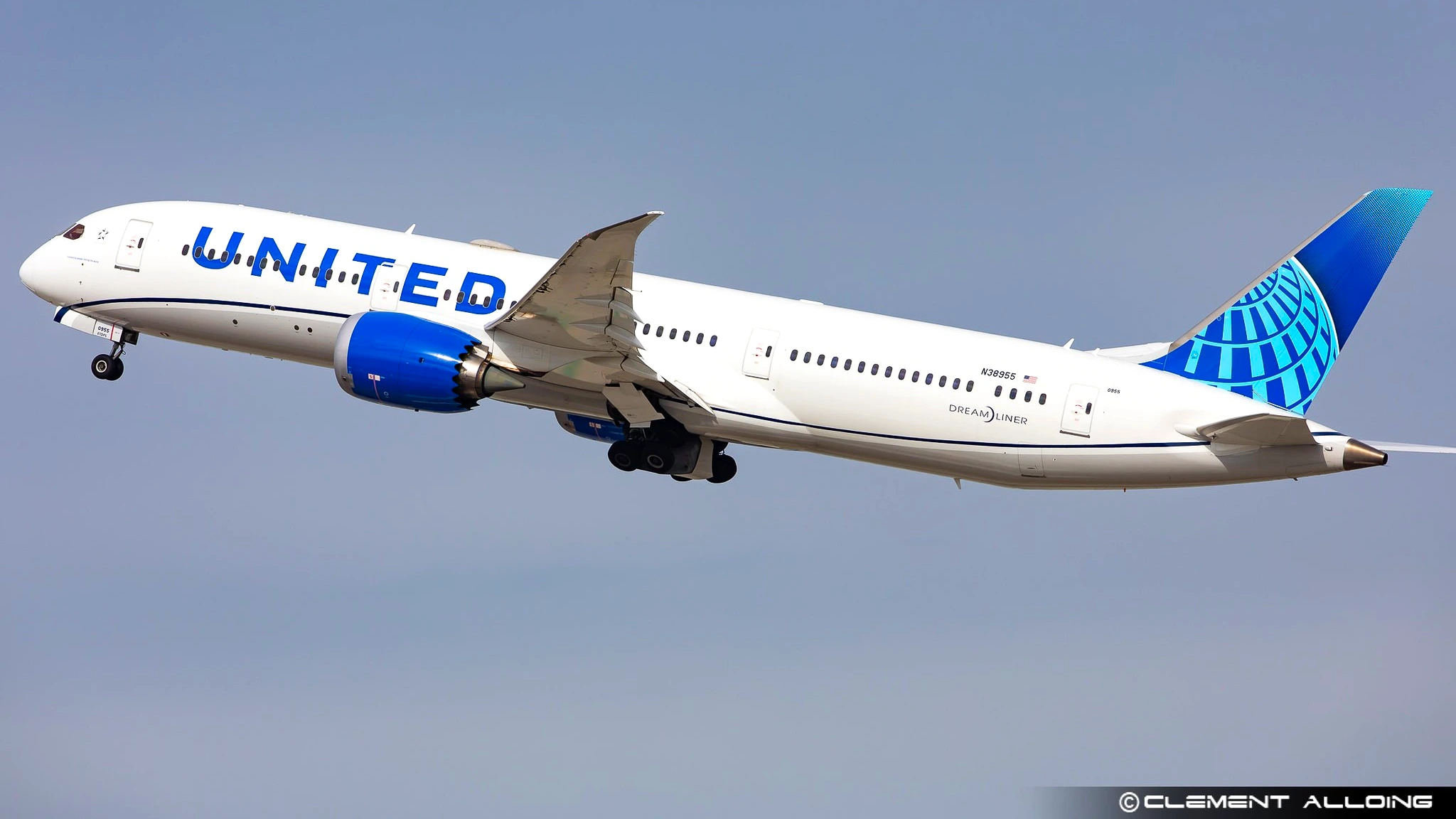
Boeing 787 RAT Issue
The concern centers on the realization that some RAT fittings may have been produced using unlicensed titanium. These components are crucial for generating emergency electrical power if the main systems fail.
Instead of using the required aerospace-grade Grade 5 Ti-6Al-4V alloy, some fittings were made from commercially pure titanium grades, which do not provide the necessary strength and fatigue resistance.
The FAA has indicated that such discrepancies might lead to failures when deploying the RAT. If this occurs, it could jeopardize the backup electricity supply or even lead to the RAT breaking free mid-flight.
The implications for air travel safety could be severe, even as the number of affected aircraft remains limited.
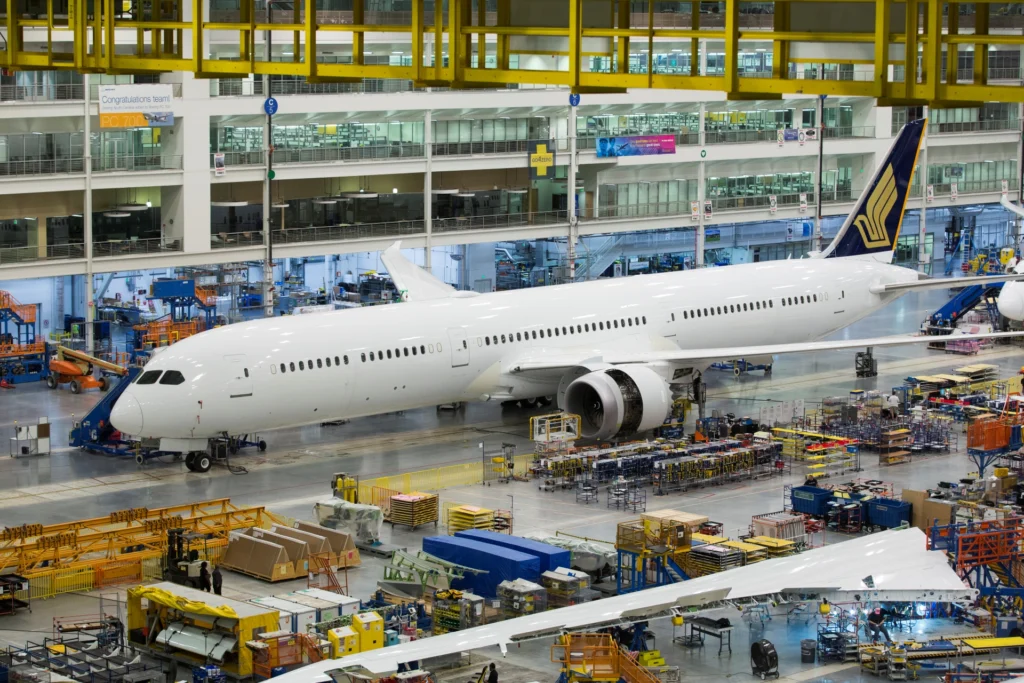
A Supply Chain Red Flag
The questionable titanium is thought to have been sourced from China. Reports indicate it was supplied by Spirit AeroSystems, a crucial supplier for both Boeing and Airbus. This situation recalls incidents from 2024 when global titanium shortages, prompted by Western sanctions on Russia, led manufacturers to explore alternative sources.
It has been noted that some manufacturers resorted to unverified suppliers. Such decisions may inadvertently have led to the inclusion of compromised materials in key aircraft components.
While the issue currently affects a small number of aircraft, the FAA’s proposed rule highlights multiple alerts from suppliers, suggesting a potential systemic issue within the industry.
The pathway of the faulty titanium through the supply chain is still unclear, raising questions regarding the manufacturing and tracking of aircraft parts.
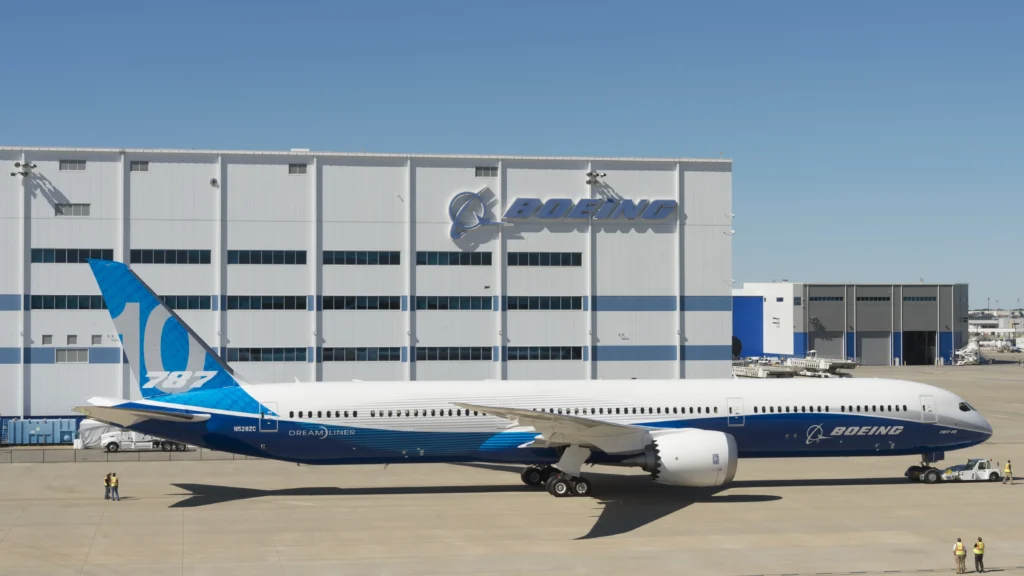
Response from Boeing and Suppliers
The impacted 787s were assembled in Boeing’s North Charleston, South Carolina facility. In reaction to early warnings, Boeing issued an Alert Requirements Bulletin in February 2025, advising airlines to inspect RAT fittings using nondestructive testing methods.
Airlines were encouraged to implement techniques such as high-frequency eddy current analysis and X-ray fluorescence spectroscopy. Collins Aerospace, the manufacturer responsible for the RAT units, reportedly incurred a $175 million loss in 2024 due to changes in titanium suppliers.
However, both Collins and Boeing have remained silent regarding the FAA’s recent notification. This raises serious concerns about the thoroughness of material sourcing and quality assurance practices.
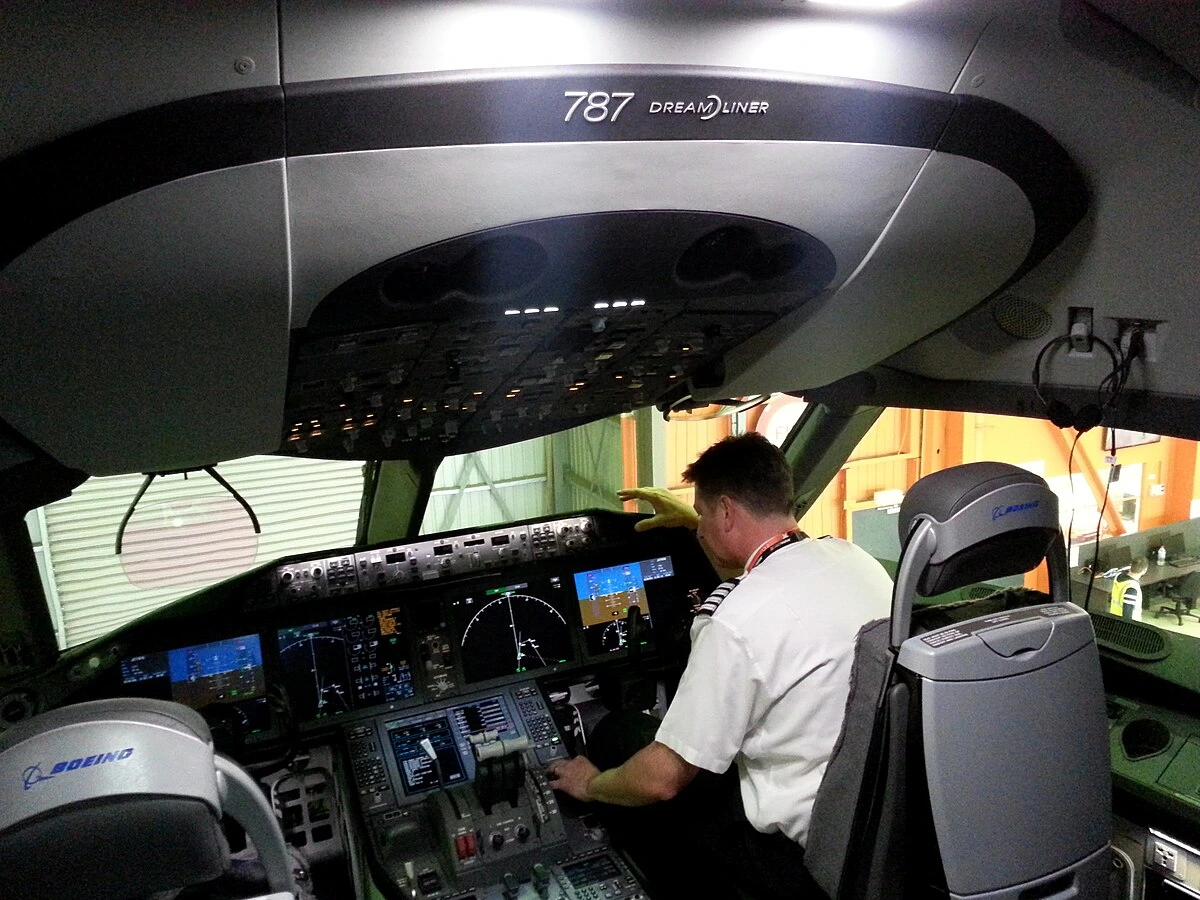
Implications for Safety and Operations
Although the issue affects only a few aircraft, the implications extend far beyond. The RAT serves as a critical backup for electrical power during emergencies. Any compromise in its reliability — however small — poses a serious safety risk.
Airlines operating the affected Boeing 787-9 and 787-10 planes may experience short-term schedule interruptions. It’s essential for airlines to conduct inspections and consider potential part replacements if necessary.
Additionally, regulatory bodies will likely delve deeper into the reliance on alternative titanium sources across the aviation industry.
This comes at a time when Boeing is facing multiple production and quality assurance challenges across its range of commercial aircraft. The 787 model, in particular, has garnered close scrutiny due to previous delivery delays and quality issues.
Next Steps for Boeing
The FAA’s proposed regulations are set to go through public review before finalization. Following this, immediate inspections of the RAT fittings on the nine affected aircraft will be necessary. Airlines and maintenance personnel are urged to prepare, especially with the busy winter travel season approaching.
Moreover, the situation emphasizes a critical issue regarding supply chain integrity in the aerospace industry. As air travel grows, raw material constraints and geopolitical tensions will rise, complicating quality control measures. This heightened pressure underscores the need for stringent practices to prevent similar safety lapses in the future.
As investigations continue and the FAA finalizes its guidelines, more information may surface regarding the nature of these material breaches. It’s vital to examine what steps manufacturers will take to prevent such occurrences in the future.