Air India Boosts Maintenance with Singapore Airlines’ Expertise Post-787 Crash

GURUGRAM- Air India (AI) is rethinking its aircraft maintenance approach by collaborating with Singapore Airlines (SQ) to boost its internal capabilities.
This strategic shift follows a tragic incident with flight AI 171 in Ahmedabad (AMD), which spurred an industry-wide safety audit.
With Singapore Airlines owning a 25.1% stake, Air India plans to internalize crucial Maintenance, Repair, and Overhaul (MRO) services, which are currently managed by the state-run AI Engineering Services Ltd. (AIESL). This decision aims to enhance fleet reliability and safety standards.
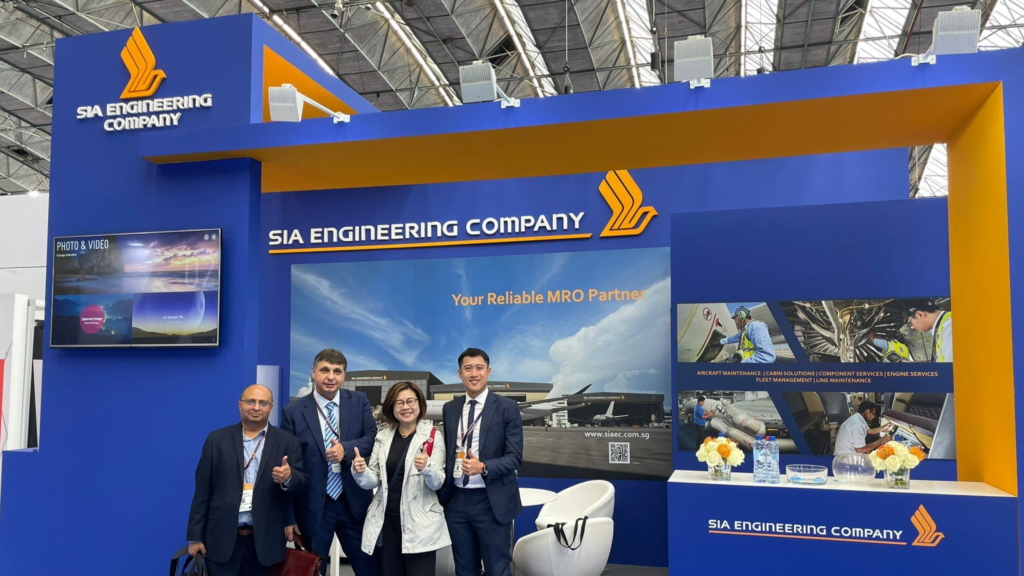
Air India Singapore Airlines Maintenance
Air India is embarking on a gradual shift to manage pre-flight checks, minor repairs, and regular aircraft inspections internally.
These tasks were once outsourced to AIESL, a legacy service provider from Air India’s pre-privatization phase.
As reported by Bloomberg, this transition fits within Tata Group’s comprehensive restructuring efforts since Air India was acquired in 2022.
The urgency of the initiative intensified following the fatal crash of AI 171 in June, which claimed 241 lives. While the investigation into the incident is still ongoing, it highlighted deficiencies in operational management and prompted a thorough safety audit by the Directorate General of Civil Aviation (DGCA).
The audit uncovered 93 safety-related shortcomings within Air India, the highest among Indian airlines. Comparatively, IndiGo (6E) and SpiceJet (SG) reported just 23 and 14 issues, respectively.
This audit’s findings brought to light existing concerns regarding AIESL’s service quality, including reports of inadequate aircraft cleanliness and maintenance issues.
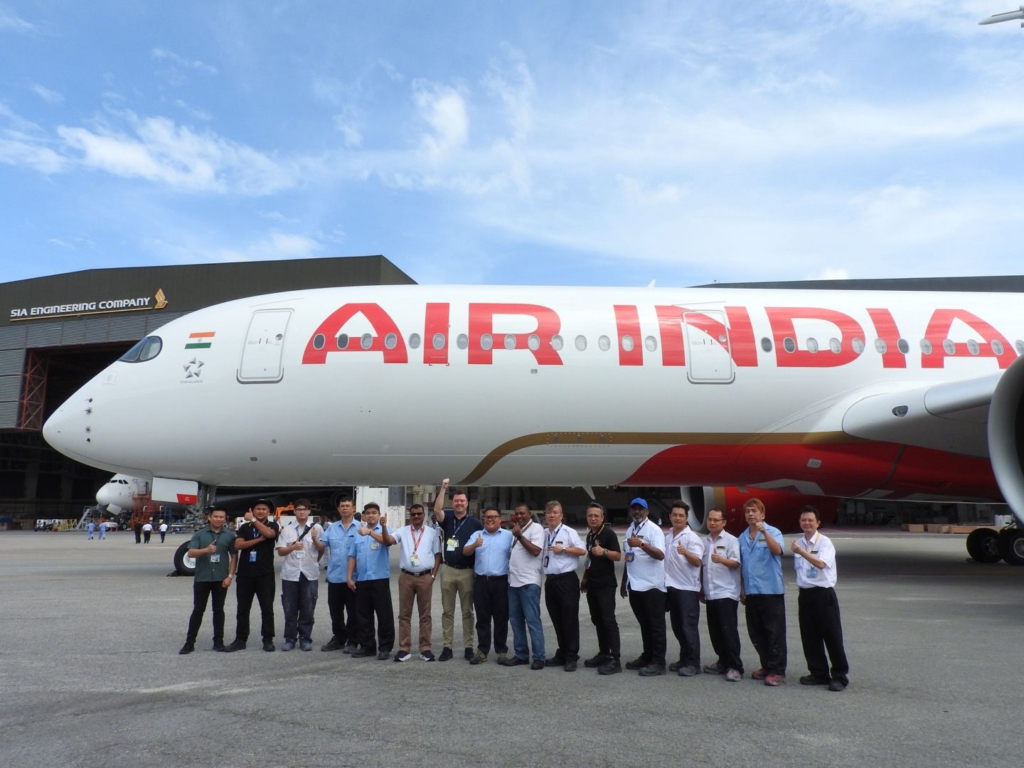
Role of Singapore Airlines
Singapore Airlines (SQ), holding a significant minority stake, is providing vital expertise to assist in this transition.
This partnership flips the script; Air India once aided SIA during its formative years, and now the latter’s advanced maintenance practices are expected to enhance Air India’s capabilities.
An SIA representative confirmed their active involvement in supporting Air India’s transformation, particularly in areas demanding technical expertise.
As Air India eyes long-term operational independence, SIA’s role is crucial for ensuring effective knowledge transfer and maintaining high operational standards.
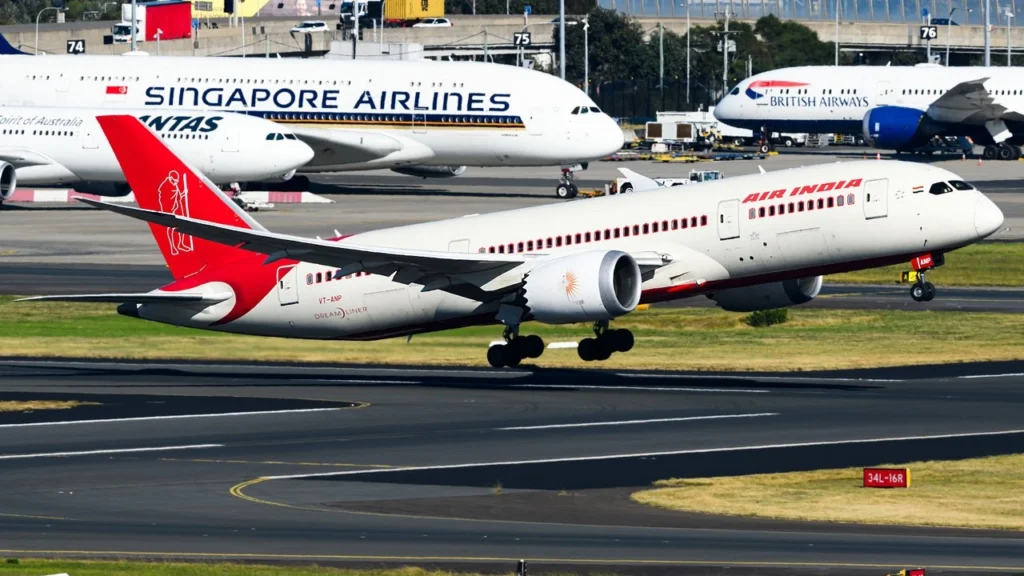
Preparing for Fleet Expansion
Air India has set ambitious expansion targets, ordering 570 aircraft, including numerous widebody jets, to enhance both domestic and international services. Currently, the fleet comprises 191 aircraft, while its low-cost division, Air India Express (IX), operates 115 planes as per Flightradar24.
A spokesperson from the airline pointed out that India’s existing MRO infrastructure cannot support such growth. To uphold global operational standards, it’s crucial for Air India to enhance local MRO capacity and lessen reliance on external service providers.
Although Air India still collaborates with AIESL, it recognizes that achieving its long-term objectives requires the establishment of strong in-house capabilities focused on safety and reliability.
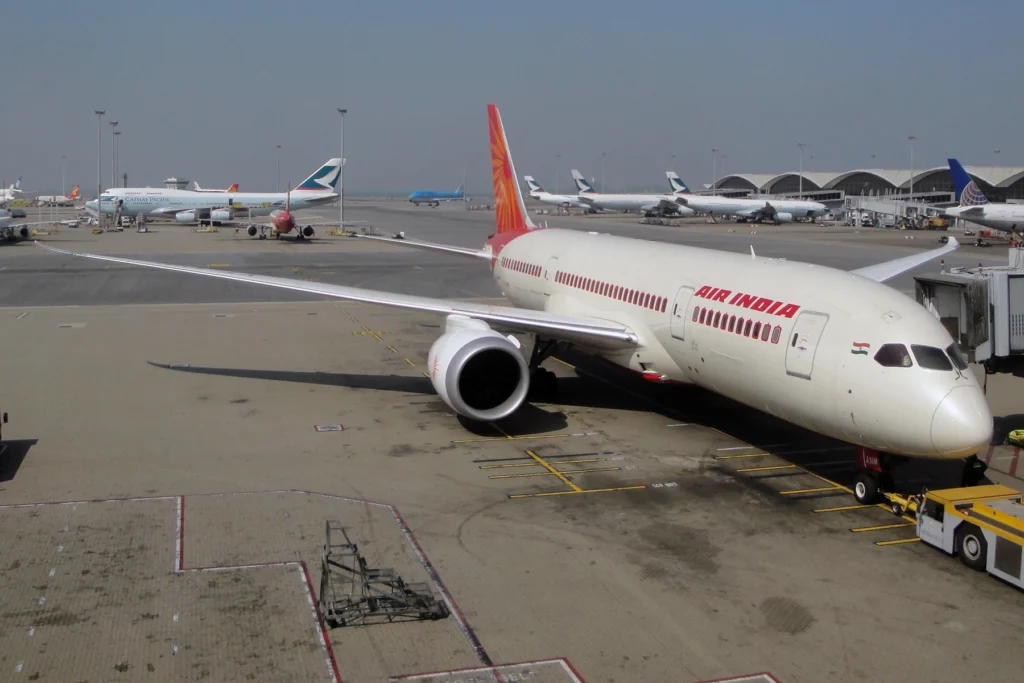
Industry Impact
Air India’s overhaul in maintenance practices carries far-reaching repercussions for the airline and its stakeholders. The recent crash and subsequent audit findings have highlighted the need for improved safety practices in India’s aviation sector.
Furthermore, Singapore Airlines has felt the financial impact, reporting a 59% drop in its quarterly profits ending June 30.
As it aims to reposition itself in the global aviation sector, ensuring operational reliability has become a key priority—not just for meeting safety regulations, but also to restore passenger confidence and safeguard shareholder value.
What do you think about Air India’s new maintenance strategy with Singapore Airlines?