Emirates Airline to Prohibit Power Banks Onboard Starting October 2025

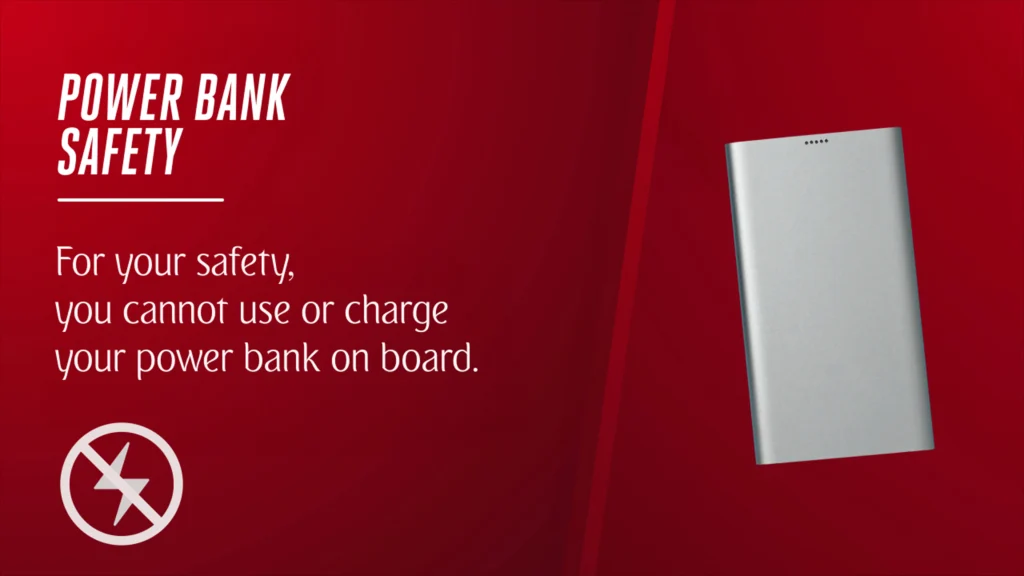
DUBAI- Emirates Airline (EK), the flagship carrier of the UAE, is set to implement a ban on all power banks aboard its flights starting 1 October 2025. Under certain conditions, passengers may still carry one power bank, but using it to charge devices or charging the power bank itself during the flight will be strictly prohibited.
This ban will be effective across the Emirates network, originating from Dubai International Airport (DXB), and will include stringent rules regarding storage, capacity limits, and safety compliance. This decision comes amid rising concerns in the industry regarding safety incidents associated with lithium batteries found in power banks.
Emirates Enforces Power Bank Restrictions
From October 1, 2025, Emirates will implement the following regulations regarding power banks:
- Passengers are allowed to carry only one power bank with a maximum capacity of 100 watt-hours.
- The capacity rating must be clearly marked on the device.
- Power banks cannot be used for charging devices during the flight.
- Charging the power bank using the aircraft’s power supply is not permitted.
- Power banks must be stored in the seat pocket or under the seat, and they are not allowed in overhead bins.
- As per existing rules, power banks cannot be placed in checked luggage.
This new policy aims to minimize fire hazards related to lithium-ion and lithium-polymer batteries, which can overheat or catch fire due to a phenomenon known as thermal runaway.
| Rule | Allowed? | Details |
|---|---|---|
| Carry a power bank | ✅ Yes | Only one per passenger; must be under 100Wh; capacity rating must be visible |
| Use power bank to charge devices | ❌ No | Charging any device from the power bank onboard is prohibited |
| Charge power bank onboard | ❌ No | Cannot be connected to the aircraft’s power supply |
| Storage location onboard | ✅ Yes | Must be in seat pocket or under the seat; not in overhead bins |
| Place in checked baggage | ❌ No | Power banks are considered cabin baggage only |
| Battery capacity limit | ✅ Yes | Maximum 100Wh for lithium-ion; follows IATA Dangerous Goods regulations |
| Multiple power banks | ❌ No | Only one per passenger is allowed |
| Damaged or unmarked power banks | ❌ No | Must be in good condition with visible capacity information |
Reasons Behind Emirates’ Ban
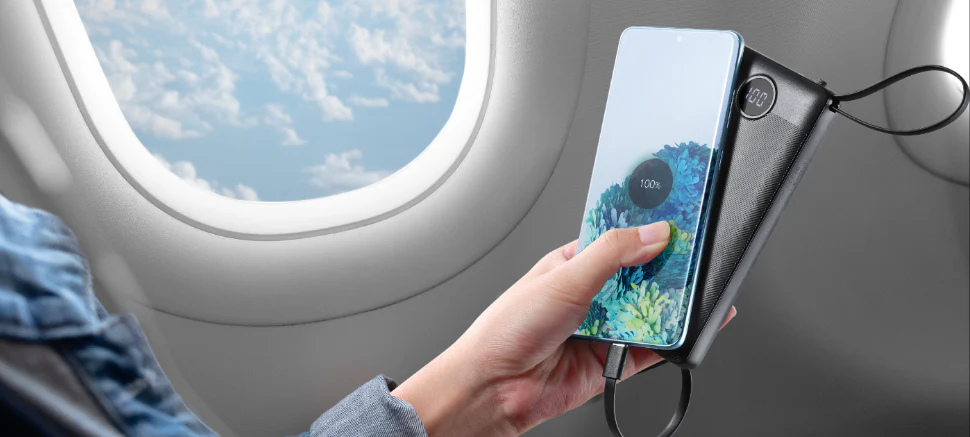
Emirates’ safety assessments revealed a noticeable increase in power bank usage and related lithium battery incidents within the aviation industry.
Thermal runaway is a critical condition that occurs when batteries generate excessive heat, which can result in fires, explosions, or the release of harmful gases.
Although many modern electronic devices come equipped with safety mechanisms to prevent overcharging, basic power banks may not have these features. By prohibiting their use during flights, Emirates aims to reduce the chances of overheating. Proper storage also enables cabin crew to act swiftly in emergencies.
Safety of Lithium Batteries in Aviation
Lithium-ion and lithium-polymer batteries are commonly used in portable electronics due to their lightweight design and efficiency. However, they pose fire risks if damaged, improperly charged, or exposed to extreme conditions.
To manage these risks, airlines, regulators, and manufacturers adhere to IATA Dangerous Goods Regulations.
Emirates emphasizes passenger safety, and this prohibition reflects their commitment to preventing onboard incidents.
Other Dangerous Goods Regulations
In addition to the power bank restrictions, Emirates enforces stringent regulations regarding the transport of dangerous goods, such as:
- No lithium battery-powered hoverboards or rideable devices.
- Defined limits on spare batteries, e-cigarettes, and smart baggage.
- Strict controls on aerosols, flammable liquids, and sharp objects.
- Zero tolerance for prohibited substances in the UAE.
Passengers are advised to check Emirates’ complete list of dangerous goods and the UAE customs guidelines before traveling.

Power Bank Policies among UAE Airlines
Etihad Airways (EY)
Etihad allows power banks in hand luggage, purses, or pockets, with a limit of 10 spare batteries, including power banks, per passenger. Lithium-ion batteries must not exceed 100 watt-hours, and lithium-metal batteries should not surpass 2 grams of lithium content.
The onboard use of power banks is strictly prohibited, including charging other devices or the power bank itself.
FlyDubai (FZ)
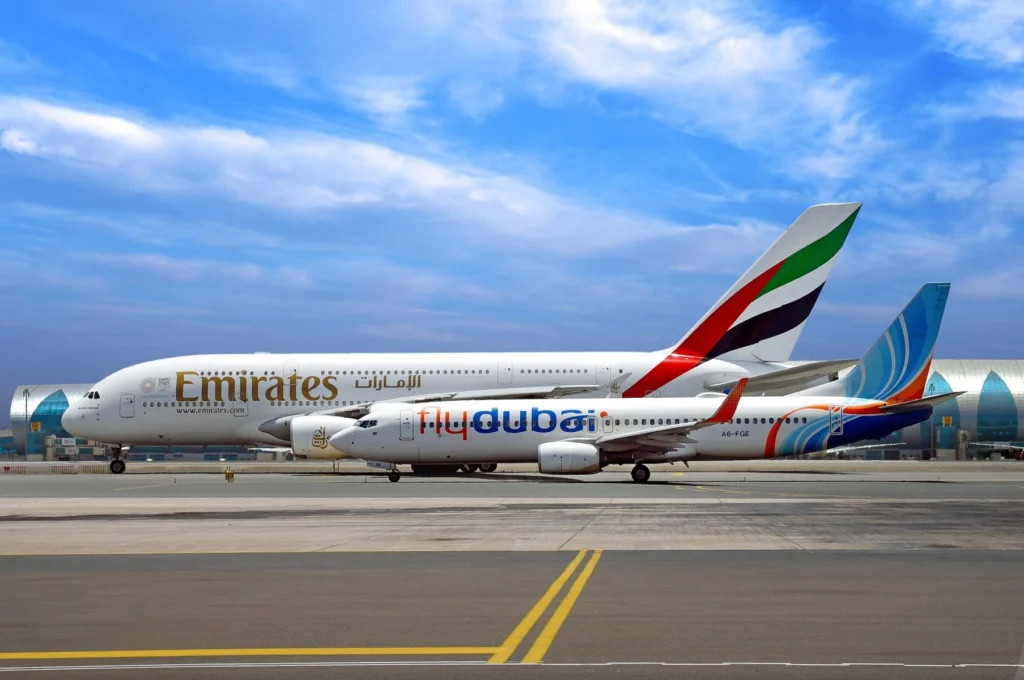
FlyDubai permits batteries up to 160Wh. For batteries that fall under 100Wh or contain 2 grams of lithium (like those in phones, laptops, and cameras), passengers can carry up to 15 devices across hand and checked baggage if the battery is installed in equipment.
Power banks or spare batteries must be kept in hand luggage only, safeguarded against short-circuiting and damage. Use during a flight is prohibited.
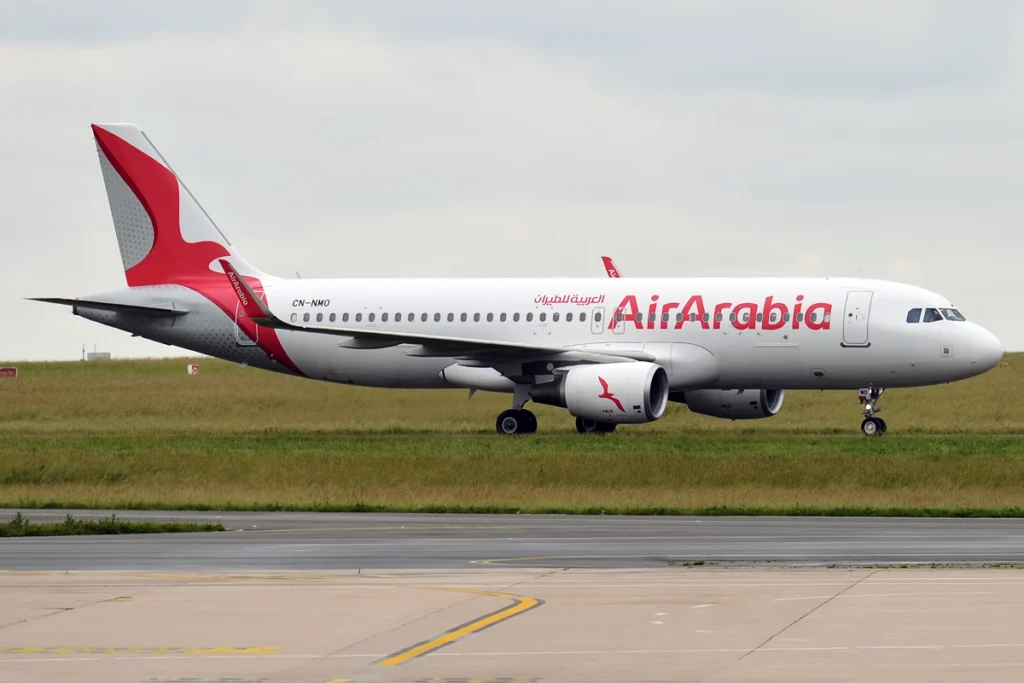
Air Arabia (G9)
Air Arabia permits devices with power banks up to 100Wh in cabin baggage. Devices must remain switched off during the flight.
Charging devices from the power bank or charging the power bank itself onboard is not allowed. Power banks should be stored in the seat pocket or under the seat, and are prohibited in overhead storage.
How do you feel about these new regulations regarding power banks on Emirates flights? Share your thoughts or questions below!