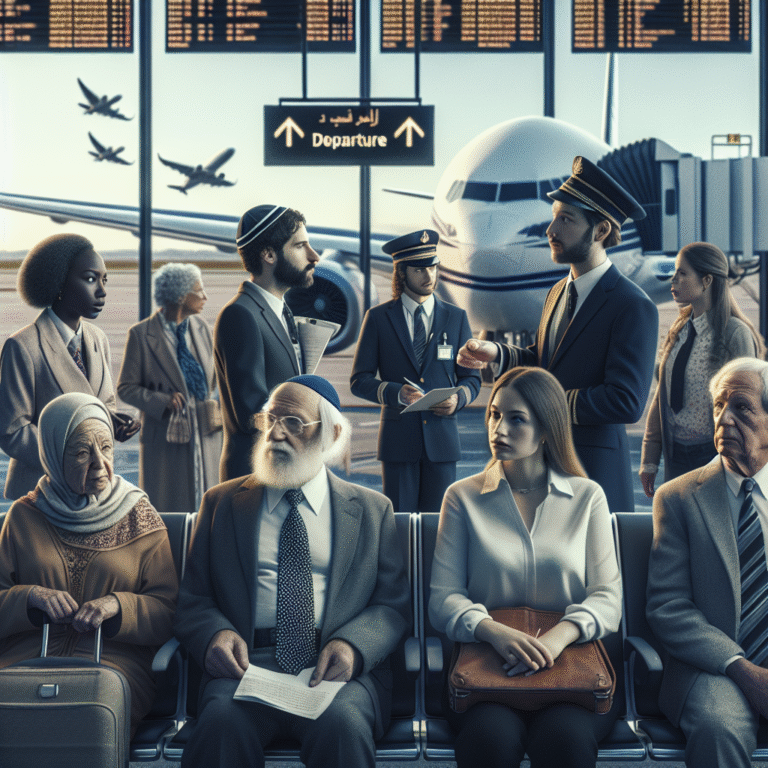
IndiGo Pilot Enters Lavatory While Occupied by Female Passenger

GURUGRAM- A passenger from Mumbai has accused IndiGo of mishandling a serious privacy breach on a flight that was about to take off from Mumbai Airport (BOM).
The traveler, Rhea Chatterji — co-founder of Safegold — expressed her feelings of violation after a co-pilot allegedly entered the lavatory while it was in use.
Chatterji detailed her troubling experience in a post on LinkedIn, suggesting that the airline minimized the gravity of the incident.
The event unfolded on August 8, during a late-night IndiGo flight just before takeoff. Despite notifying the crew and subsequently reaching out to IndiGo’s management, she found their response inadequate and lacking genuine accountability.
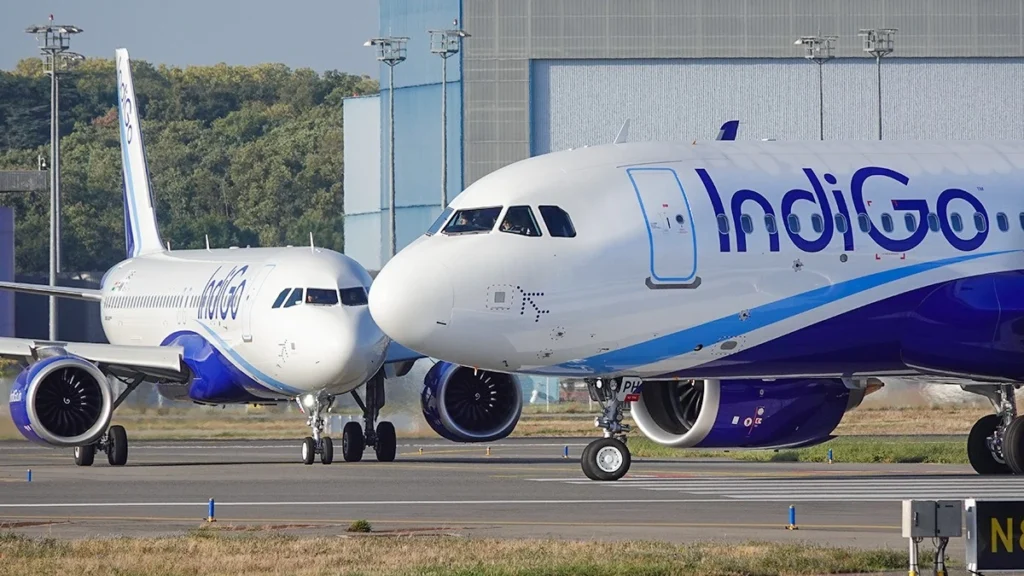
IndiGo Passenger Privacy Breach
Chatterji boarded the flight from Mumbai and headed towards the front lavatory before departure. She mentioned that the door was initially unlocked, and she secured it from within.
After hearing a knock, she responded verbally. When another knock sounded, she replied more forcefully.
Before she could finish, the lavatory door swung open, and a male crew member, reportedly the First Officer, looked at her while she was in a vulnerable state. Shocked, she recalled his reaction as he murmured “oh” and quickly shut the door.
Feeling overwhelmed, humiliated, and unsafe, Chatterji highlighted that she was in a confined space where it was impossible to distance herself.
She also noted that female flight attendants attempted to downplay the incident, apologizing for the “inconvenience” and insisting that “he hadn’t seen anything.” Chatterji found these dismissive comments deeply unsettling, arguing they minimized her distress.
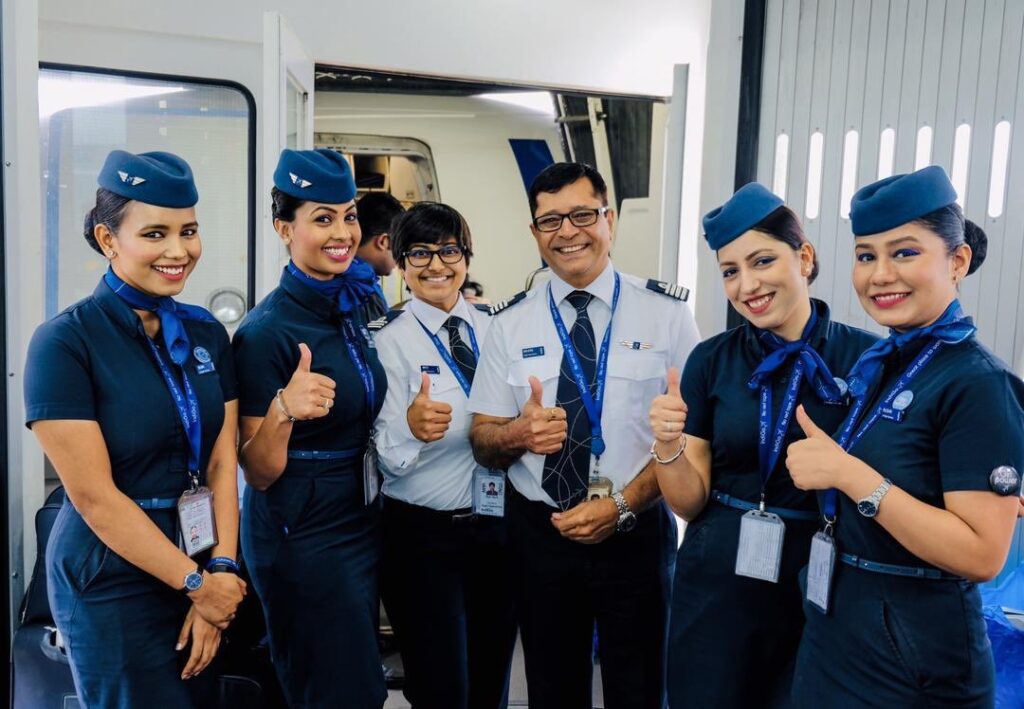
Crew Response and Alleged Mishandling
Chatterji asserted that the crew’s handling of the incident exacerbated her distress. She mentioned that attendants continued to engage with her despite her requests for space.
Instead of approaching the matter with care, they reportedly suggested she meet the Captain and First Officer in their cockpit — a daunting prospect given the circumstances.
In her LinkedIn update, Chatterji shared the emotional burden of sitting through the 90-minute flight in silence, wishing she could vanish. She described the ordeal as leaving her with a “deep sense of revulsion” and isolation.
Upon landing, she emailed IndiGo’s senior executives, including the CEO. However, she claimed the airline’s follow-up consisted mainly of routine phone calls and a formal apology letter.
Compensation included a ticket refund and additional vouchers, which she felt trivialized her dignity and did not tackle the underlying issue.
Chatterji stated that her goal in sharing her experience was not about seeking compensation but raising awareness, particularly for women and families traveling with children regarding the risks posed by inadequate accountability in aviation.
IndiGo responded on LinkedIn, calling the incident an “inadvertent mistake.” The airline assured that the involved crew member had received counseling and that training programs were being reinforced to prevent similar incidents in the future.
Emphasizing its commitment to passenger safety, dignity, and comfort, IndiGo claimed it was treating the matter with “utmost seriousness.”
Nonetheless, many LinkedIn users criticized the airline’s response, arguing that labeling such an incident as an “inconvenience” diminished the severity of the violation.
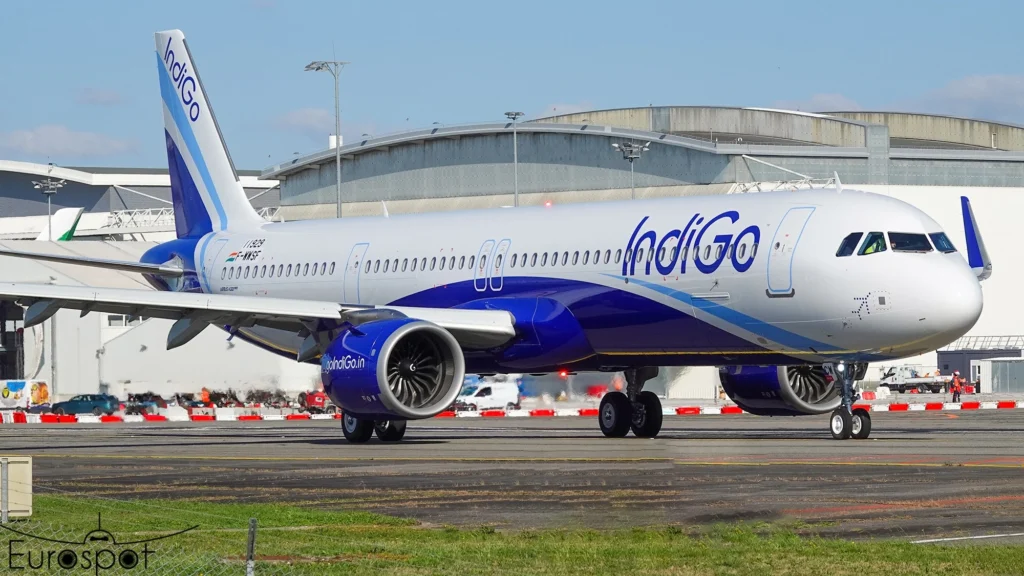
Public Reaction and Broader Implications
Responses on LinkedIn criticized IndiGo, deeming their handling of the situation inadequate, especially for treating privacy violations lightly.
Numerous users shared similar experiences, emphasizing the need for proper lavatory occupancy indicators to prevent such errors, suggesting negligence was involved.
Commenters pointed out the significance of dignity and urged airlines to address complaints with genuine empathy instead of using corporate jargon.
The incident sparked wider discussions on passenger rights, particularly for vulnerable individuals, and highlighted the urgent need for systemic changes in crew protocols.

Conclusion
This alleged incident brings attention to the ongoing struggle airlines face in balancing operational procedures with passenger dignity.
While IndiGo’s official stance considered the violation accidental, the public reaction indicates a growing concern regarding the treatment of privacy and accountability in the aviation sector.
For many, this case serves as a reminder that upholding dignity and trust should extend beyond mere corporate apologies, requiring meaningful and transparent actions.
What are your thoughts on how this incident could be better addressed by airlines in the future?