2025’s Leading Boeing 787 Dreamliner Airlines Worldwide

SEATTLE— Boeing introduced the 787 Dreamliner in the early 2000s, positioning it as the future of long-distance air travel. This aircraft was designed to offer better efficiency, an extended range, and a fresh approach to connecting international cities.
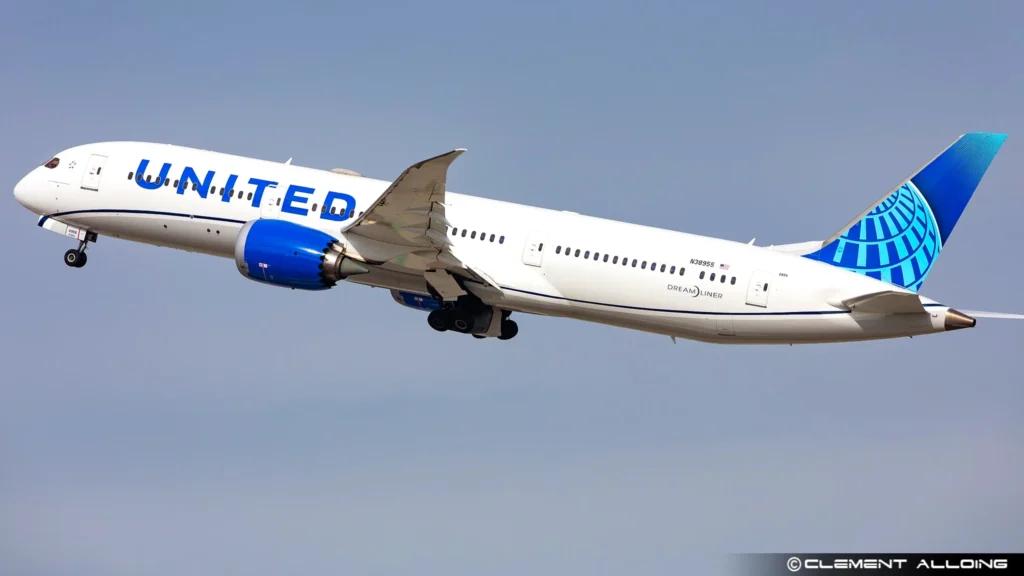
However, airlines such as All Nippon Airways (NH) at Tokyo Haneda (HND), Qatar Airways (QR) at Doha Hamad (DOH), and United Airlines (UA) at Chicago O’Hare (ORD) found themselves facing delays instead of flights in those early years. Production holdups, technical complications, and incidents of grounding clouded the Dreamliner’s entry into operation, as reported by Visual Approach.
Airbus vs. Boeing: The Widebody Contest
The development of the 787 coincided with a significant rivalry between Boeing and Airbus. While Airbus invested in the A380, aimed at transporting the highest number of passengers between major hubs, Boeing focused on a different strategy. The 787 was designed to operate on a point-to-point model, facilitating direct flights between smaller cities.
This strategy proved beneficial. The demand shifted towards efficiency and operational flexibility, especially as the pandemic altered travel preferences.
As a result, while Airbus phased out the A380 program, the 787 emerged as the prominent widebody aircraft of the 2020s. Its design prioritizes fuel efficiency and lightweight composite materials, meeting the operational needs of airlines for cost-effectiveness and adaptability.
Navigating a Difficult Path to Success
Despite its eventual triumph, the journey of the 787 was riddled with difficulties. Development setbacks extended far beyond the anticipated timeline, and notable issues like lithium-ion battery fires and engine failures captured headlines globally.
Production hurdles led Boeing to halt assembly temporarily, creating further challenges in gaining trust from operators.
This complicated narrative meant the 787 couldn’t instantly be labeled a “winner.” It garnered respect for its performance while causing frustration due to its delivery inconsistencies.
Carriers acknowledged the aircraft’s efficiency, yet they grappled with the implications of grounded fleets and delayed deliveries.
Economic Resilience Amid Market Fluctuations
In spite of the controversies surrounding it, the 787 has shown strong resilience in terms of market value. Appraisals and leasing prices have remained robust compared to other widebody models. This durability highlights the market’s acceptance of the 787 as a valuable long-term asset, despite its early struggles.
Research from Visual Approach indicates that the 787-10 variant, the largest version, continues to retain impressive values and lease rates. Investors see it as a reliable asset, especially as the appetite for twin-engine widebodies continues to rise.
Leading Boeing 787 Operators
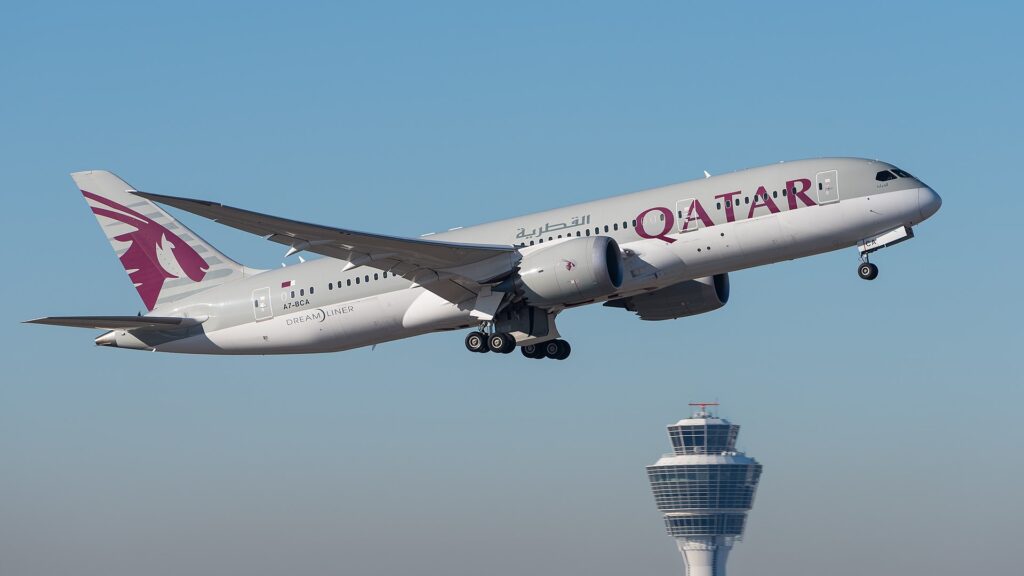
As of today, All Nippon Airways (NH) stands as the largest operator of the 787, marking its early involvement as a launch customer. Qatar Airways (QR) and United Airlines (UA) are also significantly expanding their fleets. Among the top 25 global operators, only Hainan Airlines (HU) has no outstanding orders, though it continues to keep its fleet operational.
Let’s take a look at the Top 10 Boeing 787 operators in 2025:
| Rank | Airline | Fleet Size (2025) |
|---|---|---|
| 1 | All Nippon Airways (NH) | 83 |
| 2 | United Airlines (UA) | 76 |
| 3 | Qatar Airways (QR) | 60 |
| 4 | Japan Airlines (JL) | 50 |
| 5 | American Airlines (AA) | 50 |
| 6 | Air Canada (AC) | 38 |
| 7 | British Airways (BA) | 35 |
| 8 | Etihad Airways (EY) | 30 |
| 9 | Hainan Airlines (HU) | 29 |
| 10 | Qantas (QF) | 28 |
Key Insights:
- All Nippon Airways (NH) leads with a total fleet size of 83, evenly divided between -8 and -9 models, featuring fewer -10s.
- United (UA) boasts a significant number of -9s and -10s but maintains a smaller count of -8s.
- Qatar Airways (QR) possesses a higher number of -9s compared to -8 and -10 variants.
- Japan Airlines (JL) has a balanced fleet between -8 and -9, with no -10s.
- American (AA) has a strong focus on the -10 variant.
This trend highlights the differing preferences: Asian airlines like NH and JL favor smaller versions for regional agility, while U.S. carriers such as AA emphasize the -10 for capacity on long-haul flights.
The Legacy of the Dreamliner
What began as one of Boeing’s most challenging programs has evolved into one of its most valuable assets. The success of the Dreamliner didn’t come instantly but was achieved through tenacity, the willingness of airlines to adopt the model, and alignment with market needs. This aircraft has redefined the future of long-haul travel.
From overcoming initial setbacks to demonstrating ongoing resilience, the 787 has established itself as the backbone of international flights, showing that the path to success in aviation is often paved with challenges.