Qatar Airways Introduces All-Economy Seating on New Aircraft Model

DOHA- Qatar Airways (QR) is set to deploy all-economy Airbus A321neos featuring a 236-seat layout. This new configuration will be operational beginning in October 2025, servicing regional routes that include destinations like Madinah (MED), Multan (MUX), Peshawar (PEW), Sharjah (SHJ), Sialkot (SKT), and Tbilisi (TBS) from Doha (DOH).
By eliminating the business class section entirely, this configuration increases passenger capacity significantly. The layout resembles those of ultra-low-cost carriers, signaling a strategic pivot toward volume to attract price-sensitive travelers.
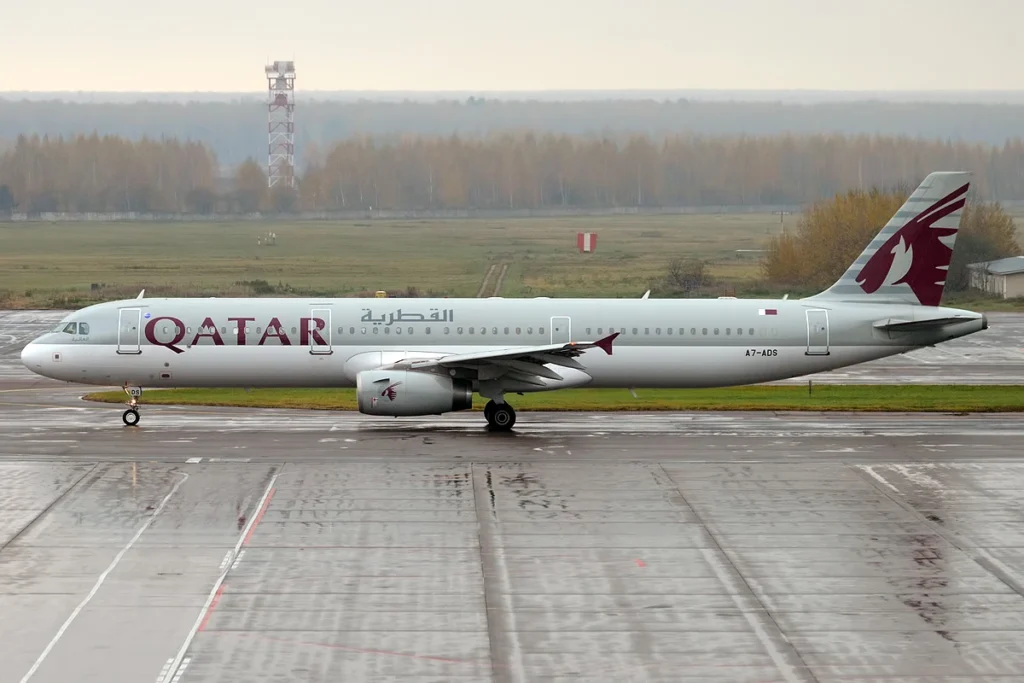
Qatar Airways A321neo Fleet
This table highlights the routes slated for the high-density Airbus A321neo operations, along with their respective start dates.
| Route | Start Date |
|---|---|
| Doha (DOH) – Madinah (MED) | 16 October 2025 |
| Doha (DOH) – Multan (MUX) | 26 October 2025 |
| Doha (DOH) – Peshawar (PEW) | 26 October 2025 |
| Doha (DOH) – Sharjah (SHJ) | 26 October 2025 |
| Doha (DOH) – Sialkot (SKT) | 3 November 2025 |
| Doha (DOH) – Tbilisi (TBS) | 1 January 2026 |
These routes are designed to support high passenger volumes, particularly for migrant workers and family travelers, where price competitiveness is key.
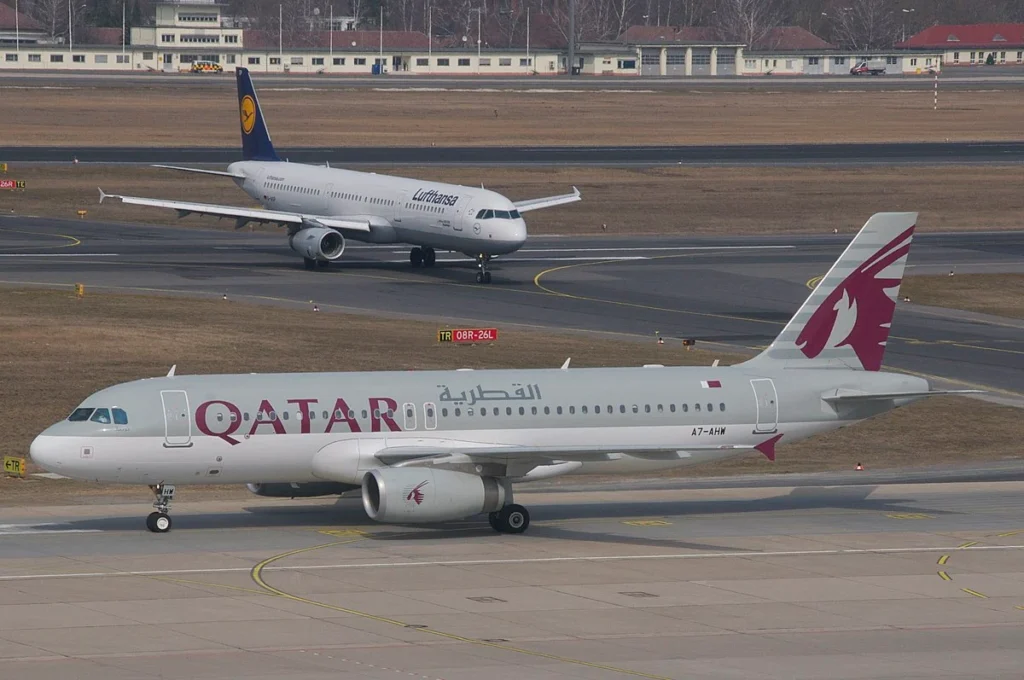
Aircraft Configuration
Qatar Airways has placed an order for 50 A321neo family aircraft, which includes A321LR models for extended flights.
The first batch of A321neos will feature an all-economy setup with 236 seats, greatly exceeding the average dual-class configuration of around 182 seats (12 business + 170 economy). Here’s a look at how Middle East Airlines has arranged its Airbus A321neo:
| Cabin Class | Seats & Layout | Seat Width | Row Pitch | Recline | IFE Screen | Power Options |
|---|---|---|---|---|---|---|
| Cedar Class (Business) | 28 Recaro CL5710 recliners, slate grey fabric, 2-2 configuration | 21″ | 50″ | 8″ | 13″ HD touchscreen | Universal AC, USB-A, USB-C sockets |
| Economy | 132 Recaro CL3710 slimline seats, 3-3 configuration | 18″ | 32″ | 4″ | 10″ HD touchscreen | USB-A and USB-C sockets |
By forgoing the business class section, Qatar Airways enhances the number of available seats and reduces costs per passenger. However, this may come at the expense of passenger comfort and onboard entertainment options, particularly in the early aircraft deliveries.
Travelers flying on these A321neo aircraft should be prepared for potentially less legroom akin to that found on low-cost carriers, along with the absence of seat-back entertainment screens.
Travel experts recommend downloading entertainment in advance on personal devices, as inflight amenities may be limited. Potential passengers should verify the aircraft type when booking to ensure comfort is prioritized, as reported by VisaVerge.
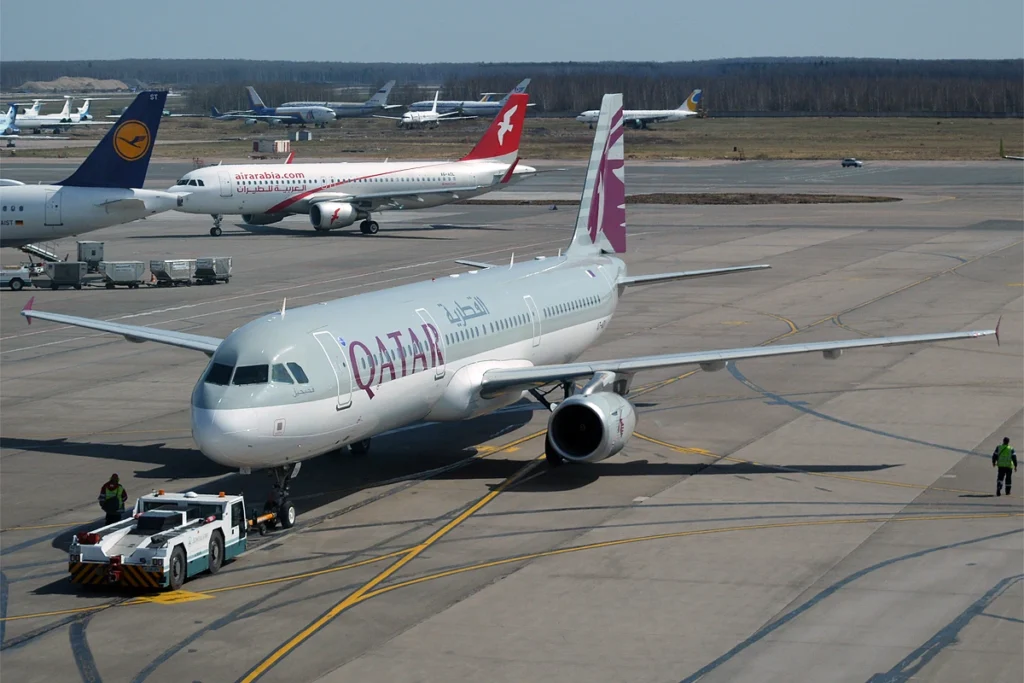
What’s the Strategy?
The addition of high-density A321neos allows Qatar Airways to bolster capacity without increasing flight frequencies or adding different aircraft types, which is crucial in slot-restricted environments.
This strategy appears to benchmark its volume against low-cost carriers, with cabin densities comparable to those of Wizz Air (239 seats) and Transavia (232 seats).
While this marks a shift from Qatar’s traditional premium offerings, it aligns well with observed demand on specific regional routes. The strategy is dynamic; should customer feedback necessitate it, Qatar might reinstate premium cabins in the future.
Bottom Line
Qatar Airways’ latest move points to a volume-oriented strategy for regional flights, utilizing high-density jets to effectively meet market demand while maintaining operational efficiency. The success of this configuration will depend on passenger load factors and how well customers respond to the decreased levels of onboard comfort.
If these routes maintain strong occupancy, Qatar may extend similar configurations to other markets. Conversely, unsatisfactory feedback or lower-than-expected yields could lead to a reassessment and potential reintroduction of premium seating options.