San Francisco Landing: United A320 Pilots Execute Two Go-Arounds Due to TCAS Alert

SAN FRANCISCO— A recent incident involving United Airlines flight UA1620, operated by an Airbus A320, highlighted the complexities of air traffic management as the flight encountered multiple go-arounds during its approach to San Francisco International Airport (SFO).
The aircraft took off from Seattle-Tacoma International Airport (SEA) and faced repeated Traffic Collision Avoidance System (TCAS) Resolution Advisories (RA) before ultimately landing safely.
As the flight approached SFO, the crew first received a TCAS RA, prompting them to execute a go-around. It wasn’t long before another advisory occurred during the second approach, leading air traffic control (ATC) to advise the pilots to abandon their landing attempt due to safety concerns.
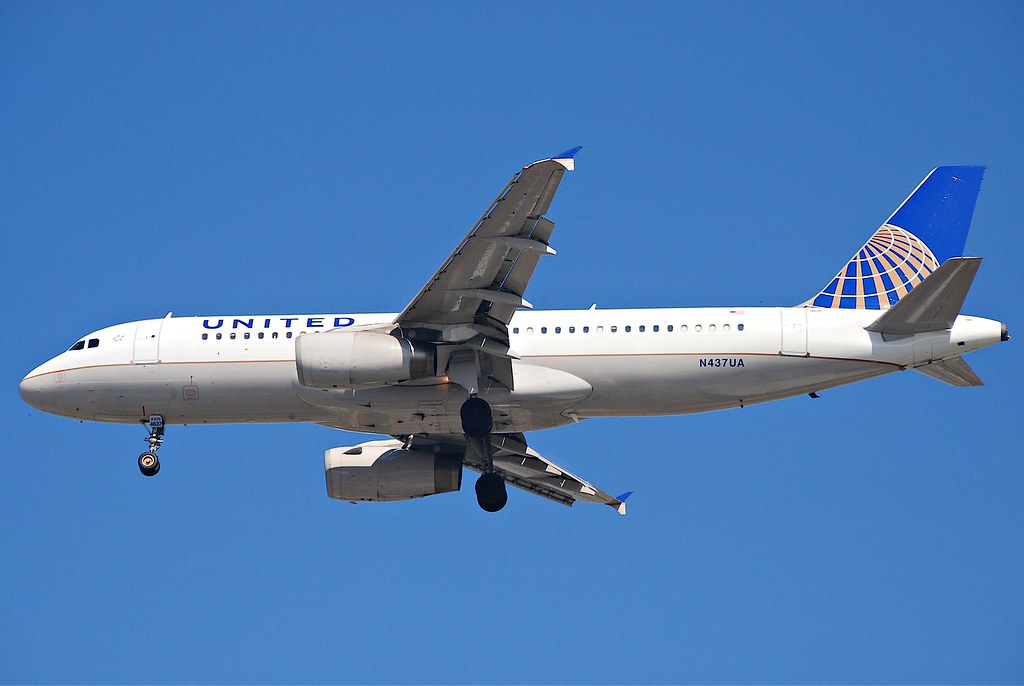
United Pilots Go-Arounds at SFO
As UA1620 neared San Francisco, the initial TCAS RA prompted the pilots to climb and abandon their landing attempt.
During the subsequent approach, the aircraft once again faced an advisory. Approximately thirty seconds later, ATC voiced concern about the aircraft’s descent becoming unsafe, instructing the crew to execute another go-around.
At this stage, the aircraft was about 700 feet above the ground and four miles from the runway. The controller cautioned, “You’re getting dangerously close, go around.” The flight crew responded by initiating a climb and preparing for another attempt.
Following two go-arounds, UA1620 successfully aligned for a third approach to runway 28L at San Francisco (SFO) and landed without any further incidents.
Throughout the process, ATC communications indicated that both the crew and controllers maintained situational awareness, ultimately ensuring a safe landing after addressing the alerts.
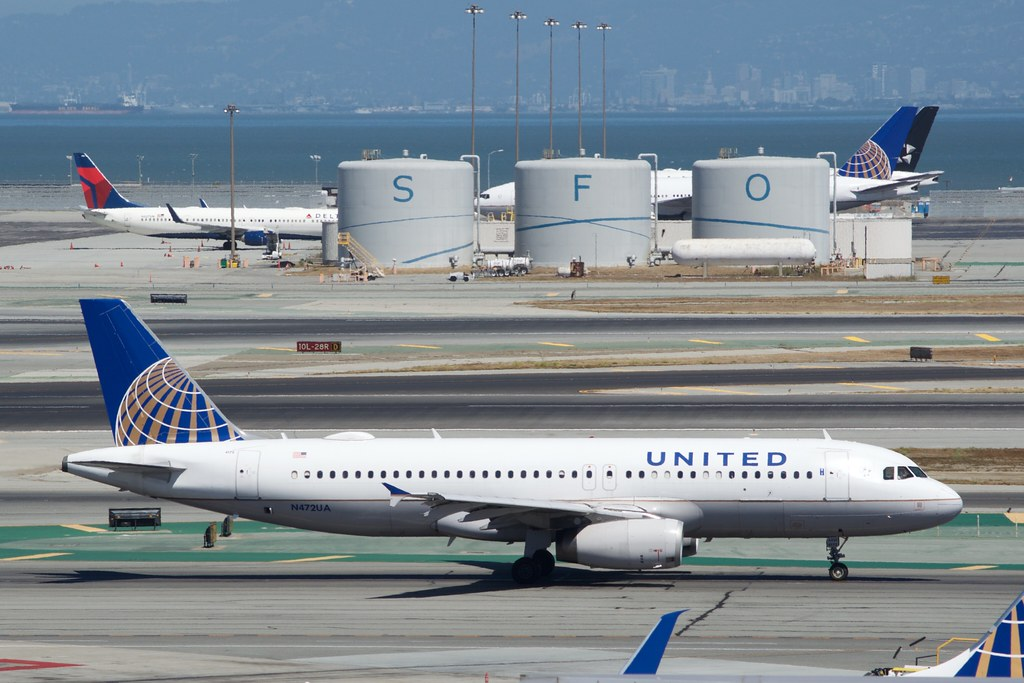
ATC and United Pilots Communication
The following is a detailed transcription of communications between San Francisco ATC and the pilots of United Airlines A320, captured by LiveATC.net:
{ts:23}
Pilot (United 1620): 1620, visual right at 1620 San Francisco tower, traffic on the ones, 270.
ATC (Tower): At 1, 14 right for land, 28 right United 1620, cast.
{ts:42}
ATC: United 1620, I observe you on the go. Fly runway heading and maintain 3,000. Go around.
Pilot: Okay, maintain runway heading, 3,000, 1620.
{ts:47}
ATC: United 1620, when you’re able, can you say the reason?
Pilot: TCAS RA and then we were too high.
{ts:62}
ATC: United 1620, yeah. Thank you. Contact NorCal 135.1.
Pilot: 135.1, 1620.
{ts:66}
Pilot: 1620, back with you, level 3,000, runway heading.
{ts:77}
Pilot: 500, 1620, back with you, visual 28 left.
ATC: 1620, S tower, traffic on the ones, 26 at 1, 16 left for land, 28 left, cleared to land 1620.
{ts:103}
ATC: Exec 191, San Francisco tower, traffic on the ones, 26 at one right for land, cleared to land 28 right.
Pilot (Exec 191): We got the traffic on our left side for exec jet 191.
{ts:111}
ATC: 1620 or 1620T?
Pilot: Yeah, 1620.
{ts:121}
ATC: Advise completed with your resolution, traffic off your right for the parallel runway at 2,000, Gulfstream.
Pilot: 620, Roger.
{ts:126}
ATC: Exec 191, use caution, traffic off your left reporting a TCAS RA with you there for the parallel runway at 1,400.
Pilot (Exec 191): Copy that, we still got them in sight for exec 191.
{ts:143}
ATC: 1620, Roger. Advise complete with your resolution and your intentions to land if you’d like.
{ts:150}
ATC: 1620, you’re getting dangerously close, go around! Turn left, heading 260, maintain 3,100.
Pilot: Okay, go around; say again, please—260, 3,100?
{ts:168}
Pilot: 260, 3,100, 1620. Just to verify, 260, 3,100. Contact NorCal 135.1.
ATC: 135.1, United 1620.
{ts:178}
Pilot: 260 and 3,100, United 1620.
{ts:192}
ATC: Welcome back, climb 4,000, 1620. What heading do you need?
Pilot: 260 and climb 4,000.
{ts:211}
Pilot: Tower, hello, United 1620, visual 28 left.
ATC (Tower): Wind 270, 17, runway 28 left, cleared to land.
Pilot: Cleared to land, 28 left, United 1620.
Significance of TCAS in Flight Safety
The Traffic Collision Avoidance System (TCAS) serves a critical role in preventing mid-air collisions by alerting pilots when another aircraft is detected at a conflicting altitude. A TCAS Resolution Advisory (RA) instructs pilots to climb or descend immediately, often overriding ATC directions.
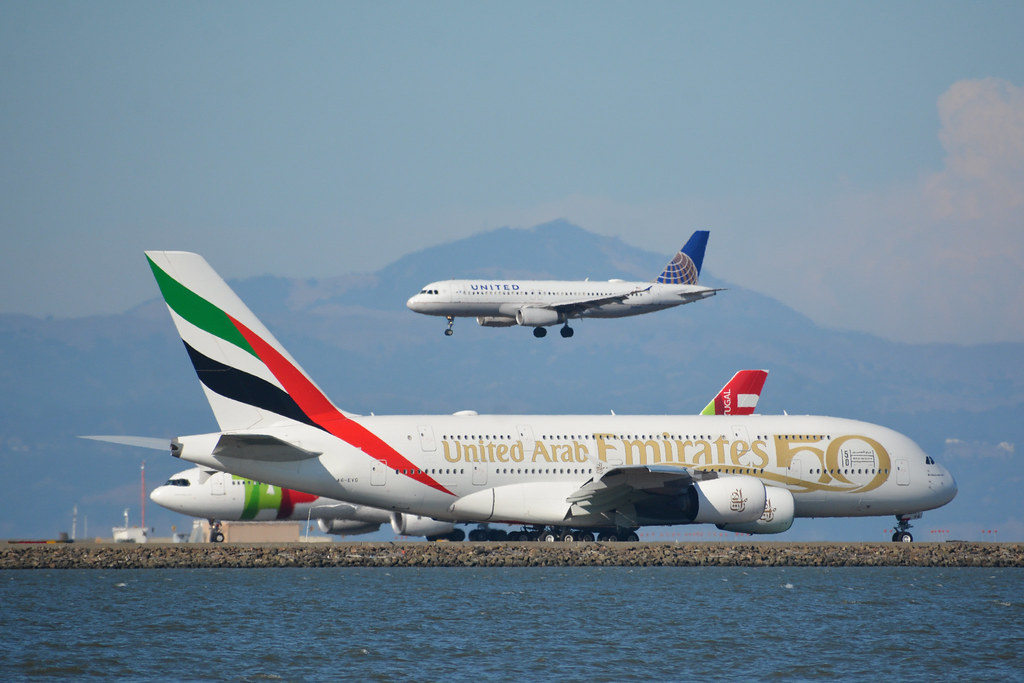
In the congested airspace surrounding San Francisco International (SFO), TCAS advisories are frequent. However, experiencing multiple alerts during successive approaches emphasizes the intricate nature of traffic management and pilots’ decision-making in such high-density settings.
Final Thoughts
Safety outcome: No injuries or damage reported; TCAS functioned effectively to prevent potential conflicts.
Aircraft involved: United Airlines Airbus A320 (N481UA).
Route: Seattle (SEA) to San Francisco (SFO).
Event: Three TCAS RAs issued during approach.
Actions taken: Two go-arounds before a successful landing on runway 28L.
What are your thoughts on the effectiveness of TCAS in aviation safety?