Is It Smart or Selfish to Cut the Line at DFW Airport?

FORT WORTH- Passengers of American Airlines (AA) encountered a challenging situation during tight layovers at Dallas/Fort Worth International Airport (DFW). One traveler, eager to make a connecting flight, skipped the line while deplaning, igniting discussions about the balance of etiquette and practicality in travel. This incident sheds light on the ongoing challenges faced in air travel, where individual urgency often clashes with collective norms.
American Airlines Passenger Line-Cutting Incident
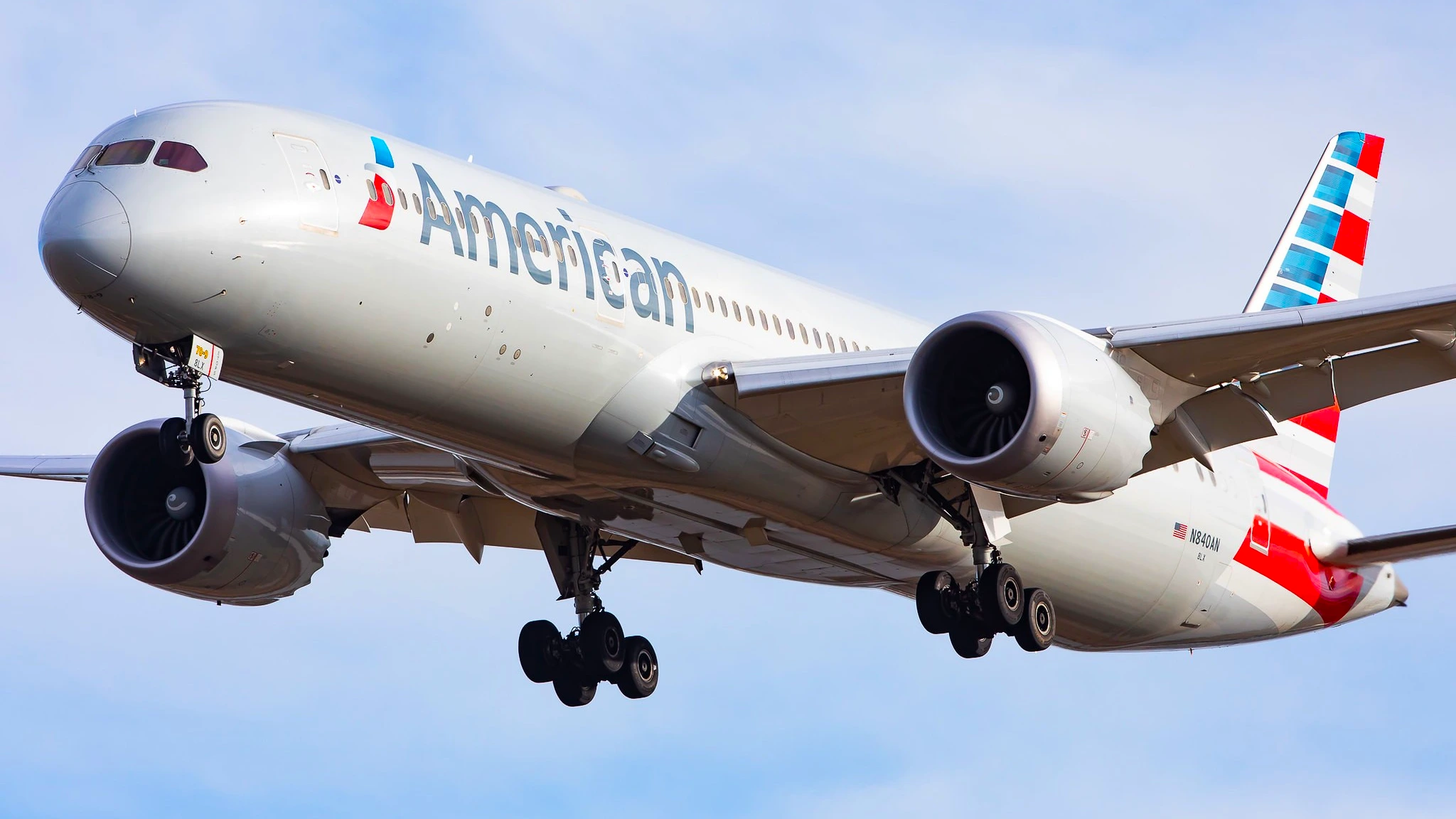
American Airlines (AA) services at Dallas/Fort Worth (DFW) can test the patience of even the most seasoned travelers.
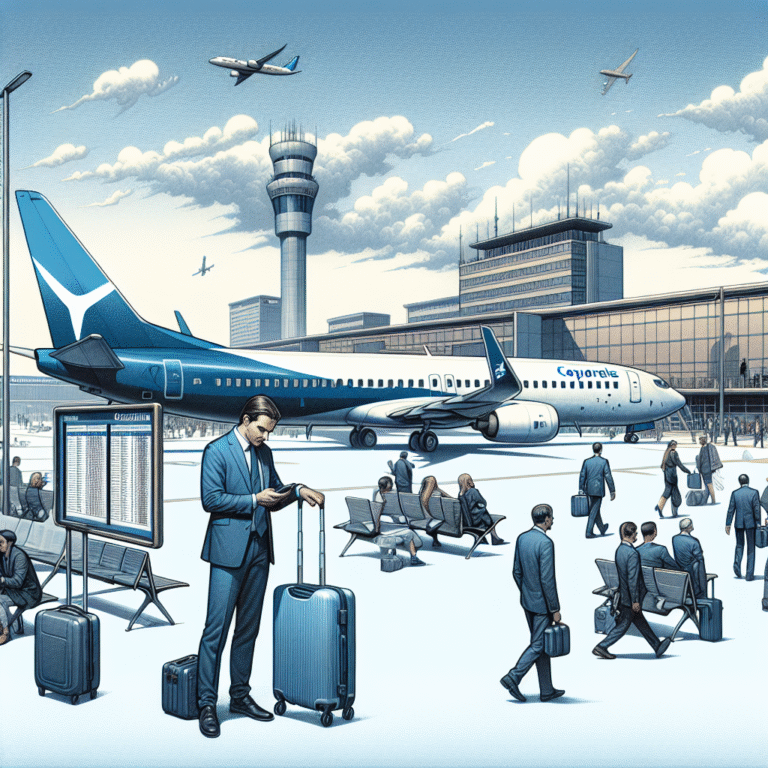
In a recent occurrence, a passenger seated in row 9 of the economy class unbuckled his seatbelt the moment the plane touched down. He quickly retrieved his backpack and headed toward the front as soon as the doors opened.
With only 70 minutes left for his layover following delays, he had just enough time to sprint to his next gate, successfully boarding as the last passenger and avoiding a potential missed flight.
This situation, highlighted by View from the Wing, sparked varying opinions. While some criticized the act of cutting the line as inconsiderate, others argued it was necessary in time-sensitive situations.
Although flight attendants sometimes announce priorities for those with tight connections, none did in this case. The passenger’s swift exit was possible without obstructing other travelers.
Airlines, especially in major hubs like DFW, often operate with minimal time buffers to maximize efficiency. Delays can create significant challenges, particularly in economy seating, where those situated at the front enjoy slight advantages. The manner in which one deplanes can influence the overall experience for many.
Passengers can benefit by getting up promptly. By retrieving their overhead belongings sooner, they facilitate a quicker exit for everyone. This efficient deboarding process can significantly decrease deplaning time, aiding those with connections.
Standing early opens up cabin space, allowing aisle passengers to step away and creating comfort for others. Similarly, it provides relief for those who have been seated for hours.
Such behaviors extend beyond a single flight’s dynamics. Quick deplaning allows cleaning crews to start their work sooner, ensuring that planes are ready for incoming passengers. Airlines benefit from this efficiency by keeping operational costs in check, positively impacting fares.
Some critics argue that rushing doesn’t significantly change the experience, as doors may initially remain closed. However, data suggests that proactive movement can reduce deplaning time by an average of two minutes, which benefits everyone.
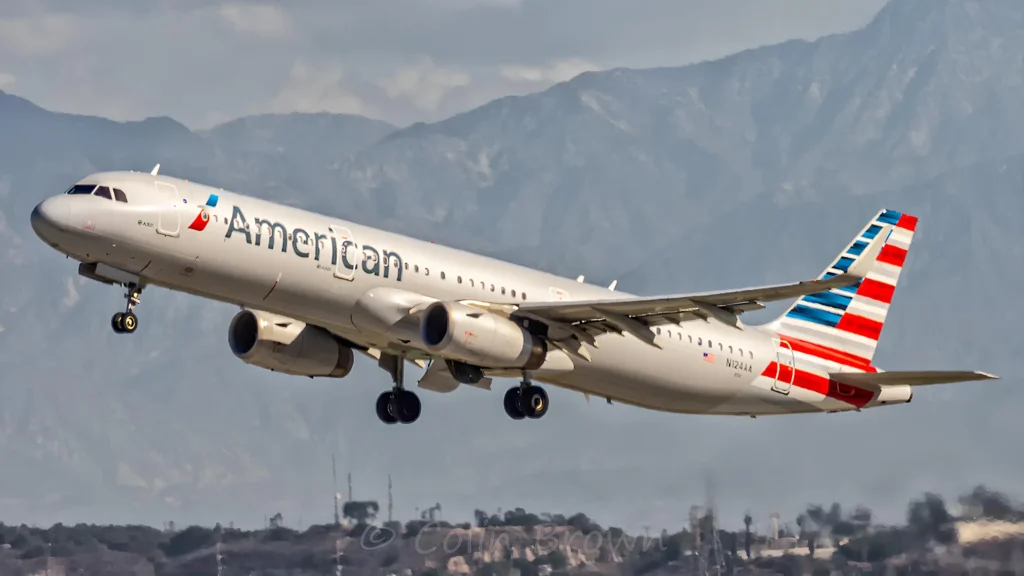
Considerations for Skipping Ahead in an Aisle
Basic courtesies usually dictate that passengers wait for their row’s turn to deplane. Pushing past fellow travelers can disrupt the flow, creating frustration. However, natural gaps can present themselves when certain passengers take their time, leading to openings.
During these moments, polite advancements can maintain the flow, ensuring that everyone exits more efficiently. In cases of tight connections, the need to move quickly becomes paramount due to the risk of missing subsequent flights.
While airlines promote efficiency, they also aim to prevent chaos. Although pushing ahead is inappropriate, making calculated steps forward can align with operational needs.

Conclusion
Efficient deplaning is crucial for maintaining on-time performance in busy networks. Major hubs like DFW see thousands of travelers daily, and even minor delays can spread throughout the system.
This politeness impacts ground crews significantly. Shorter occupancy times enable them to perform their tasks more effectively and efficiently, which benefits all involved.
Passengers contribute to lower flight costs through these better practices. Streamlined turnarounds result in less fuel consumption and reduced crew overtime.
Embracing this mindset can enhance the overall travel experience, transforming potential conflicts into opportunities for collaboration. How do you approach deplaning during tight connections?