Spirit Airlines Reduces November Flights by 25% Amid Restructuring Efforts

Spirit Airlines Reduces November Flight Capacity
MIRAMAR- Spirit Airlines (NK) is cutting 25% of its November flights as part of a strategy to enhance operations and focus on markets that are performing well. This decision follows a memo from CEO Dave Davis that was shared with operational leaders, outlining initial flight schedules for the month.
The reduction builds on earlier service suspensions in 12 U.S. cities, notably affecting four routes associated with Fort Lauderdale-Hollywood International Airport (FLL).
On August 29, 2025, Spirit Airlines filed for bankruptcy protection, marking the second time the airline has taken this step in under a year.
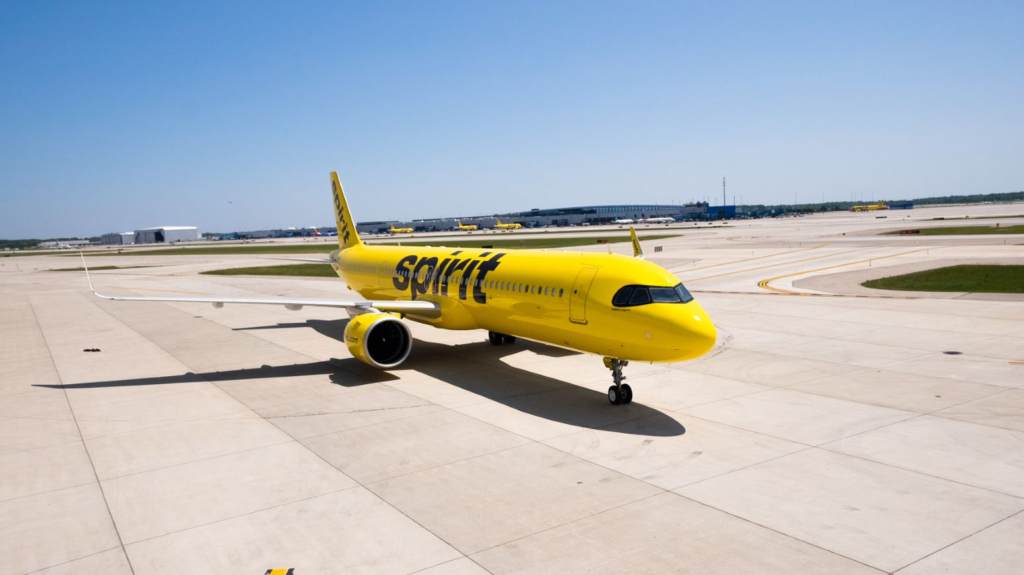
Operational Changes Implemented
With the flight cuts, Spirit Airlines is reallocating resources to its most promising markets. Operational teams will receive the initial flight schedules for November this week, with final updates expected next week.
CEO Dave Davis indicates these adjustments are part of ongoing cost control measures, which also include fleet evaluations and negotiations with vendors.
The airline assures passengers that bookings and travel will continue as normal, yet encourages ticket holders to stay informed about changes. This approach aims to stabilize financial performance following unsuccessful high-end upgrades, such as additional legroom seating that haven’t compensated for increasing costs.
Routes to Birmingham, Alabama (BHM), Columbia, South Carolina (CAE), Chattanooga, Tennessee (CHA), and Macon, Georgia (MCN) will cease operations starting the week of October 2, 2025.
While the airline had previously planned to launch services to Macon on October 16, those plans have been scrapped amid the restructuring process.
These routes offered direct connections to Fort Lauderdale (FLL), thereby limiting regional travel options. Two weeks ago, Spirit also paused flights to eight additional U.S. cities in an effort to maintain liquidity.
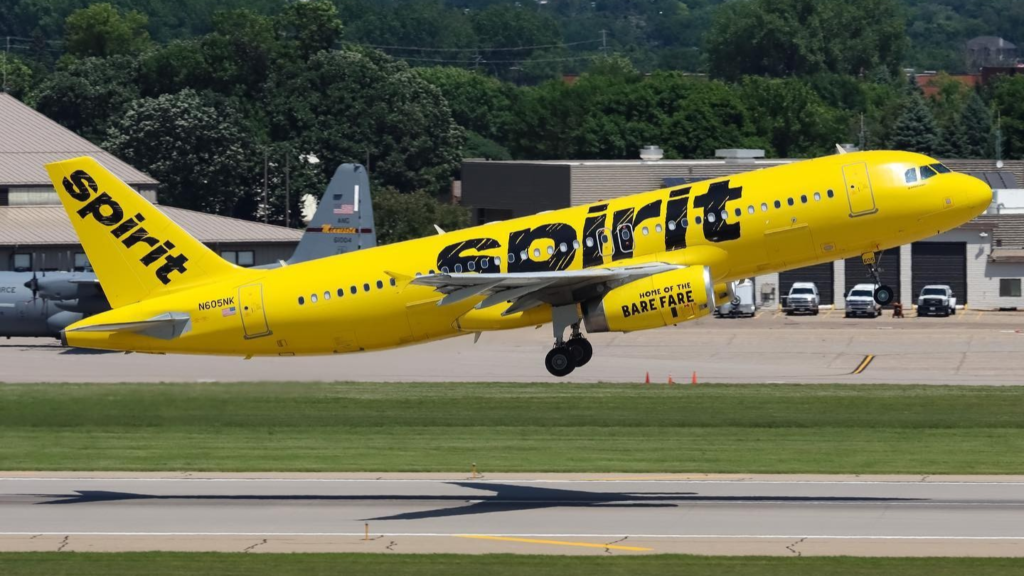
Bankruptcy and Restructuring Efforts
Spirit Airlines entered Chapter 11 bankruptcy proceedings on August 29, 2025, following a warning of potential collapse earlier that month. The filing is aimed at redefining the airline’s network while also focusing on asset sales and cutting supplier agreements.
Dave Davis, who became president on February 20, 2025, is leading the restructuring efforts that have already seen pilot layoffs.
Despite attempts to transition from its budget model, the airline continues to face challenges in retaining customer loyalty and benefits.
In 2024, Spirit Airlines delivered more passengers to Fort Lauderdale-Hollywood International Airport (FLL) than any other airline, showcasing its importance to the South Florida economy, despite these recent cuts.
The airline is implementing additional cost-saving measures, which could lead to further workforce reductions in November, testing its resilience against growing market competition.
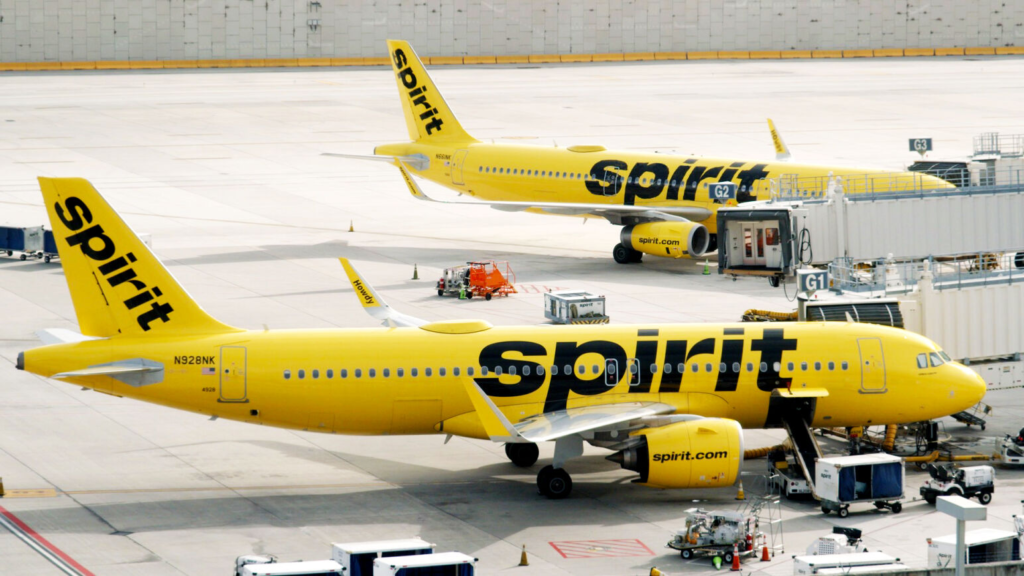
Chapter 11 Bankruptcy Filing Details
Spirit Airlines formally filed for Chapter 11 bankruptcy on August 29, 2025, aiming for a thorough restructuring that enhances its position as a leading value carrier in the U.S.
The airline’s parent company, Spirit Aviation Holdings, Inc., submitted voluntary Chapter 11 petitions to the U.S. Bankruptcy Court for the Southern District of New York.
This process allows the airline to reorganize its network, optimize fleet size, and manage costs while ensuring normal operations for customers and employees.
The bankruptcy filing permits Spirit to execute necessary financial and operational changes for long-term success. In recent months, the company has actively engaged with lessors, noteholders, and stakeholders to refine its strategic approach, while discussions for new financing are ongoing.
Spirit has filed motions to maintain regular business operations, assuring passengers can continue to book flights and utilize tickets, credits, and loyalty points as usual.
Employees will continue to receive their wages and benefits, and vendors will be compensated for their services rendered post-filing.
CEO Dave Davis noted that the focus of previous restructuring steps had been on reducing debt and equity levels, but further solutions are essential amidst industry challenges.
The board opted for court-supervised proceedings to comprehensively examine all business facets, ensuring optimal service for customers, staff, and stakeholders.
Spirit is committed to enhancing its low-cost model by pursuing efficiencies and broadening its travel options: Spirit First, Premium Economy, and Value, allowing passengers to select between affordable and premium experiences while ensuring accessible air travel.
Is this recent restructuring shift by Spirit Airlines concerning for frequent flyers, or does it present an opportunity to adapt to new service models?