Qantas A321XLR Embarks on Its Inaugural Commercial Flights in Australia

SYDNEY- Qantas Airways (QF), Australia’s premier airline, has officially launched its Airbus A321XLR fleet with the commencement of commercial flights. The airline is operating two aircraft on significant domestic routes, marking a notable advancement in regional aviation.
This modern fleet is set to enhance both passenger comfort and operational efficiency. As the inaugural operator in the Asia Pacific region, Qantas is poised to improve connectivity across Australia and beyond.
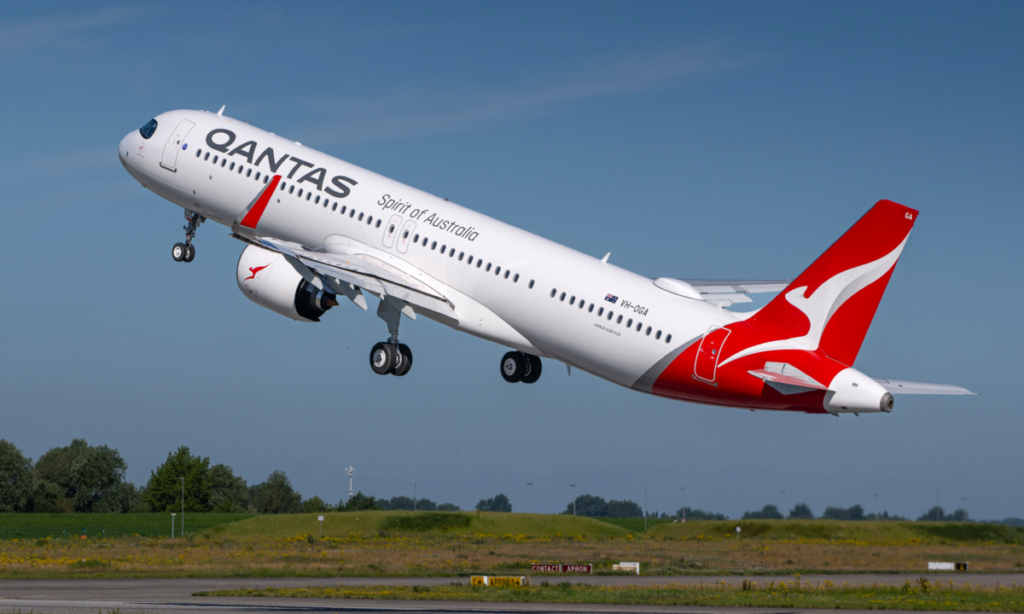
Qantas A321XLR First Commercial Flights
On September 25, 2025, Qantas (QF) officially began operations with its first two Airbus A321XLR aircraft.
The planes, named ‘Great Ocean Road’ (VH-OGA) and ‘Outback Way’ (VH-OGB), took off from Sydney Kingsford Smith Airport (SYD). ‘Great Ocean Road’ serves the Sydney (SYD)-Melbourne (MEL) route, while ‘Outback Way’ flies to Perth Airport (PER).
This launch highlights Qantas’s dedication to updating its fleet for a more sustainable future.
The A321XLR features a wider cabin, taller ceilings, and larger windows than earlier narrowbody aircraft. The seating provides more legroom, with fast, free Wi-Fi available for passengers.
Moreover, baggage capacity increases by 60% compared to Qantas’s Boeing 737s, simplifying travel logistics. Fuel efficiency is significantly better, resulting in reduced emissions per passenger on comparable routes compared to the 737-800.
Vanessa Hudson, CEO of Qantas Group, emphasized the importance of these aircraft in fleet renewal. She noted that over 350 training flights and 40,000 hours of preparation have been undertaken to ensure a smooth transition.
This initiative involves thousands of pieces of equipment across the network. Hudson pointed out that the A321XLR enhances customer satisfaction, building upon improvements from the recent introduction of the A220.
The aircraft can cover a distance of up to 8,700 kilometers, surpassing the range of the 737-800 by 3,000 kilometers. This capability allows for direct flights to Southeast Asian destinations that were previously not viable with existing narrowbody planes.
Furthermore, it supports both domestic and short-haul international routes, strengthening economic connections.
Fleet Expansion and Strategic Orders
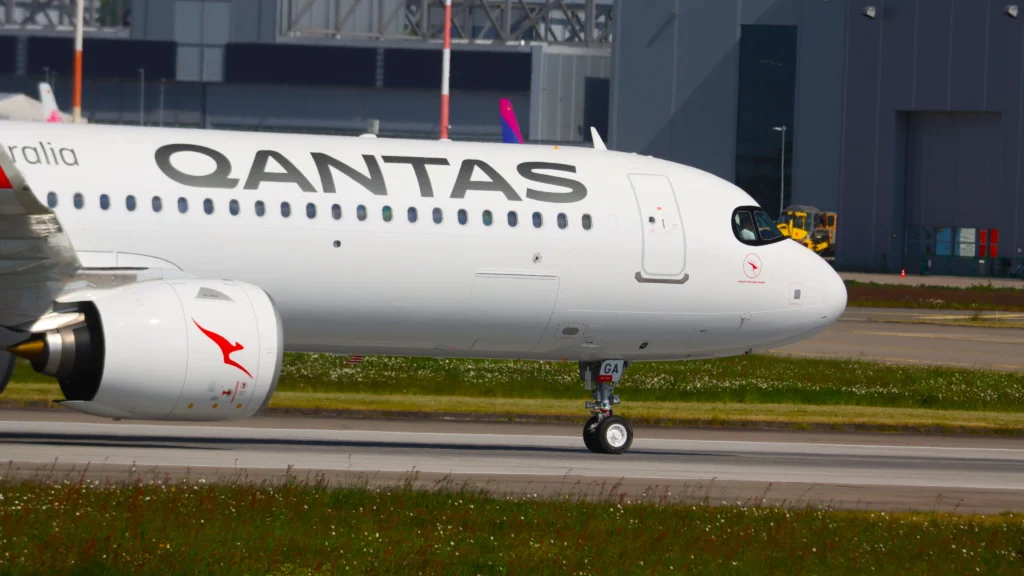
Qantas is aiming for rapid growth in its A321XLR fleet. The third aircraft is scheduled to arrive in November 2025, with a plan to expand to seven by June 2026.
In August 2025, Qantas placed an order for 20 additional units, featuring lie-flat Business seats on 16 of them for use on transcontinental and medium-haul routes. This brings the total order to 48 aircraft.
This expansion is part of Qantas Group’s largest fleet renewal initiative, encompassing over 200 firm orders from Airbus and Boeing.
Options included in the order allow for flexibility in response to shifts in demand. This strategy focuses on efficiency and customer experience as travel volumes rise.

Technical Specifications and Innovations
The Qantas A321XLR measures five meters longer than the 737-800 and can accommodate 197 passengers: 20 in Business and 177 in Economy.
This configuration results in a 13% increase in passenger capacity without compromising seat pitch, while the Business class capacity expands by 66%. The aircraft is powered by Pratt & Whitney PW1100G-JM geared turbofan engines.
Utilizing advanced lightweight materials and innovative designs minimizes fuel consumption and reduces emissions per passenger on similar routes. The model also boasts next-generation technologies to ensure quieter operations and a lower environmental footprint.
Qantas honors Australian trails, rivers, and roads by naming its A321XLRs accordingly, showcasing the country’s beautiful landscapes and fostering connectivity.
Future Connectivity
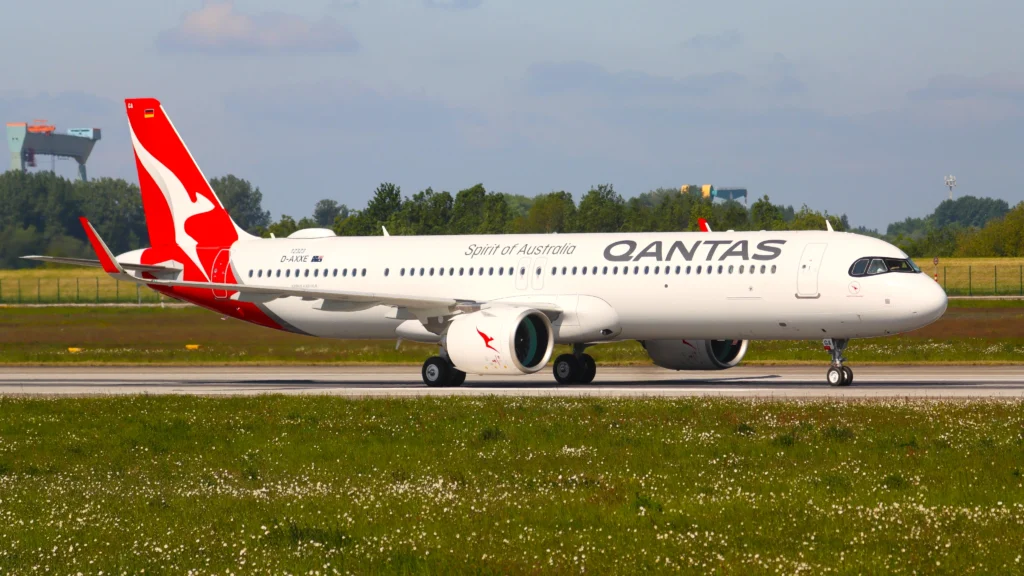
The A321XLR facilitates new direct routes, enabling travel from Perth (PER) to eastern cities without layovers. It aims to enhance short-haul services to Southeast Asia, eliminating the need for lengthy connections. Additionally, domestic routes will see increased frequencies and improved comfort, attracting more leisure and business travelers.
This fleet expansion reinforces Qantas’s status as the foremost operator of the A321XLR in the Asia Pacific region, ranking fourth globally.
Moreover, it contributes to broader sustainability objectives, aligning with Qantas’s goal of achieving net-zero emissions by 2050.
What aspects of the new Qantas A321XLR fleet are you most excited about?