Air India’s Boeing 787 Activates RAT Prior to Arrival at UK Airport

BIRMINGHAM- On October 4, 2025, a Boeing 787-8 operated by Tata Group’s Air India (AI) was en route from Amritsar (ATQ) to Birmingham (BHX) when its ram air turbine (RAT) was unexpectedly deployed just before landing. Fortunately, the aircraft landed without issues, and no technical problems were noted during the flight.
The plane is currently stationed at Birmingham (BHX) for comprehensive inspections, while the return service AI 114 to Delhi (DEL) has been canceled. Air India confirmed that all electrical and hydraulic systems were functioning normally at the time of the RAT deployment.
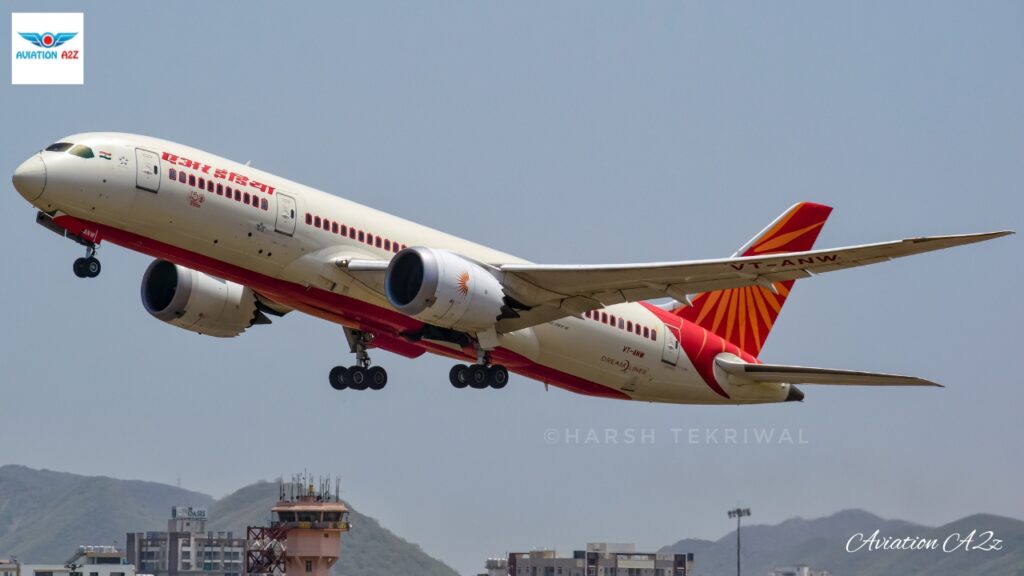
Air India 787 RAT Deployment
The ram air turbine (RAT) is an emergency power device designed to activate either manually or automatically during significant electric or hydraulic failures.
This device generates essential power to maintain flight controls, navigation, and communication when other power sources are unavailable. In this incident, the RAT deployed during the final approach, even though the aircraft’s systems displayed no signs of malfunction.
Air India engineers are conducting a thorough technical assessment to discover the cause of this anomaly. They will determine if it resulted from a sensor issue, mechanical malfunction, or software anomaly.
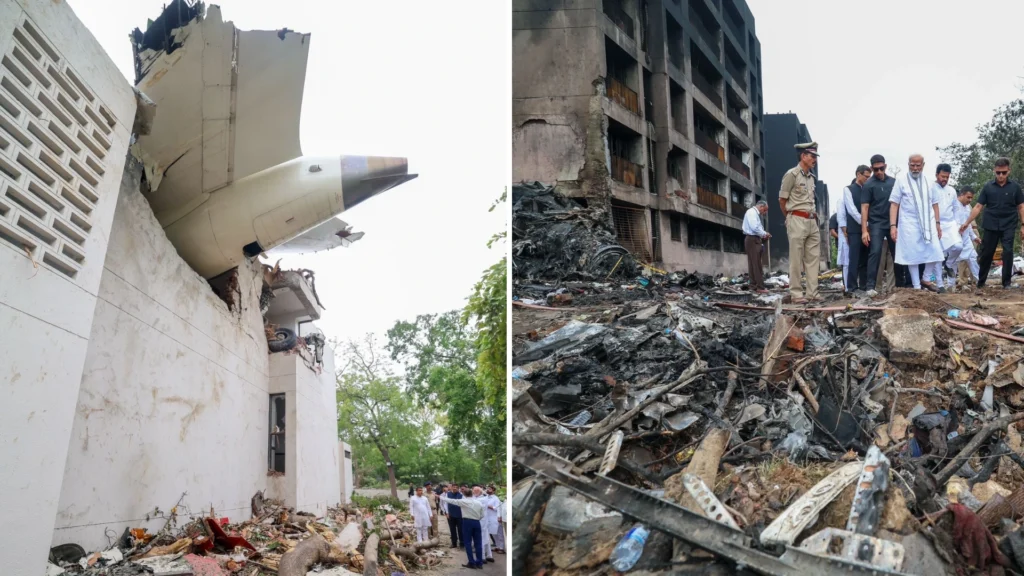
Incident Context and Safety Measures
This unusual event follows heightened awareness surrounding RAT systems after a tragic incident involving an Air India Boeing 787-8 in Ahmedabad (AMD) on June 12, 2025, which resulted in 260 fatalities.
The preliminary investigation revealed that the RAT was deployed shortly after takeoff when both engines failed due to a fuel control switch issue. This incident has prompted ongoing investigations.
Given the background, the latest incident at Birmingham (BHX) has piqued the interest of safety experts and regulators alike.
While the deployment of the RAT did not jeopardize passenger safety, its unexpected activation during normal flight conditions is concerning and merits a detailed review.
Air India’s Official Statement
According to a spokesperson from Air India, the flight crew detected the RAT’s deployment during the final approach but successfully completed the landing.
Post-landing inspections showed that all systems were functioning normally. The airline reiterated its commitment to prioritizing the safety of passengers and crew.
The grounded aircraft, registered as VT-ANO (12.2 years old), will undergo extensive technical evaluations before it is cleared for service. In the meantime, passengers affected by the canceled flight AI 114 have been provided with alternative arrangements.
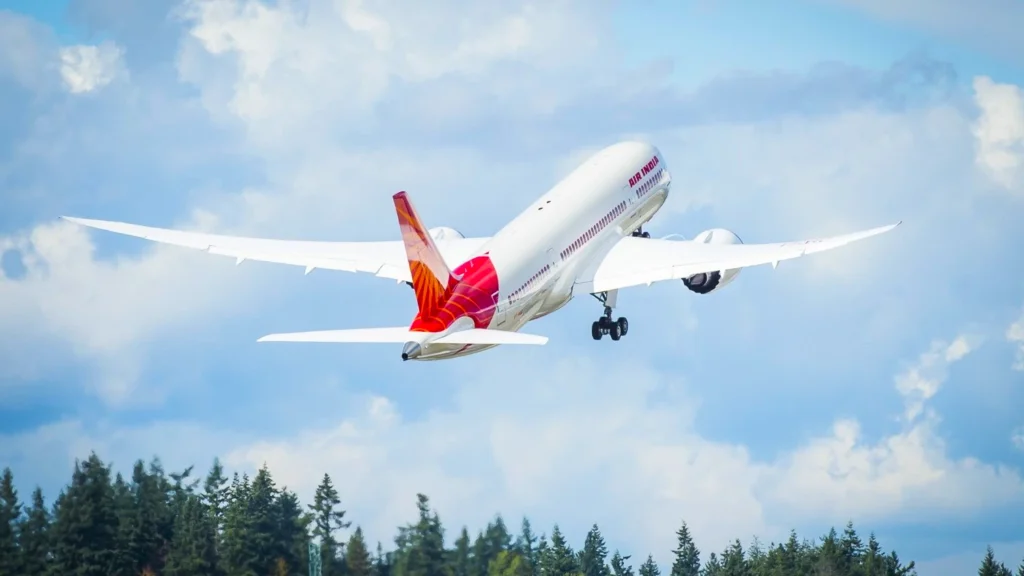
Understanding the Ram Air Turbine
In aircraft like the Boeing 787, the RAT is typically stored underneath the fuselage until necessary. When activated, it uses aerodynamic pressure to spin a small turbine, which generates hydraulic or electrical power for critical systems.
While premature RAT deployment is uncommon, it requires careful study, as it could indicate potential sensor or system issues.
Flight tracking confirms that the affected aircraft left Amritsar (ATQ) at 1:07 pm IST and arrived in Birmingham (BHX) at 7:00 pm local time without additional incidents.
What are your thoughts on the safety measures in modern aviation systems?