World’s Largest Air Force Sets Up Independent Drone Squadrons

WASHINGTON— The US Air Force (USAF) is set to launch independent squadrons dedicated to its fleet of collaborative combat aircraft (CCA), signifying a significant transformation in its drone integration strategy.
During his confirmation hearing before the Senate Armed Services Committee, Gen. Kenneth Wilsbach, who is nominated to be the next Chief of Staff, outlined the plan.
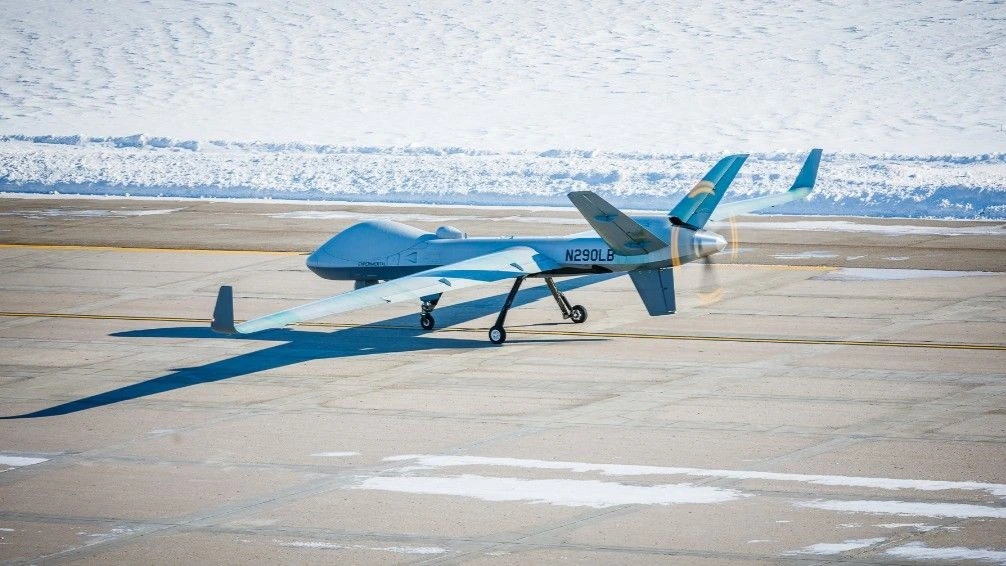
US Air Force Drone Squadrons
CCAs are semi-autonomous drones designed to function alongside piloted fighters like the F-35 and the forthcoming sixth-generation F-47.
These aircraft will handle various missions—including reconnaissance, signal jamming, strike operations, and threat diversion—thereby minimizing risks to pilots while enhancing overall combat capabilities.
The Air Force considers CCAs to be crucial force multipliers, providing increased mission endurance and combat reach at a lower financial cost.
Given the limited supply of pilots and traditional aircraft, CCAs are expected to add strategic depth, allowing for power projection across multiple theaters without the need for additional personnel.
Last year, General Atomics Aeronautical Systems and Anduril were selected by the Air Force to construct the first CCAs.
The YFQ-42A prototype from General Atomics started flight testing in August, whereas Anduril’s YFQ-44A is expected to take flight later this month.
A New Force Structure
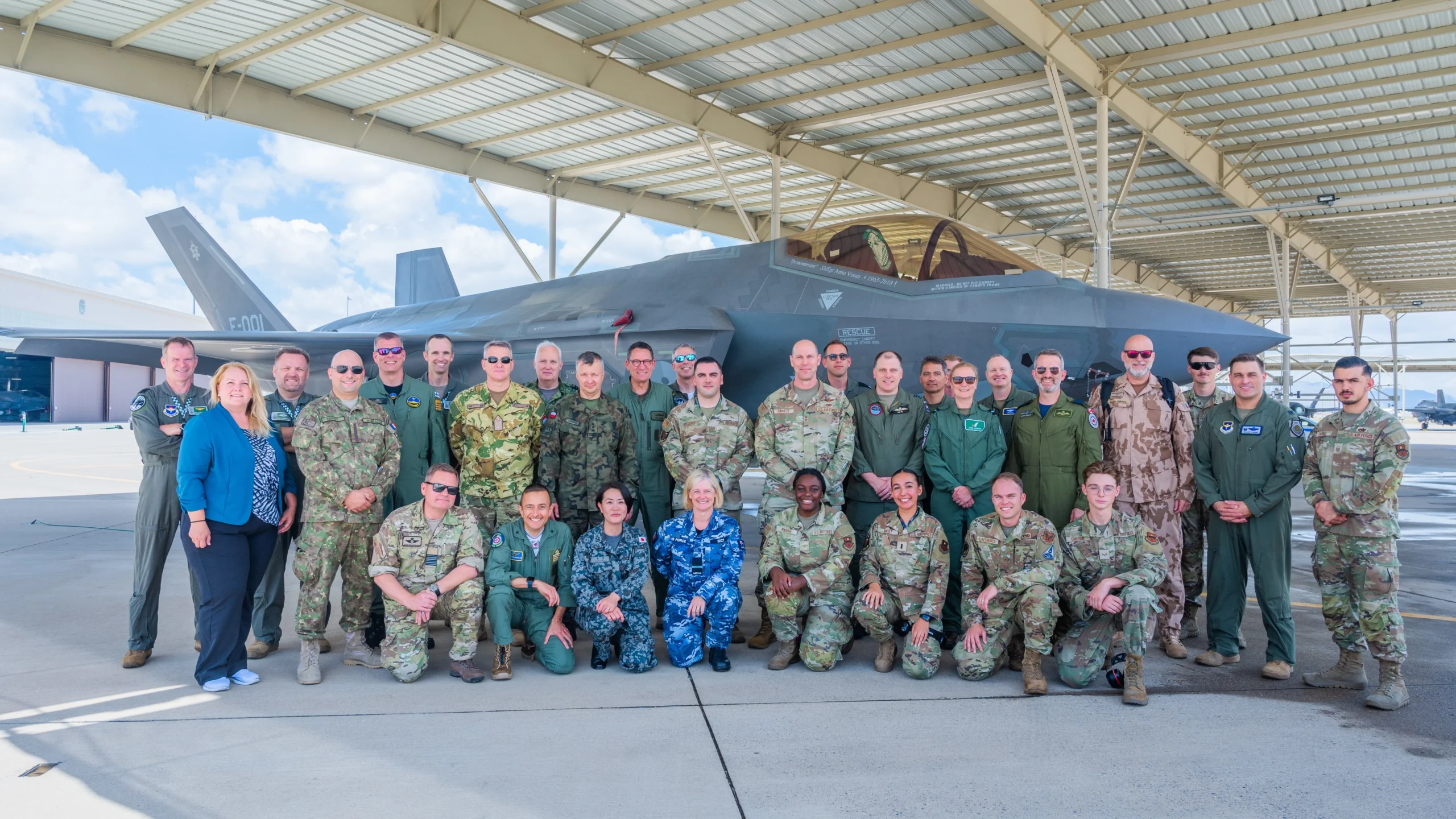
Wilsbach clarified that CCAs will not be integrated into existing fighter squadrons; they will have their own distinct units. He also mentioned that a strategic basing process is planned to ensure these new squadrons are effectively distributed.
Senator Gary Peters from Michigan, which is home to the Selfridge Air National Guard Base, called the CCA initiative transformative, emphasizing its potential to enhance lethality while reducing risk to manned aircraft.
He expressed optimism that this technology would be implemented across the Air Force’s active, reserve, and guard components.
Ground tests for both drone variants have been ongoing since May, following the establishment of the first CCA readiness unit at Beale Air Force Base in California.
This unit is tasked with maintaining the CCAs in a “fly-ready” state, ensuring that they can be rapidly deployed as needed.
Future Deployment and Vision
The establishment of independent drone squadrons signifies the Air Force’s commitment to autonomous aviation and technological advancement.
Selfridge Air National Guard Base is already scheduled to receive KC-46A Pegasus tankers and F-15EX Eagle II fighters and may also eventually welcome CCAs.
Peters praised the CCA initiative for staying “on schedule and on budget,” labeling it a benchmark for productive collaboration between the Air Force and the defense sector.
Analysts indicate that the introduction of CCA squadrons will enable flexible deployment and independent command structures, allowing for integration with various manned platforms in future operations.
Bottom Line
Creating dedicated CCA squadrons is a groundbreaking step in the U.S. air power strategy.
By decoupling drone operations from conventional fighter units, the Air Force is preparing for an era of hybrid air combat, where human pilots and autonomous systems cooperate to achieve air superiority with lowered costs and risks.
What are your thoughts on the impact of these new drone squadrons on future military operations?