World’s Largest Air Force Abandons New Capabilities Command Initiative

WASHINGTON- The US Air Force (USAF) has made the decision to scrap its plan for a dedicated command focused on future capability development. Instead, its responsibilities will be integrated into the existing Air Force Futures structure. This change aims to enhance decision-making and expedite airpower modernization.
This organizational shift marks a departure from the earlier plan proposed by former Secretary Frank Kendall and Chief of Staff David W. Allvin. Their vision was to establish an independent Integrated Capabilities Command (ICC) to streamline future requirements and force design. This decision was confirmed by former Air Force Secretary Troy Meink.
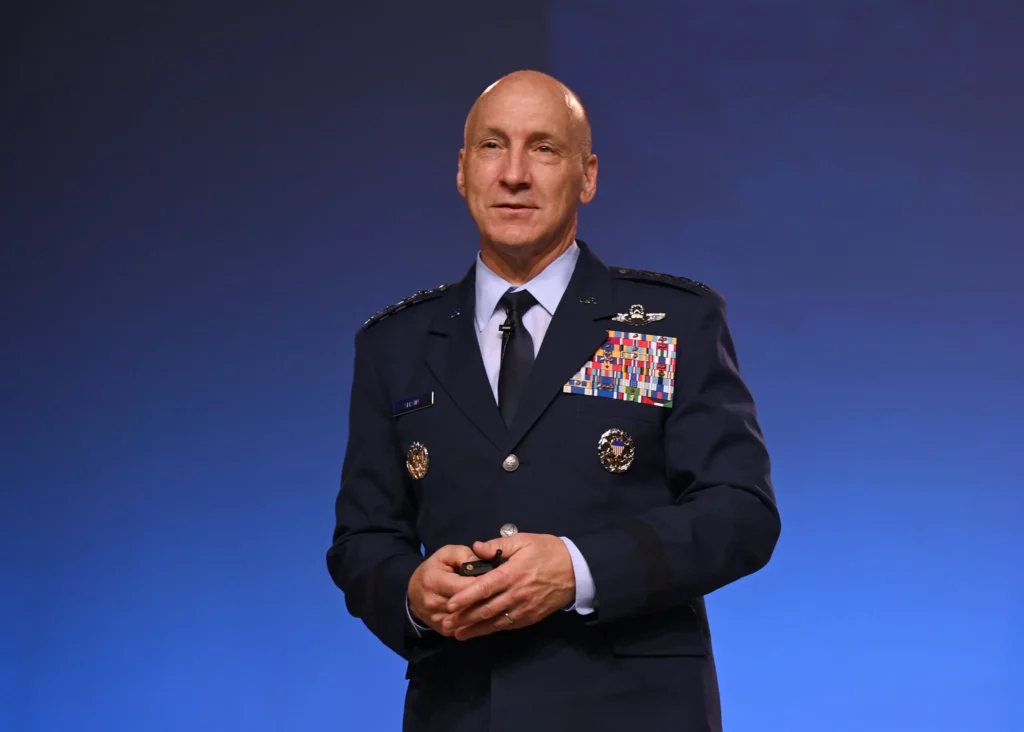
US Air Force Abandons Command Plan
The proposed ICC was part of a larger initiative named “Reoptimizing for Great Power Competition,” which aimed to reshape the USAF to quickly develop capabilities against adversaries like China.
However, the plan encountered challenges by early 2025. In February, Secretary of Defense Pete Hegseth instructed the Department of the Air Force to halt major reorganization efforts, including the ICC.
On October 15, 2025, the USAF officially announced the decision to incorporate the ICC’s roles into Air Force Futures (A5/7) instead of establishing it as a major command.
The rationale behind this move is to “accelerate the delivery of combat power, enhance efficiency, and reduce the decision-making timeline.”
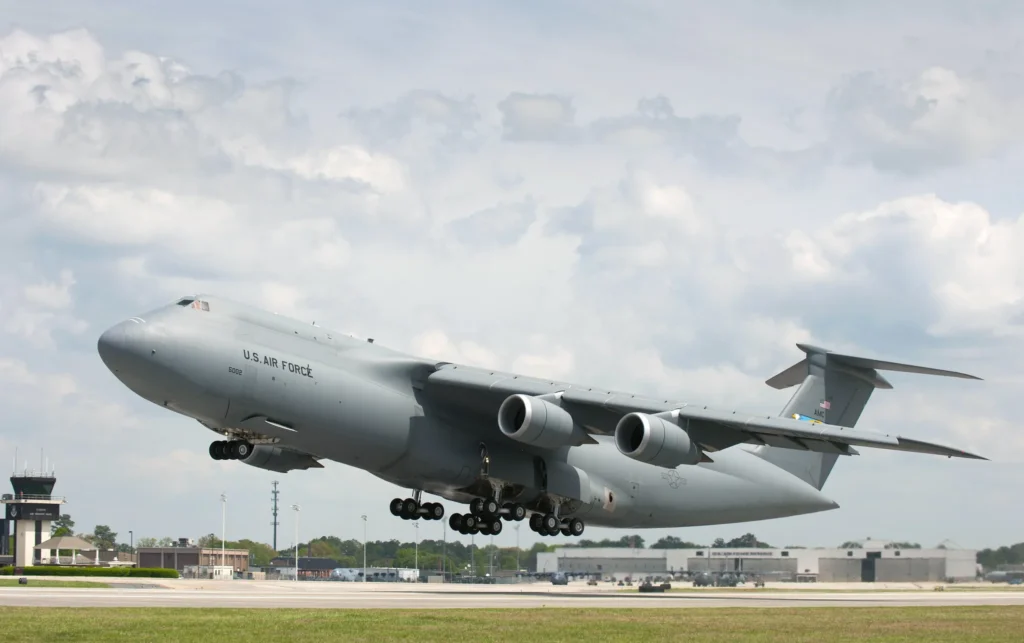
Operational Changes Ahead
The provisional ICC will carry on with its tasks but will fully integrate into A5/7 by April 1, 2026.
A new Chief Modernization Officer (CMO) position will be established within Air Force Futures. This role will oversee strategy and force design, mission integration, capability development, and modernization investment prioritization.
This transition aims to minimize redundant staffing, streamline coordination across commands, and simplify processes.
While Major Commands (MAJCOMs) will maintain their responsibilities, the centralized requirements-setting function that was initially part of the ICC will now reside in A5/7, addressing concerns from MAJCOMs about losing authority over requirements.
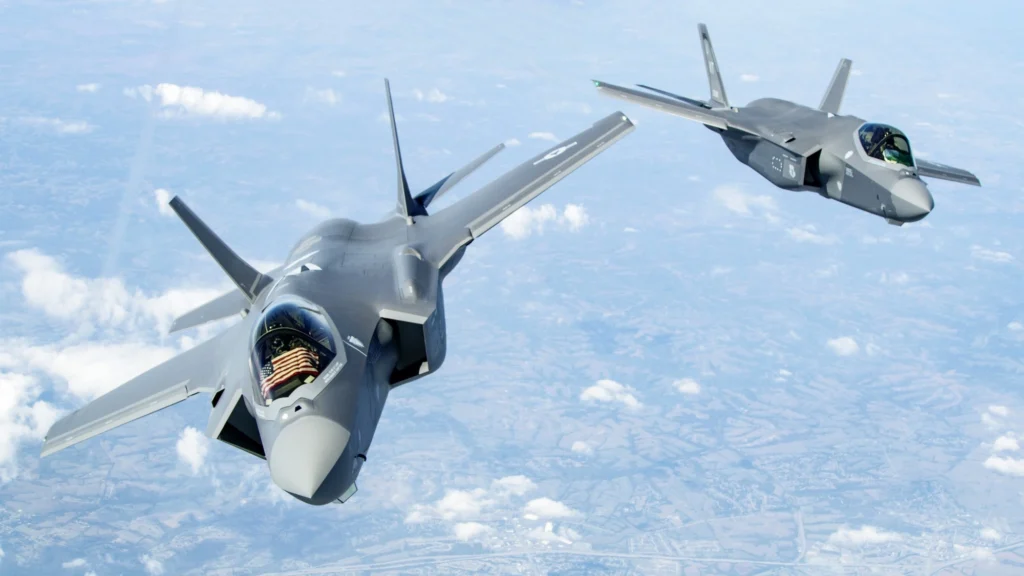
Impact on USAF Modernization
Integrating the proposed command into an existing structure indicates a more gradual and less disruptive reform approach for the USAF.
This decision reflects a cautious stance toward significant organizational change amid ongoing global competition, as noted by reporting from Defense News.
This restructuring could lead to several advantages, such as quicker decision-making, aligned capability prioritization, and reduced overhead costs.
Nevertheless, there are concerns about whether the absence of a distinct command could hinder cultural or structural evolution, or if MAJCOMs will engage fully with the changed requirements-generation role.
Experts maintain that, despite the ICC being put on hold, its objectives—like faster, integrated modernization—will still be pursued. The CMO and the restructuring of A5/7 will play significant roles in achieving these goals moving forward.
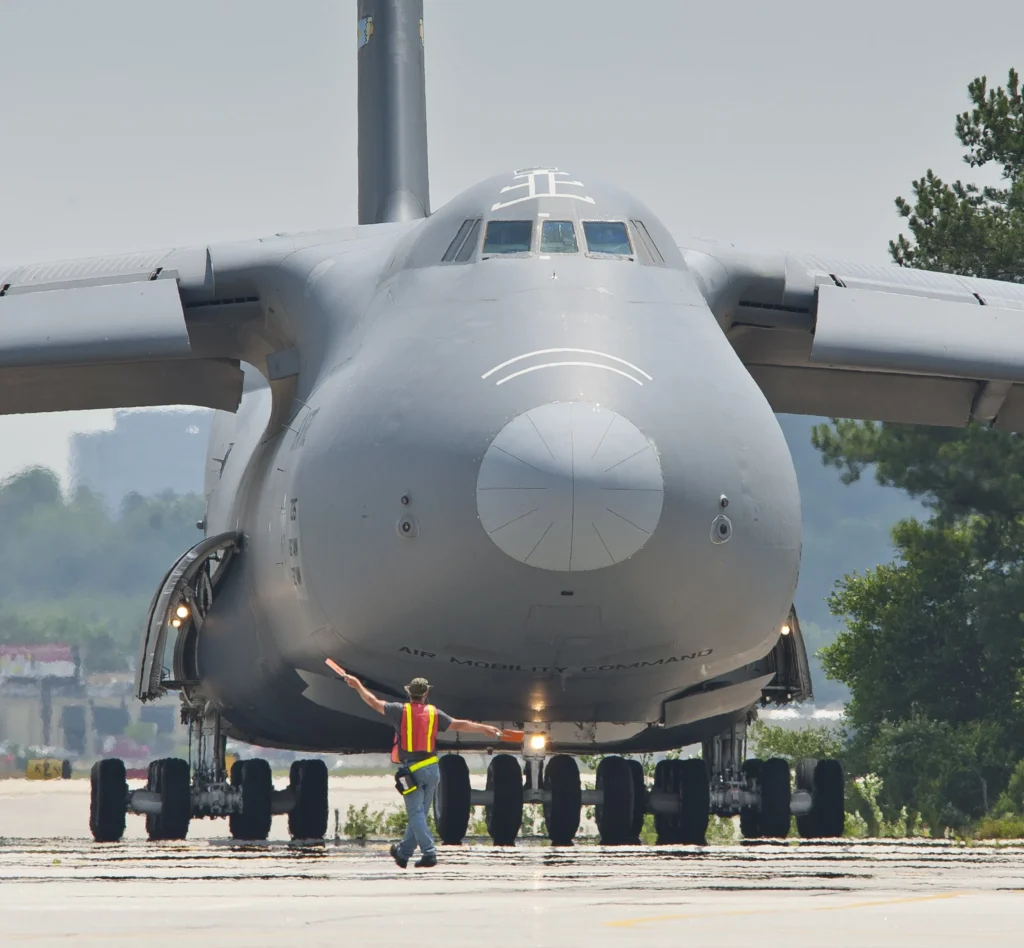
Overview of ICC Concept
In September 2024, Allvin announced the activation of ICC in a provisional role, emphasizing the need to overcome outdated organizational barriers and align USAF modernization efforts.
Initially led by Maj. Gen. Mark Mitchum, the ICC was expected to achieve full operational status by 2025.
However, resistance arose from within the service, as MAJCOMs were concerned about losing their control over requirements. Coupled with the change in Pentagon leadership, the initiative lost traction.
Reorganization Insights for Stakeholders
USAF leadership and personnel: Adaptation to the new CMO position and realigned responsibilities will be essential under A5/7.
Industry and acquisition teams: The integrated demand-signal model proposed for ICC will still be in effect, but communication will now flow through the CMO/A5/7 rather than a separate command.
Congress and oversight bodies: Legislators who scrutinized the ICC’s design will likely find the more modest restructuring less contentious, potentially alleviating funding and authorization concerns.
Warfighting readiness: The focus remains on accelerating combat capabilities in contested environments. The success of these structural changes will ultimately depend on execution at both the staff and operational levels.
Upcoming Steps and Timeline
- All ICC functions are to be fully integrated into A5/7 by April 2026.
- The appointment of the Chief Modernization Officer along with the definition of this role’s authority and staff will follow.
- The provisional ICC will continue to operate in a transitional phase until complete integration is achieved.
- Ongoing evaluations will determine how the restructured A5/7 will oversee capability needs, force design, and mission integration in a unified manner.
What are your thoughts on the implications of this shift for the future of the USAF?