JetBlue Flight Makes Emergency Landing in Tampa, Injuring 15 Passengers

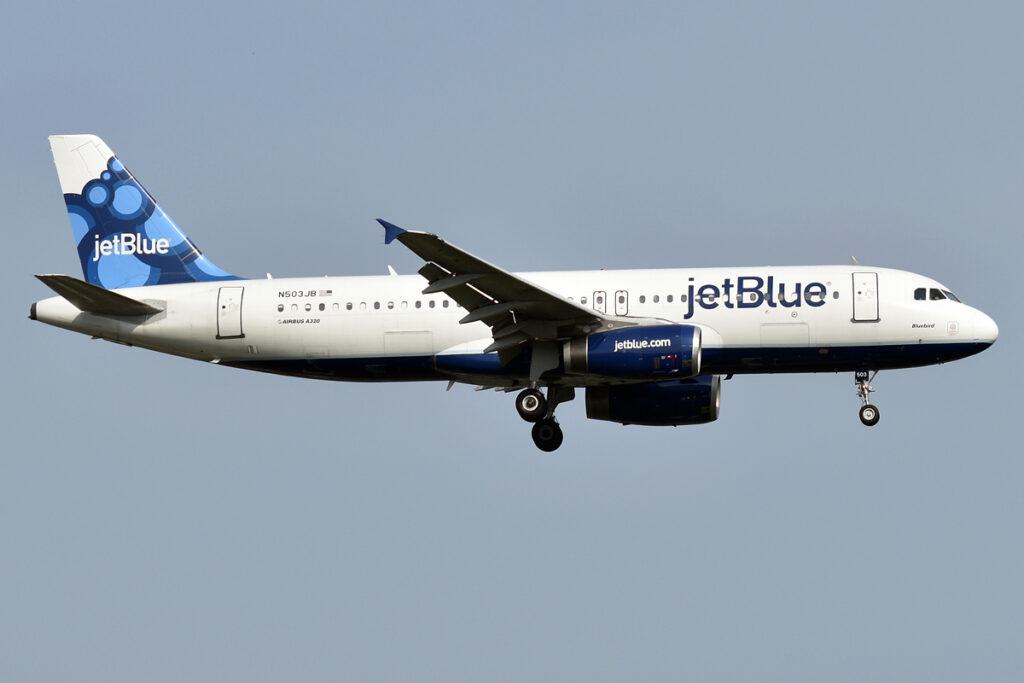
TAMPA– A JetBlue Airways flight had to make an emergency landing at Tampa International Airport after an unexpected altitude drop on Thursday.
Flight 1230, operating an Airbus A320 from Cancún to Newark, landed safely at around 2:19 p.m. ET. Following the incident, 15 individuals were taken to local hospitals for treatment.
Unexpected Altitude Drop
JetBlue reported that Flight 1230 “experienced a drop in altitude” during the flight, which led the crew to declare an emergency and redirect to Tampa International.
Air traffic control recordings indicated that there were injuries on board, including one that involved “a laceration to the head.” Emergency medical personnel were on standby when the flight arrived, providing immediate care to passengers and crew.
According to Tampa Bay Fire Rescue, between 15 and 20 individuals were assessed at the airport, and some were transported to hospitals for further medical attention. The Federal Aviation Administration (FAA) is investigating what was described as a “flight-control issue” on the Airbus A320.

Investigation into Flight-Control Issues
The cause of the altitude drop is still under investigation. While JetBlue has noted it as a flight-control anomaly, authorities have yet to find evidence of mechanical failure or human error.
This incident occurred shortly after a cold front passed through Florida, which brought gusty winds and light rain. No connection has been established between the weather and the altitude drop.
Aviation safety experts emphasize the significance of effective systems, pilot training, and decisive actions in high-pressure situations.
As we approach the hectic holiday travel season, this event sheds light on ongoing operational challenges faced by the aviation industry amid concerns regarding air-traffic staffing.
Next Steps for JetBlue and the FAA
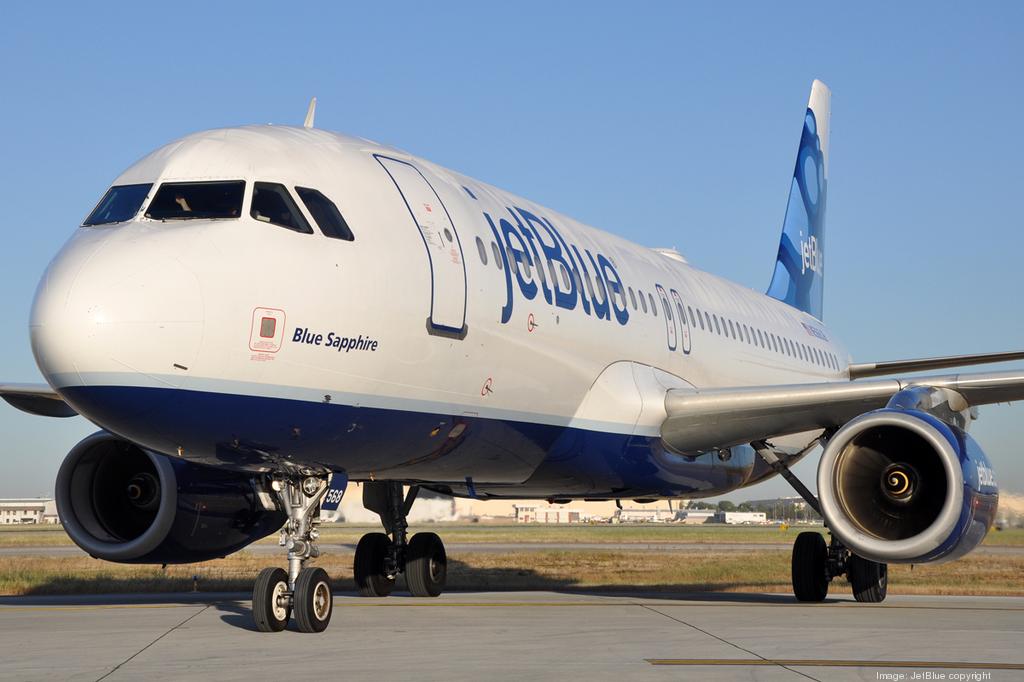
JetBlue has confirmed that the affected aircraft will be thoroughly inspected before being cleared for service again.
The FAA will spearhead the investigation to pinpoint the incident’s cause, while the National Transportation Safety Board (NTSB) may become involved based on the findings.
JetBlue is also working to support the passengers and crew who were affected. Regulators and industry stakeholders are expected to carefully evaluate the outcome to assess the role of maintenance, design, or environmental factors in the incident.
Until the investigation concludes, additional caution is anticipated for similar flights.
A Similar Incident
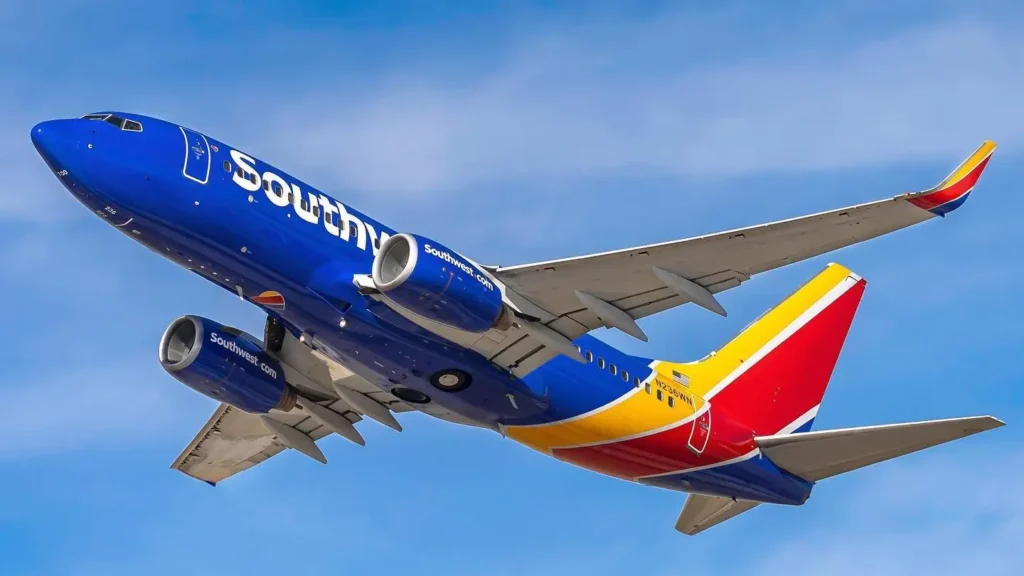
A Southwest Airlines flight narrowly avoided disaster on July 14, 2024, when its Boeing 737 MAX 8 plummeted to an alarming altitude of just 150 feet while still four miles from Tampa International Airport.
The near-miss transpired over Tampa Bay just before air traffic control issued a low-altitude alert. The flight eventually diverted to Fort Lauderdale, landing safely after a tense three-and-a-half-hour journey.
ADS-B data revealed that the aircraft approached Tampa almost three hours after taking off from Baltimore/Washington International. At the dangerously low altitude, any minor mistake could have resulted in a catastrophic event.
Air traffic controllers quickly noticed the anomaly and issued a low-altitude alert:
ATC: “Southwest 425, low altitude alert, check your altitude. Tampa’s altimeter is 30.14.”
Pilot: “30.14, thank you, Southwest 425.”
The interaction suggested that the pilots maintained composure, possibly unaware of their proximity to the surface. They soon initiated a go-around procedure.
After recognizing the controller’s warning, the pilots began to climb. Tampa Tower then told them to cancel their approach clearance and ascend to 1,600 feet.
ATC: “Southwest 425, you plan to go around?”
Pilot: “Yeah, we are, we have to go.”
ATC: “Roger, cancel approach clearance, go around runway 10. Fly runway heading and climb to 1,600.”
Rather than retry the approach, the crew opted for Fort Lauderdale-Hollywood International Airport, landing safely at 7:45 PM local time. No injuries were reported.
Conclusion
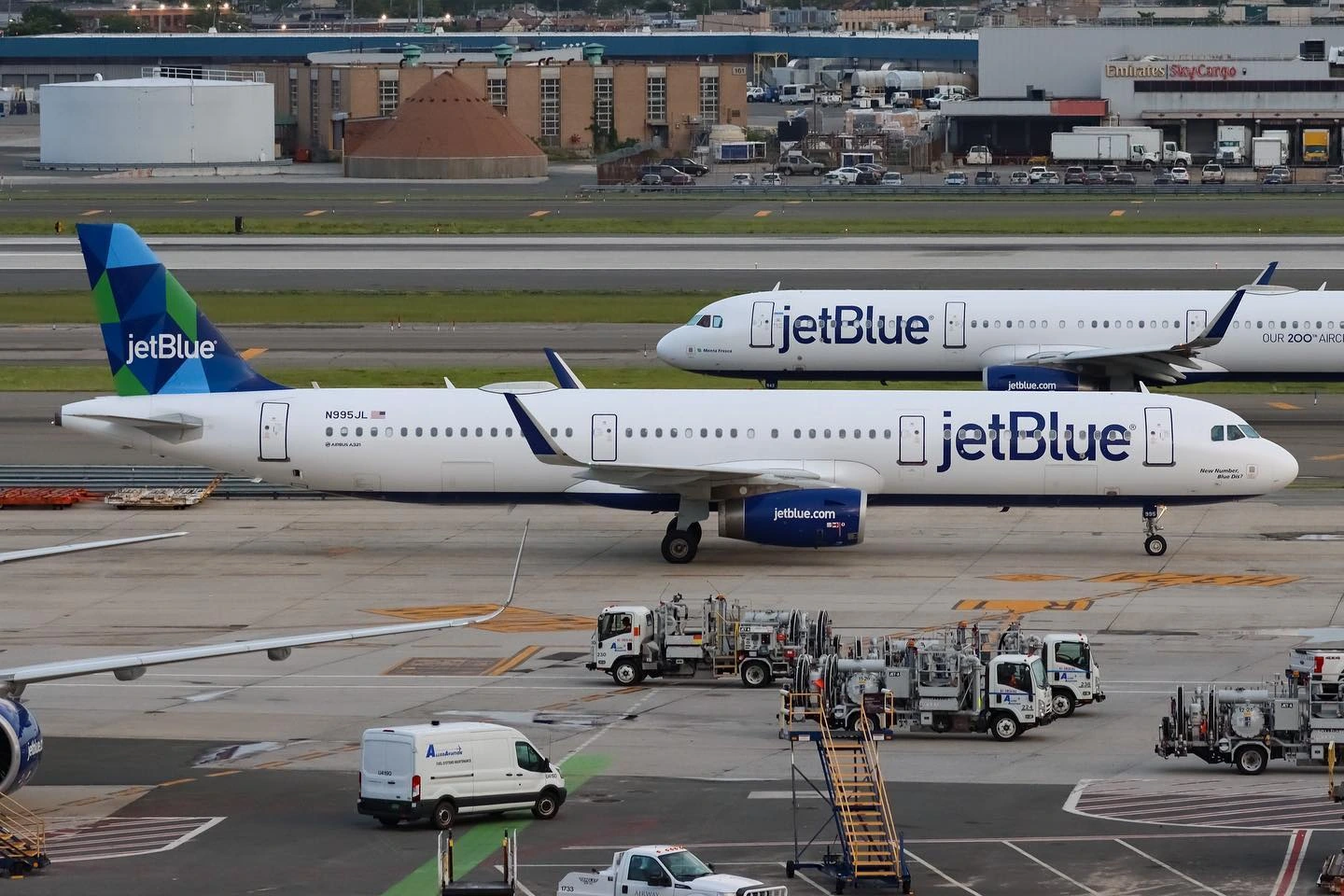
The emergency landing of JetBlue Flight 1230 highlights that even routine flights can face unexpected challenges requiring prompt action.
While fortunately no fatalities were reported, the hospitalization of at least 15 passengers underscores the critical need for ongoing safety measures and efficient crisis management.
With the demand for air travel on the rise, emphasizing aviation safety standards is more important than ever. What are your thoughts on this incident and its implications for air travel safety?