Columbus Bound: American Airlines Flight Diverts Due to Windshield Crack

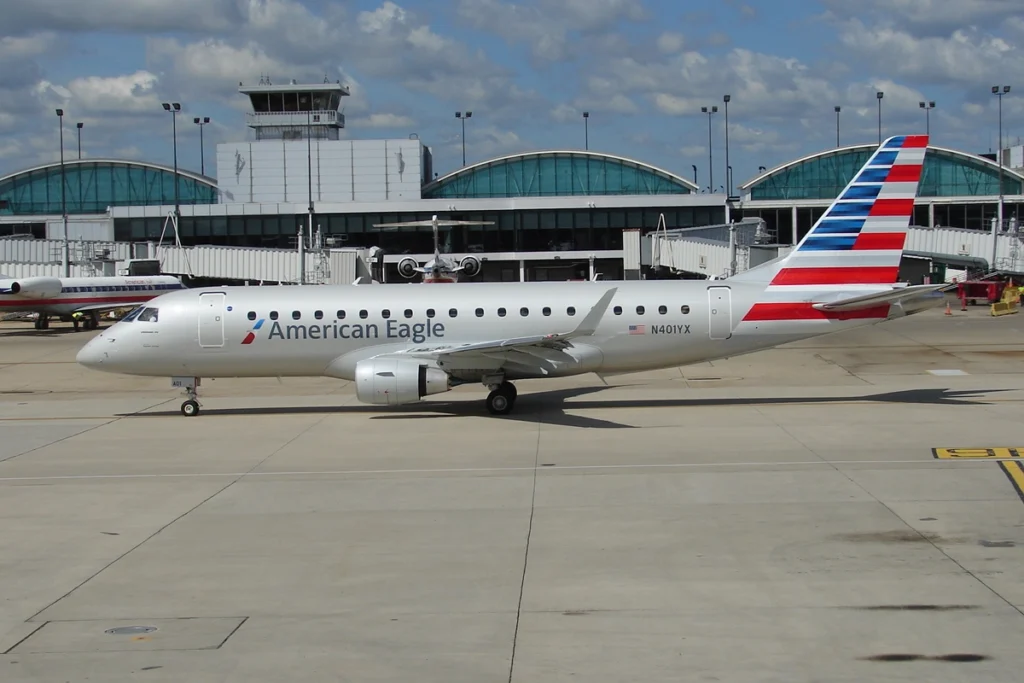
WASHINGTON— American Airlines (AA) flight 4435, handled by Republic Airways, was travelling from Chicago O’Hare International Airport (ORD) to Ronald Reagan Washington National Airport (DCA) when it made an unplanned landing at Columbus Airport (CMH) on Monday night, due to a cracked cockpit windshield.
The Embraer E175 regional jet left Chicago almost two hours late, facing delays caused by air traffic. During the flight, the crew detected a crack in the outer layer of the cockpit windshield, prompting the aircraft to divert for safety, landing in Columbus where passengers were transferred to another plane.
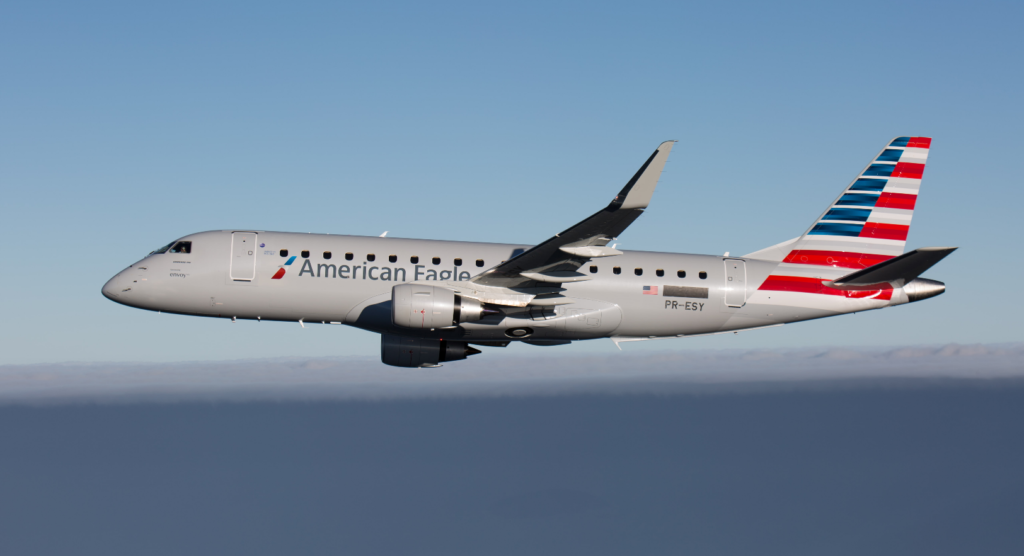
American Airlines Windshield Issue
Flight 4435, operating under the American Eagle banner, took off from Chicago at 9:26 p.m. after delays due to congestion. While on course to Washington, the flight crew observed a crack in the cockpit windshield on the first officer’s side.
Following established safety protocols, the pilots declared an emergency and collaborated with Columbus Air Traffic Control to ensure a safe landing.
Air traffic communications indicated that the crack was confined to the outer layer of the windshield, with the inner pane intact, thereby preserving cabin pressure.
The crew managed a controlled descent, opting against emergency vehicles on the runway. The plane touched down at Columbus Airport (CMH) shortly after 11 p.m.
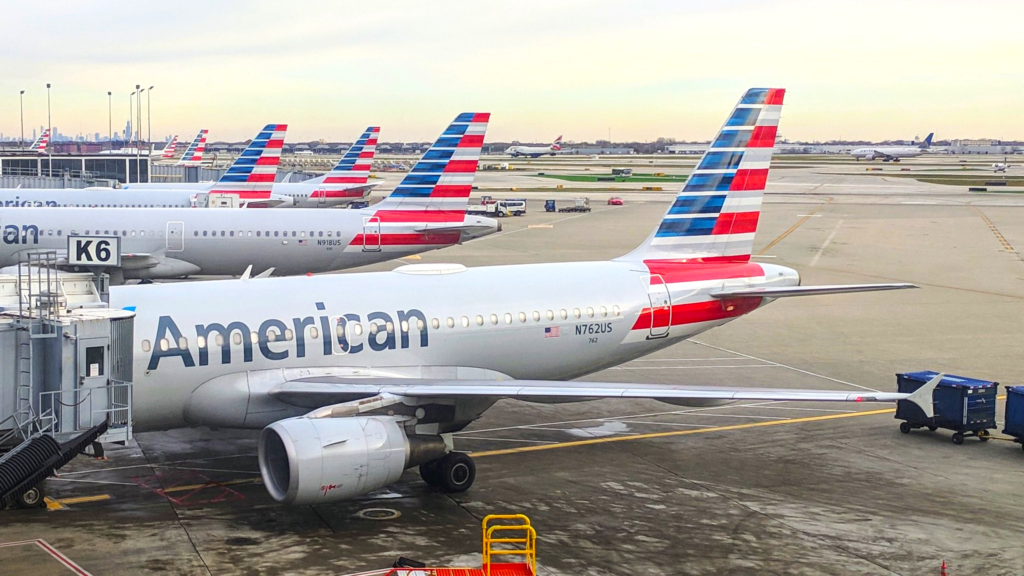
Passengers Continue to D.C. After Aircraft Swap
After landing, American Airlines confirmed the aircraft would undergo a comprehensive inspection.
Passengers were then moved to a replacement plane that departed Columbus at 2:19 a.m. and arrived in Washington, D.C. by approximately 3 a.m.
The airline’s official statement indicated the flight “experienced a mechanical issue with the windscreen and landed safely in Columbus as directed.”
Understanding Windshield Safety in Modern Aircraft
Cockpit windows in airplanes are multi-layered and designed to ensure safety, even when one layer is compromised. In the case of the American Airlines incident, the remaining layers maintained cabin pressure and structural integrity until the aircraft landed.
This situation reflects how robust aircraft design allows for safe operations, even during emergencies involving cockpit windows.
While occurrences like these are rare, they reinforce the effectiveness of safety systems in aviation. For instance, a recent United Airlines incident involving a cracked windshield also showcased efficient protocols that allowed for a safe landing despite the issue.
Aircraft Background and Maintenance History
The Embraer E175 involved was previously part of the former US Airways regional fleet. Previous records indicate it has faced minor issues typical of regional jets, such as bird strikes and electrical odor concerns.
The aircraft will remain on the ground for a thorough inspection and necessary repairs before returning to service.
Similar Incident
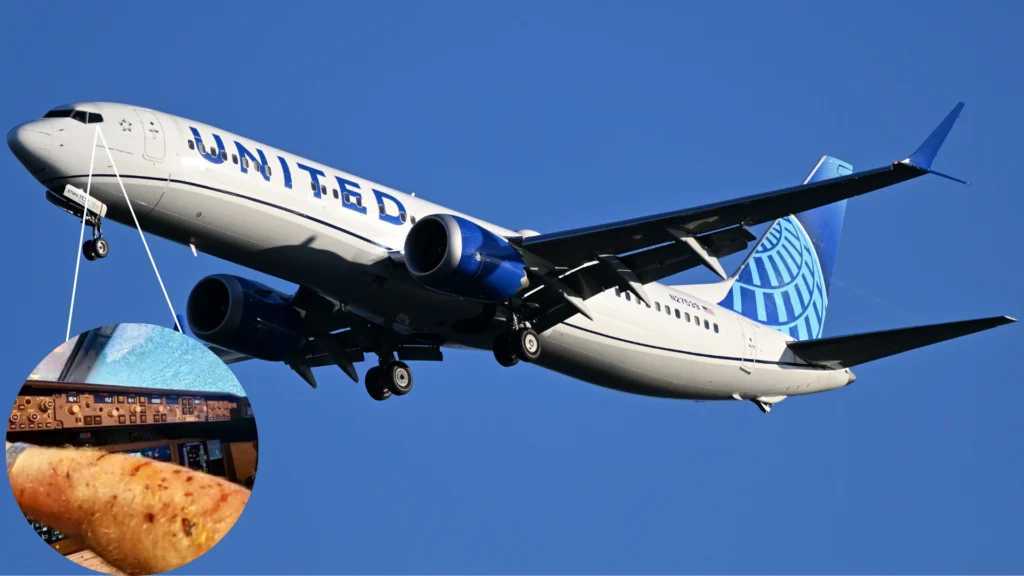
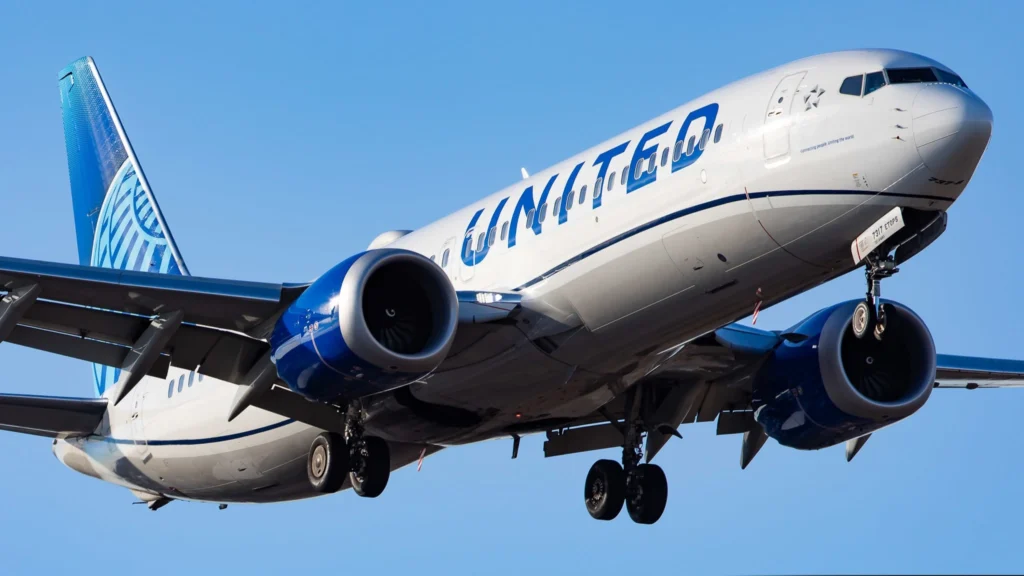
A recent incident involving a United Airlines (UA) Boeing 737 MAX raised concerns when it was struck by a weather balloon while flying from Denver (DEN) to Los Angeles (LAX). This aircraft was forced to divert to Salt Lake City (SLC) after its cockpit window shattered, injuring the Captain.
Federal investigators are currently looking into how this high-altitude balloon intersected with the aircraft’s flight path. Confirmations from WindBorne Systems, the balloon’s operator, indicate that one of their units was likely involved.
Investigators Probe Possible Balloon Strike Over Utah
WindBorne Systems focuses on the collection of weather and climate data using long-duration balloons. Upon learning of the incident, they initiated an internal review, stating that they follow all FAA regulations for balloon operations.
According to their co-founder, the organization is dedicated to minimizing collision risks, even in unusual circumstances. “Safety systems are designed to ensure no danger to human life, and no depressurization took place during the incident,” he commented.
During the flight (UA1093), the crew identified an unidentified object near the cockpit at an altitude of 36,000 feet. This object struck the first officer’s windshield, breaking both layers and causing debris to scatter throughout the cockpit. Despite the arm injury sustained by the Captain, control was maintained, leading to a safe diversion to Salt Lake City International Airport.
Safety and Regulatory Response
The FAA and NTSB are collaborating with WindBorne to determine if their weather balloon caused the cockpit incident. While the focus shifted from other possible causes, data indicated the balloon’s presence at the time of the occurrence.
Experts note that although weather balloons are frequent in research, occurrences involving them and commercial air traffic are rare. The FAA may assess whether current regulations suffice as balloon operations grow.
What are your thoughts on the safety protocols in modern aviation?