Air India Faces DGCA Investigation for A320 Operation Lacking Certification

DELHI- Air India (AI) has come under scrutiny after operating an Airbus A320 on eight domestic flights with an invalid airworthiness certificate. The airline has not disclosed the specific airports involved in these operations.
This oversight was uncovered after the aircraft completed several trips, leading to its immediate grounding and a regulatory investigation by the Directorate General of Civil Aviation (DGCA).
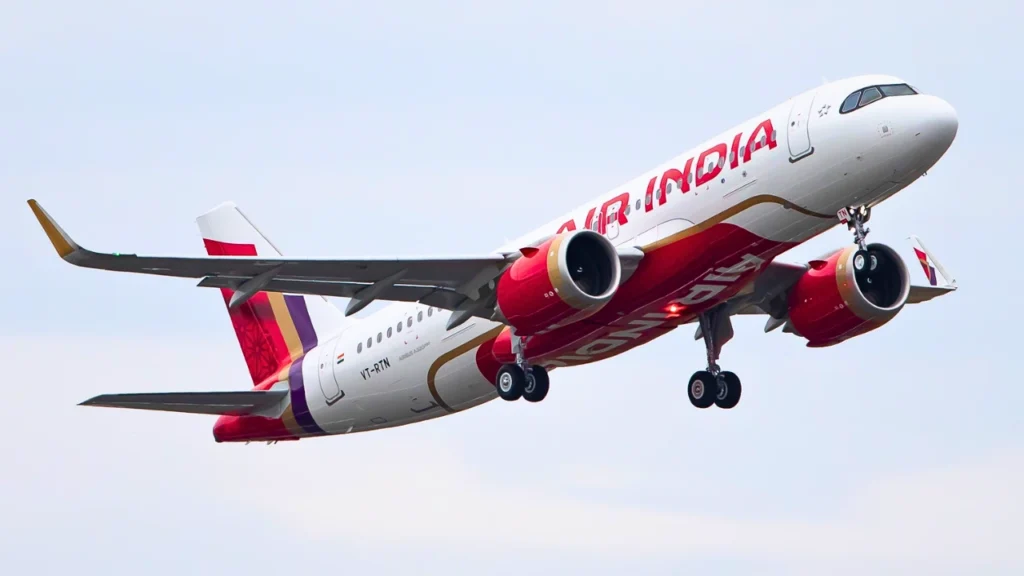
Airworthiness Lapse of Air India A320
The issue revolves around an Airbus A320, equipped with 164 seats, which continued commercial operations after its Certificate of Airworthiness expired.
This lapse was identified only after the aircraft had flown on November 24 and 25. Following the incident, the DGCA launched a comprehensive review to understand how the plane had been allowed to operate without valid certification.
These certificates are renewed annually, contingent upon satisfactory completion of maintenance checks. Operating an aircraft absent this documentation is considered a serious violation, which may result in significant repercussions, including penalties and potential suspension of responsible senior staff.
In response, Air India has suspended all personnel involved in the aircraft’s release and grounded the A320 until the investigation is complete. This situation may also jeopardize the airline’s standing with aircraft lessors, as operating without valid documentation could affect insurance coverage.
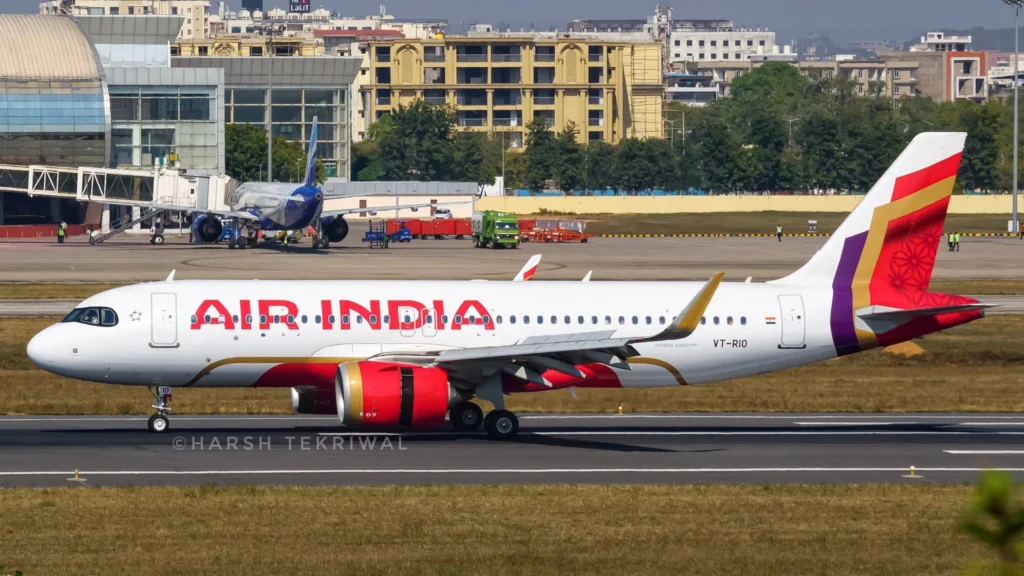
Regulatory and Operational Consequences
Regulatory authorities routinely conduct inspections, yet operators must ensure full compliance with airworthiness standards at all times. Government officials have described this oversight as a critical breach that compromises flight safety. Air India has informed the DGCA about the situation and initiated its own internal investigation.
Experts have highlighted that modern maintenance systems typically make it challenging to overlook certificate renewal deadlines. Air India has a Continuing Airworthiness Management Organisation that monitors compliance tasks to prevent such issues.
The fact that this aircraft was allowed to fly eight times without detection raises serious concerns regarding the airline’s quality control measures and adherence to standard procedures.
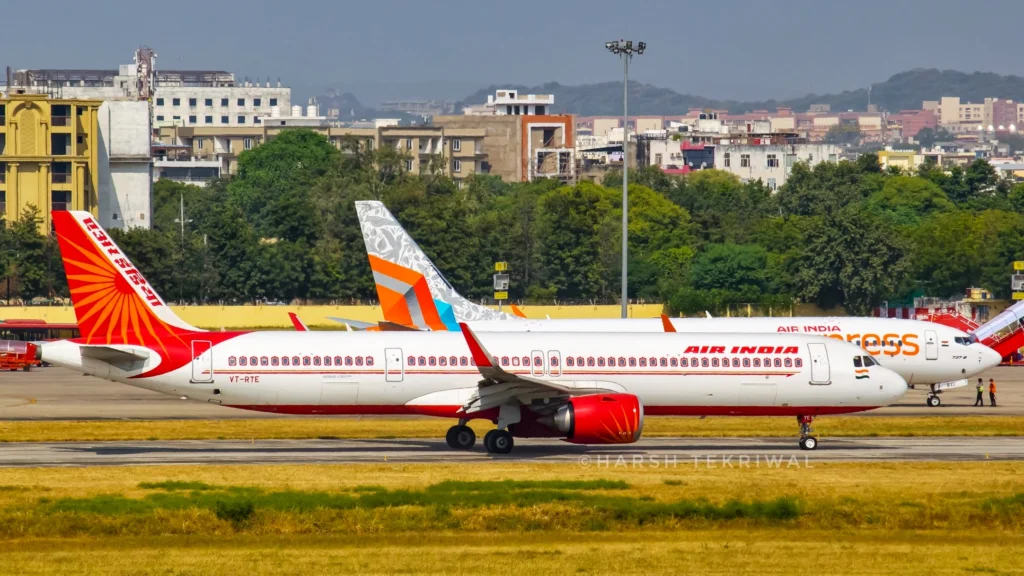
Recurring Issues
The DGCA may classify this incident as a Level 1 violation, indicating the severity of the safety-related failure. This follows previous cases where components were used beyond their operational limits. Past measures included issuing show-cause notices to senior management and suspending the head of engineering quality.
These ongoing challenges suggest that the airline is navigating significant operational hurdles under Tata Group’s ownership. To bolster engineering governance, Air India has engaged specialists from Singapore Airlines.
Jeremy Yew from Singapore Airlines Engineering Services has begun working with Air India, and additional experts are expected to join as part of the organizational overhaul.
As Air India strives to enhance its quality assurance processes and address compliance issues, regaining passenger trust following several operational difficulties remains a top priority. Improving documentation controls and reinforcing engineering oversight are now crucial elements of their strategy.
Will Air India successfully rebuild confidence and strengthen its operations moving forward?