American Airlines Boosts Chicago Presence Amid Intensifying Rivalry with United

FORT WORTH- American Airlines (AA) has been making substantial strides at Chicago O’Hare International Airport (ORD). The airline is adding more flights, securing gate access, and ensuring better on-time performance, all while facing scrutiny from its main rival.
American remains optimistic that O’Hare will provide long-term growth and profitability.
Even though United Airlines (UA) operates the largest schedule at O’Hare, the overall increase in traffic and demand indicates that both airlines can function effectively as major hubs.
The competitive banter has not hindered American’s growth in Chicago; instead, it has solidified their operational and financial commitments to the region.
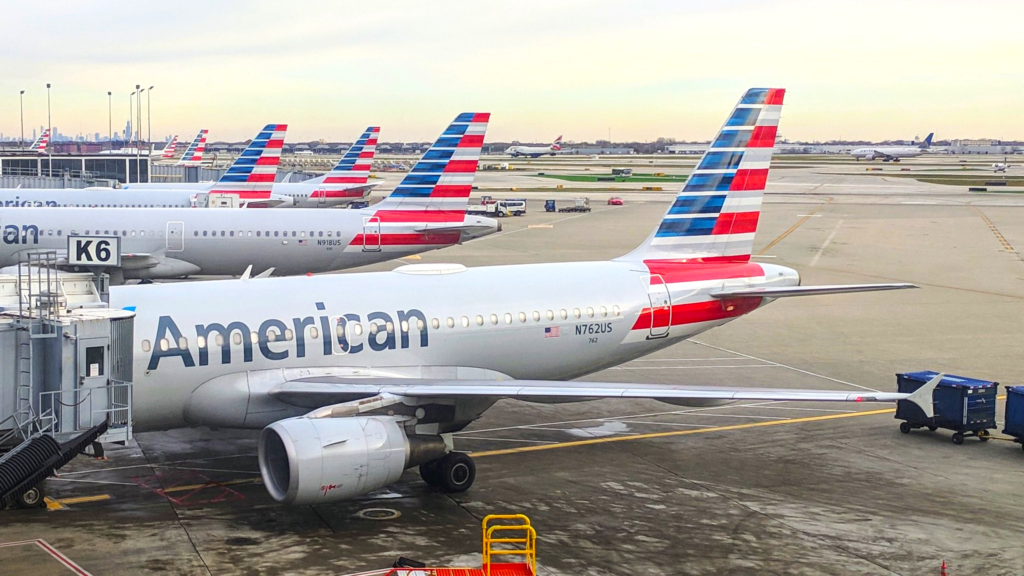
American Airlines at Chicago O’Hare
Chicago O’Hare has turned into a pivotal battleground for established airlines, with American and United both focusing on fleet enhancements and expanding their schedules to boost premium travel revenue.
American has increased its flights from O’Hare by 20 percent over the past year, marking the highest growth rate among legacy hubs, according to Ben Humphrey, Vice President for Chicago O’Hare.
Before joining American, Humphrey spent 27 years at Delta, including most recently as vice president of operations in Minneapolis–St. Paul.
This growth reflects a strategic pivot from a post-pandemic focus on Southeastern destinations to renewed capital towards Northern hubs.
American not only increased flight numbers but also achieved the best on-time departure rate compared to other hub carriers in Chicago over the last year.
Humphrey emphasized that their D-Zero metric evaluates departures at the scheduled time, contrasting with the federal standard of a 14-minute buffer.
American’s leadership asserts that this level of performance showcases their disciplined approach rather than an over-expansion tactic.
Despite public doubts from United CEO Scott Kirby regarding American’s sustainability at O’Hare, American continues to flourish. Kirby estimated that American loses around $800 million annually at the airport.
He has warned that American could potentially dehub ORD, stating, “I would not want to play the other hand at cards; I know when to hold them and I know when to fold them.”
In response, American has disputed these claims, with Vice Chairman and Chief Strategy Officer Steve Johnson stating that Kirby’s comments arise from America’s success and that United’s performance would greatly improve if American were to leave.
Johnson affirmed their long-term dedication to the region: “We’ve been here nearly 100 years, and we’re going to be here another 100 years.”
Financial Strategies and Loyalty Gains
Industry experts often say commercial aviation operates like “credit card companies with fleets.”
United and Delta have been forming premium revenue alliances ahead of American, which took longer to finalize its agreement with Citibank.
This partnership will take effect on January 1 and aligns American with a market poised to generate around $10 billion annually by selling miles to credit card partners by the decade’s end.
According to reports, loyalty revenues and demand at O’Hare indicate that both airlines can maintain profitability while essentially competing.
Network Expansion and Scheduling
American operates approximately 453 daily winter departures from ORD, serving around 160 destinations, with summer peaks projected to reach 500 next year.
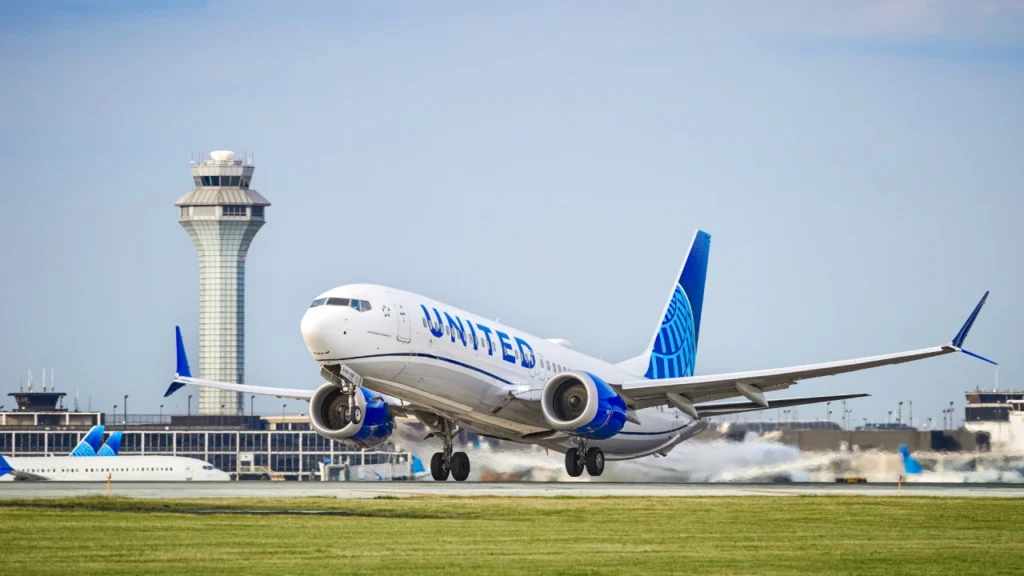
In comparison, United is expected to operate about 600 daily summer departures, increasing its destinations to 212.
American’s traffic, depending on the route structure, sees originating numbers between 45 and 65 percent.
Both airlines highlight their reaches as dual hubs; United plans to add cities like Santa Barbara and Eugene in the upcoming summer.
American has already flown seasonal routes to places like Hyannis and Naples, Italy, with plans for a return in 2026.
The strong passenger volume has led to impressive schedules, with O’Hare’s traffic increasing by 7 percent year-to-date, reaching around 64 million travelers, benefiting both airlines.
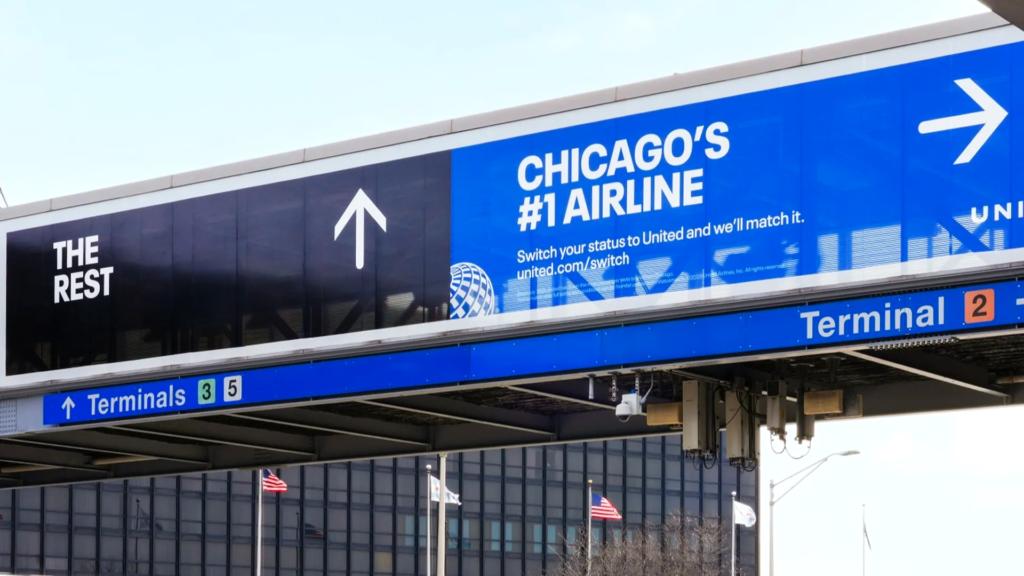
Gate Control and Legal Challenges
WINControl of ORD gates remains a critical competitive asset. United operates approximately 95 gates compared to around 60 for American.
A recent reallocation of five gates to United has led to legal disputes, as American argued that this change violated a 2018 airport expansion agreement.
American sought a preliminary injunction but lost and is now appealing. Since each gate typically supports about six daily departures, this allocation will significantly influence future growth.

Operational Efficiency and Seasonal Trends
O’Hare’s location provides significant advantages for both connections and originating traffic, but it also exposes airlines to unfavorable winter conditions.
Recent heavy snowfall during Thanksgiving caused more disruptions than seen in the previous year.
American’s leadership reported that they enhanced staffing, equipped de-icing machinery, and ensured adequate fluid supplies, which helped them outperform major competitors in timely departures.
Moreover, the airline has doubled its warm-weather Caribbean destinations this season to cater to the winter vacation demand.