Iran’s Acquisition of Advanced 4th Gen Russian Fighter Jets and Beyond

TEHRAN- Iran Air (IR) and Tehran Imam Khomeini International Airport (IKA) are central to the nation’s aviation identity, but broader security concerns now dominate strategic dialogues. Iran is embarking on a comprehensive rearmament initiative that could significantly alter the regional power dynamics.
The Iranian government is actively pursuing advanced weaponry from Russia and China while contending with renewed UN sanctions that limit the acquisition of significant military systems. This strategic ambition indicates a strong determination to restore capabilities compromised during Israel’s military operations in June.
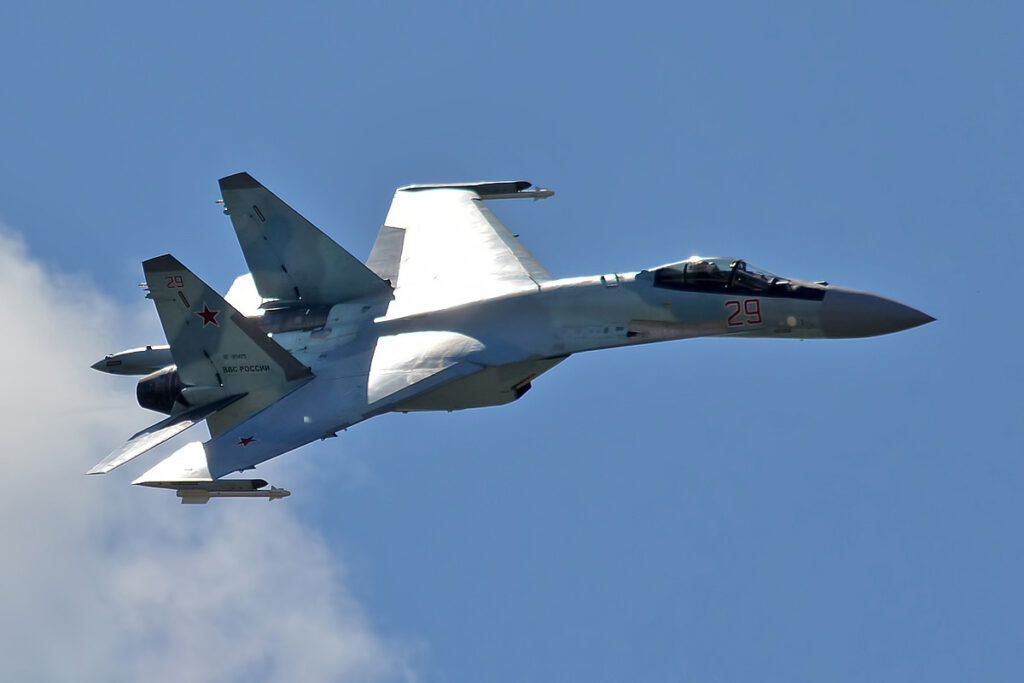
Iran to Buy Su-35 Jets
Iran intends to acquire a new generation of fighter jets, long-range air defense systems, and advancements in missile technology.
Experts view this shift as a direct reaction to recent battlefield setbacks, which exposed vulnerabilities in Iran’s air defense systems and aviation assets.
Negotiations with Moscow are pivotal, as Tehran seeks equipment that has proven effective in the Ukraine conflict, according to reports.
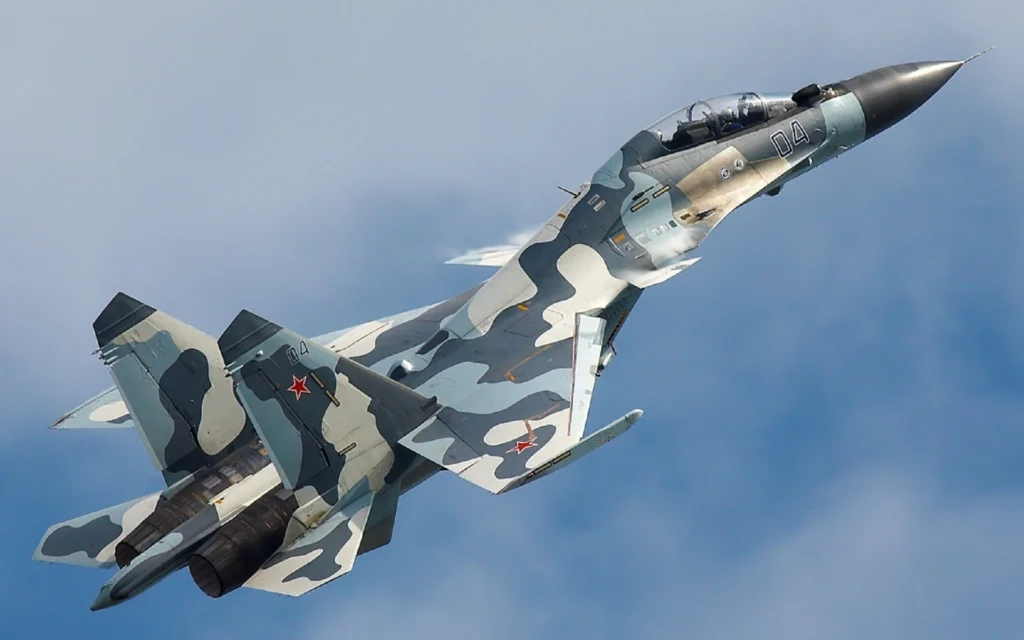
Plans for Advanced Combat Aircraft
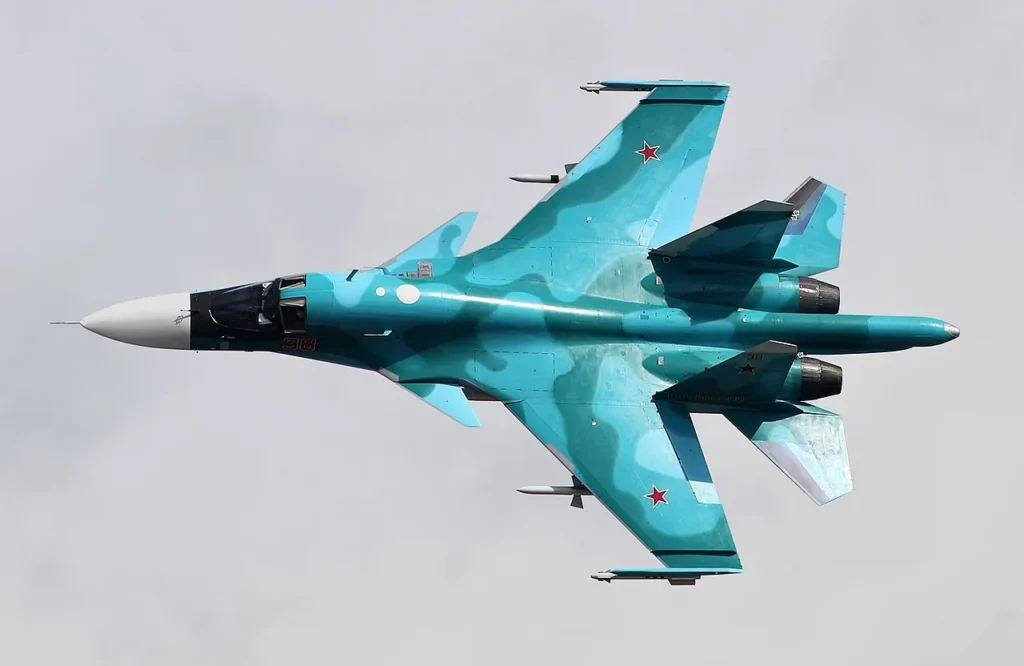
Among the major priorities is the Sukhoi Su-35, categorized as a multirole fighter within the 4.5 generation spectrum. This aircraft’s sophisticated radar and weapons management system would enable Iran to identify targets from a distance and engage multiple adversaries simultaneously.
Equipped with the R37M air-to-air missile, the Su-35 could pose a significant threat to Israeli aircraft, aerial tankers, and reconnaissance missions across extended ranges.
However, training poses a challenge. Iran has not operated a modern fleet for decades, so transforming pilots for efficient use of these aircraft may require substantial time and training in Russia.
Air Defence Systems Under Consideration
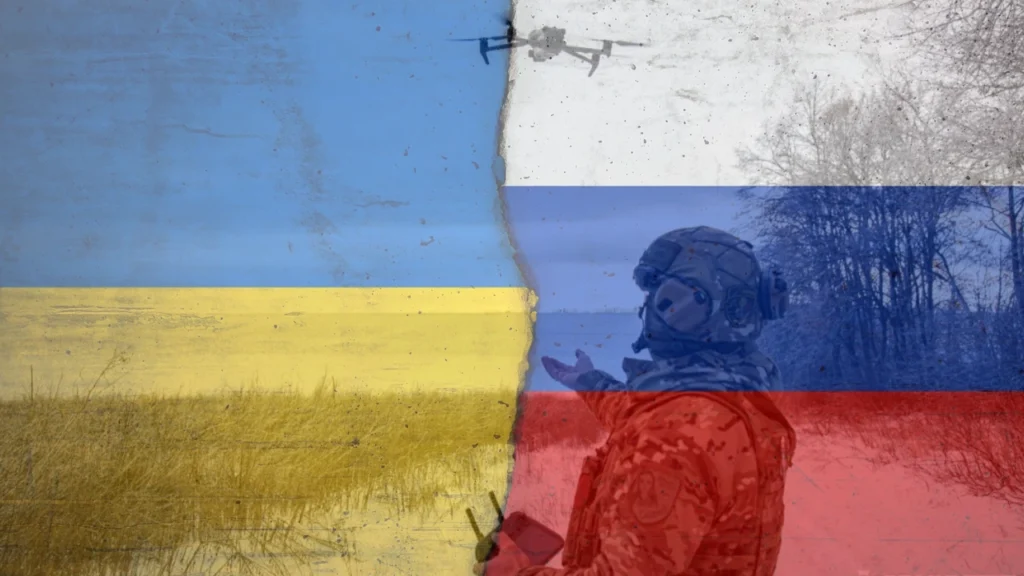
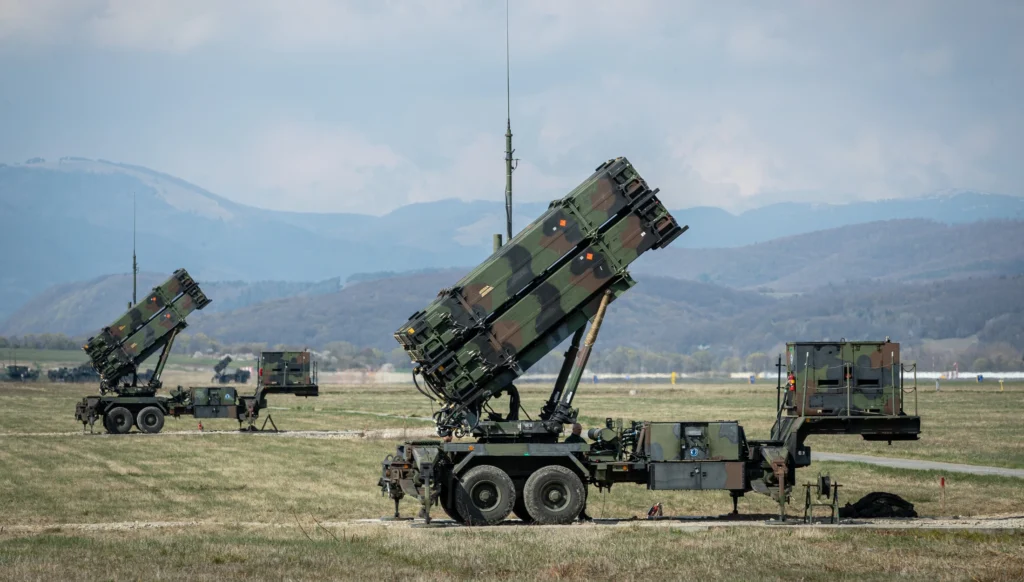
Tehran is evaluating various long-range and medium-range surface-to-air missile systems. The S400 is noteworthy for its impressive detection and interception capabilities. Its proven performance in Ukraine offers a considerable edge over Iran’s existing arsenal.
Should the S400 be acquired, it would complicate Israeli military strategies, particularly regarding refueling aircraft operating in proximity to Iranian airspace. The Buk M3 represents another option, delivering enhanced radar capabilities, speed, and hit probabilities while being cost-effective.
The surge in Russian production during the ongoing Ukraine conflict has created an excess that may benefit Iran, provided the political landscape allows for such exports. These systems symbolize a broader trend in Russian technology, where software and radar algorithms have been fine-tuned through combat experience.
Growing Missile and Drone Ambitions
Iran is resolute in its quest to enhance its indigenous missile designs, focusing on the Khorramshahr series and the hypersonic Fattah 1. Israeli officials express concern that cooperative efforts with Russia could improve precision and evasion techniques, particularly against systems like the Patriot, which have shown diminished efficacy in Ukraine.
Drones are another focal point for expansion. Iran has supplied thousands of Shahed 136 units to Russia, and now Russian factories are replicating these drones using Iranian designs.
If Moscow shares updated production and guidance techniques, Iran’s UAV capabilities could see substantial improvements in both scale and effectiveness.
Regional Implications
The military actions by Israel in June exposed weaknesses in Iran’s air defense network but also demonstrated the capabilities in terms of missile and drone deployments.
Despite interception challenges, the sheer volume of fire presented significant pressure on Israeli defenses. Gulf nations share these concerns as Iran strives to refine its tactics and upgrade its systems with foreign assistance.
Iran is at a crossroads, grappling with diplomatic negotiations at a standstill. Should sanctions enforcement begin to wane, it could acquire advanced systems capable of transforming its deterrent strategy.
What are your thoughts on the evolving military capabilities in the region?