Airbus and Boeing Aim for 100 Planes Monthly Using New Materials

Airbus and Boeing Set for Significant Production Increases in Next-Gen Aircraft
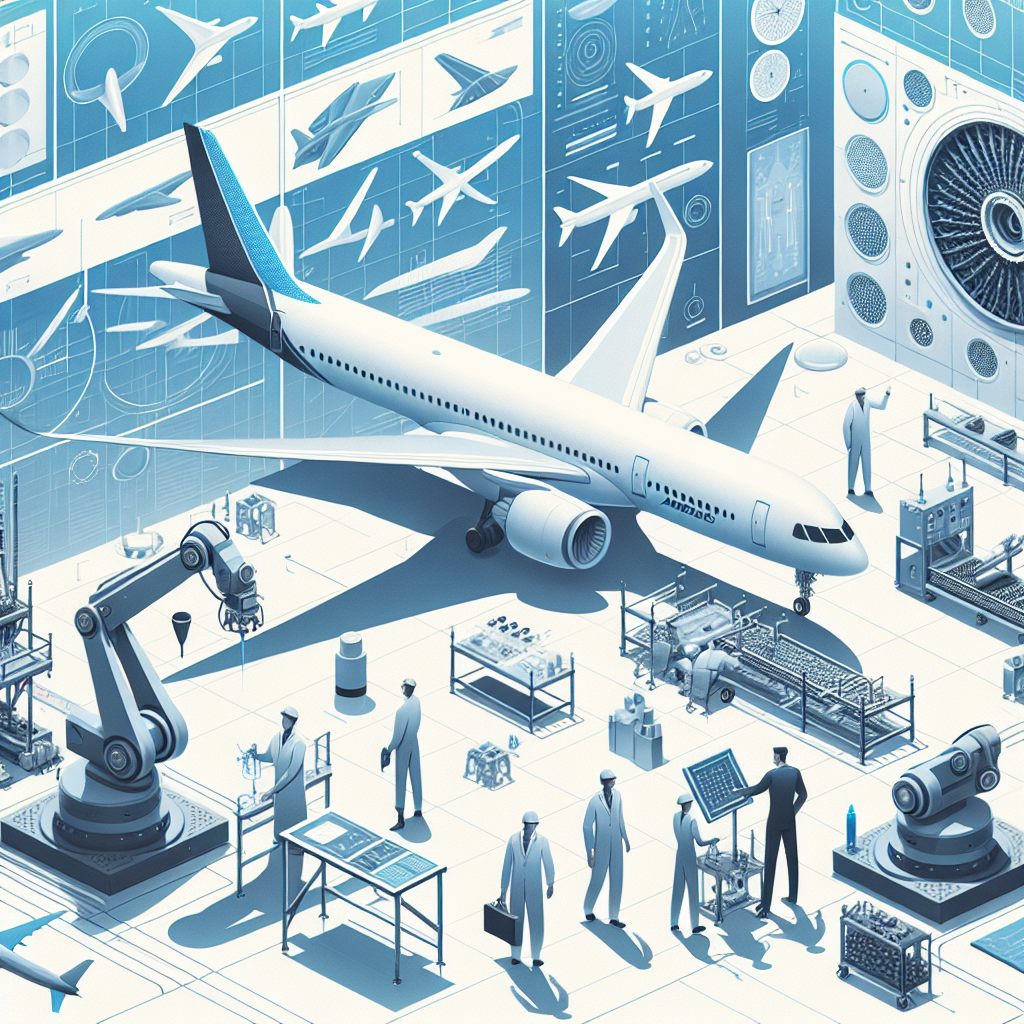
In a groundbreaking development for the aviation industry, Airbus and Boeing are gearing up for unprecedented production increases of their next-generation single-aisle aircraft. Both manufacturers are targeting a production rate of up to 100 planes per month, a significant boost from current output levels. This ambitious plan involves exploring advanced thermoplastic composite materials and innovative robotic assembly methods, as reported by industry experts.
Airbus and Boeing Production Output: A New Era Begins
Despite facing challenges such as weakened supply chains and extended timelines for next-generation engine development, both Airbus and Boeing showcased remarkable progress in materials research during a recent composites conference in Paris. This research is pivotal in transitioning away from the aluminum-based construction methods that have long dominated their bestselling aircraft families, including the Boeing 737 and Airbus A320.
Randy Wilkerson, Boeing’s representative for NASA’s High-Capacity Manufacturing (HiCAM) research project, emphasized the importance of this research during the JEC World conference. “The goal is to recommend the best approach to transition to the next airplane program,” Wilkerson stated.
Thermoplastics: The Game-Changer in Aviation Manufacturing
One of the most promising advancements both companies are exploring is the use of thermoplastic materials. Unlike traditional thermoset composites, which are widely used in larger aircraft like the Boeing 787 and Airbus A350, thermoplastics can be reheated and reshaped after their initial forming. This property allows for greater flexibility in manufacturing, which is crucial for meeting the high volume requirements of smaller aircraft.
Lukas Raps from the German Aerospace Centre DLR remarked, “You can melt it and reshape it in any way you like,” highlighting the versatility of thermoplastics in creating seamless aerodynamic structures. Similarly, York Roth, a Senior Researcher at Airbus Germany, emphasized the unique opportunities thermoplastics present compared to thermosets.
Innovative Manufacturing Approaches Under Development
Airbus and Boeing are actively investigating several advanced manufacturing methods to enhance production efficiency:
- Enhanced Thermoset Systems: These systems aim to reduce curing times while maintaining quality, described by Wilkerson as “a lower risk approach but has a lot of potential.”
- Resin Infusion Techniques: This method could potentially eliminate the need for autoclaves in producing certain components.
- Ultrasound Welding: By using advanced welding techniques instead of traditional rivets, both companies aim to reduce weight and assembly time.
During the conference, a collaborative effort between Airbus, GKN, and other partners showcased sections of the world’s largest thermoplastic fuselage structure as a technology demonstrator, aimed at maximizing learning rather than flight readiness.
Airbus and Boeing Production Capacity Limitations: A Competitive Landscape
According to industry sources, both Airbus and Boeing are preparing their suppliers for potential production rates of 100 aircraft monthly each. This ambitious goal far exceeds Boeing’s current output and surpasses Airbus’s repeated target of 75 monthly. Analysts warn that manufacturing capacity will become as critical to competition as aircraft design, especially as Western manufacturers face increasing competition from China.
While neither Airbus nor Boeing has officially commented on specific production targets, officials have indicated that there are no immediate plans to launch new aircraft programs. This uncertainty raises concerns among investors grappling with ongoing supply chain disruptions and Boeing’s challenges.
Transitioning to welded structural components instead of traditional titanium fasteners will require extensive certification testing. Industry insiders suggest future aircraft designs will likely integrate a mix of materials and technologies rather than rely solely on one approach.
For more insights on the latest developments in aviation technology, feel free to share your thoughts or explore related articles on advanced manufacturing trends in aerospace.