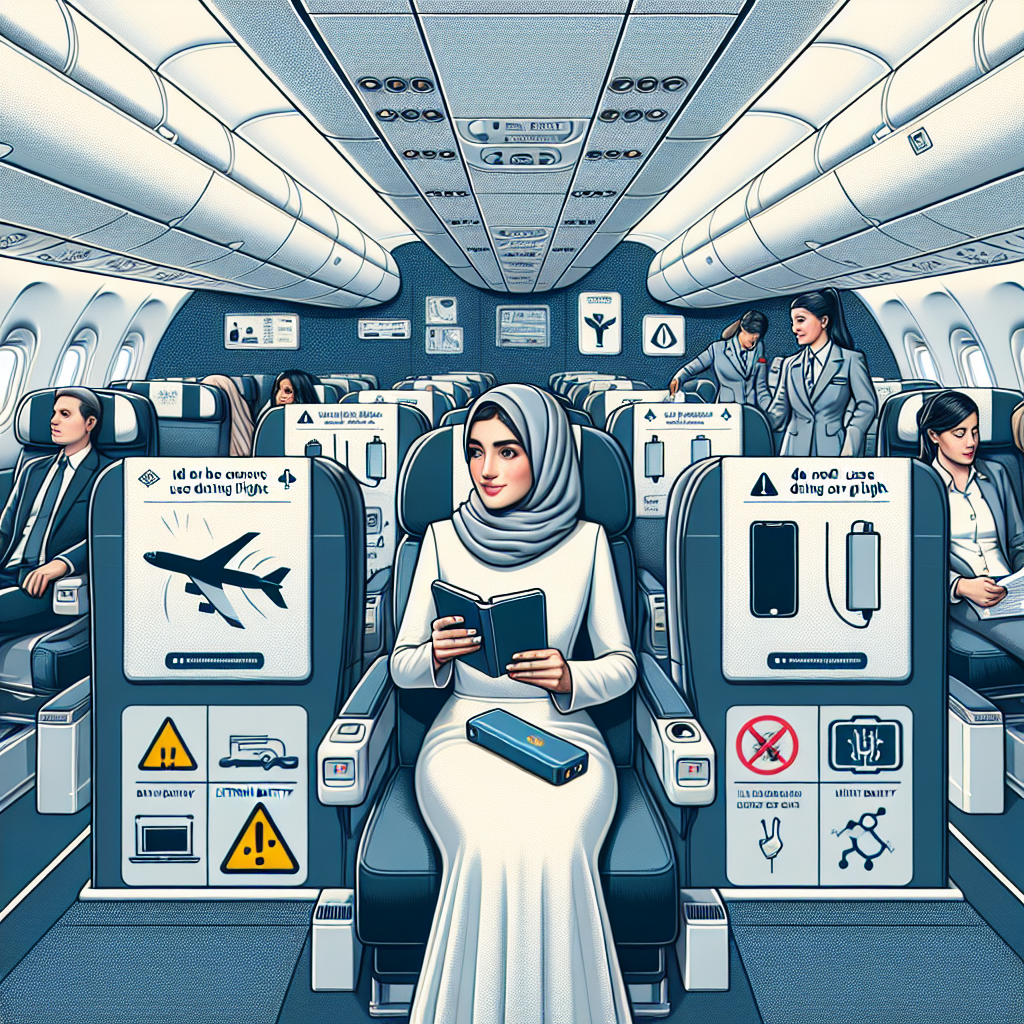
Airlines Ban Power Banks Over Inflight Fire Risks

Airlines Revise Power Bank Policies: What Travelers Need to Know
In early 2025, a series of concerning incidents involving lithium batteries have prompted airlines around the world to tighten regulations regarding the use and storage of portable chargers, commonly known as power banks, during flights. If you’re planning to travel soon and are unsure about the new rules surrounding power banks in-flight, this article breaks down everything you need to know.
The Shift in Airline Policies on Power Banks
Several airlines have recently updated their guidelines concerning the use of lithium batteries found in power banks, cellphones, and e-cigarettes. These batteries can pose serious risks, including potential malfunctions that may lead to smoke, heat, or even fire.
Here’s a quick overview of the airlines that have implemented new restrictions on power banks:
| Airline | Date of Change | New Rules |
|---|---|---|
| Singapore Airlines & Scoot | April 1, 2025 | Fully charge before flight, do not use in flight |
| EVA Air | March 1, 2025 | Fully charge before flight, do not use in flight |
| Thai Airways | March 15, 2025 | Fully charge before flight, do not use in flight |
| AirAsia | March 15, 2025 | Fully charge before flight, do not use in flight |
| China Airlines | March 1, 2025 | Fully charge before flight, do not use in flight |
| Air Busan | February 5, 2025 | Do not store in overhead locker, fully charge before flight, do not use in flight |
| Korean Air | March 1, 2025 | Do not store in overhead locker, fully charge before flight, do not use in flight |
| Asiana Airlines | March 1, 2025 | Do not store in overhead locker, fully charge before flight, do not use in flight |
| Starlux Airlines | Since 2018 | Fully charge before flight, do not use in flight |
| Tigerair Taiwan | March 1, 2025 | Fully charge before flight, do not use in flight |
| Cathay Pacific | April 7, 2025 | Do not store in overhead locker, fully charge before flight, do not use in flight |
| Hong Kong Airlines | April 7, 2025 | Do not store in overhead locker, fully charge before flight, do not use in flight |
The first airline to impose a new ban on power banks was Air Busan, following a serious onboard fire. Since then, all South Korean airlines have adopted similar regulations, requiring passengers to keep power banks on their person, preferably in a seat pocket, to quickly address any potential issues.
Why Are Airlines Changing Their Stance on Power Banks?
The heightened scrutiny on power banks comes in response to a surge in incidents involving lithium battery malfunctions. A thermal runaway—when the heat generated inside the battery exceeds safe limits—can lead to smoke, fire, or explosions, posing significant risks onboard.
According to the FAA, there has been a staggering 388% increase in lithium battery fires on U.S. flights since 2015, with power banks accounting for 43% of these reports. Key incidents that have raised alarms include:
- An Air Busan flight destroyed by a faulty power bank fire.
- A Batik Air flight filled with smoke due to an overheating power bank during landing.
- A Hong Kong Airlines flight that diverted shortly after takeoff due to a lithium battery fire.
Are Power Banks Completely Banned on Flights?
While airlines are not outright banning power banks, they are imposing strict regulations on their use and storage during flights. Passengers can still bring power banks onto aircraft, but many airlines now restrict their storage to hand luggage and have placed limits on their capacity.
Typically, most airlines allow power banks with a capacity of up to 100 Wh (approximately 27,000 mAh) in carry-on luggage. Some airlines may permit devices up to 160 Wh (43,000 mAh) with prior approval.
Tips for Safe Power Bank Usage on Flights
To ensure a safe experience when traveling with a power bank, consider the following tips:
- Choose Quality Products: Opt for reputable brands with safety certifications.
- Pack Carefully: Securely pack your power bank to prevent damage.
- Avoid Overcharging: Disconnect once fully charged and do not charge during the flight.
- Charge Before You Fly: Fully charged batteries are more stable.
- Do Not Use While Charging: Avoid using your power bank while it’s being charged.
- Keep It Accessible: Store your power bank in a seat pocket rather than the overhead bin for easy monitoring.
These guidelines apply not only to power banks but also to any device powered by lithium batteries. If you misplace your device during the flight, notify cabin crew instead of attempting to retrieve it yourself.
Conclusion
As airlines adapt to the growing concerns surrounding power banks and lithium batteries, staying informed about these changes is crucial for travelers. Always check with your airline for the latest guidelines before your flight.
Have you experienced any issues with power banks while traveling? Share your thoughts in the comments below or explore our related articles for more travel tips and updates.
For more detailed information, you can visit the FAA’s official website or IATA’s guidelines.