SAS Flight Attendant Caught Drunk While Working

SAS Flight Attendant Faces Legal Consequences After Failing Alcohol Screening
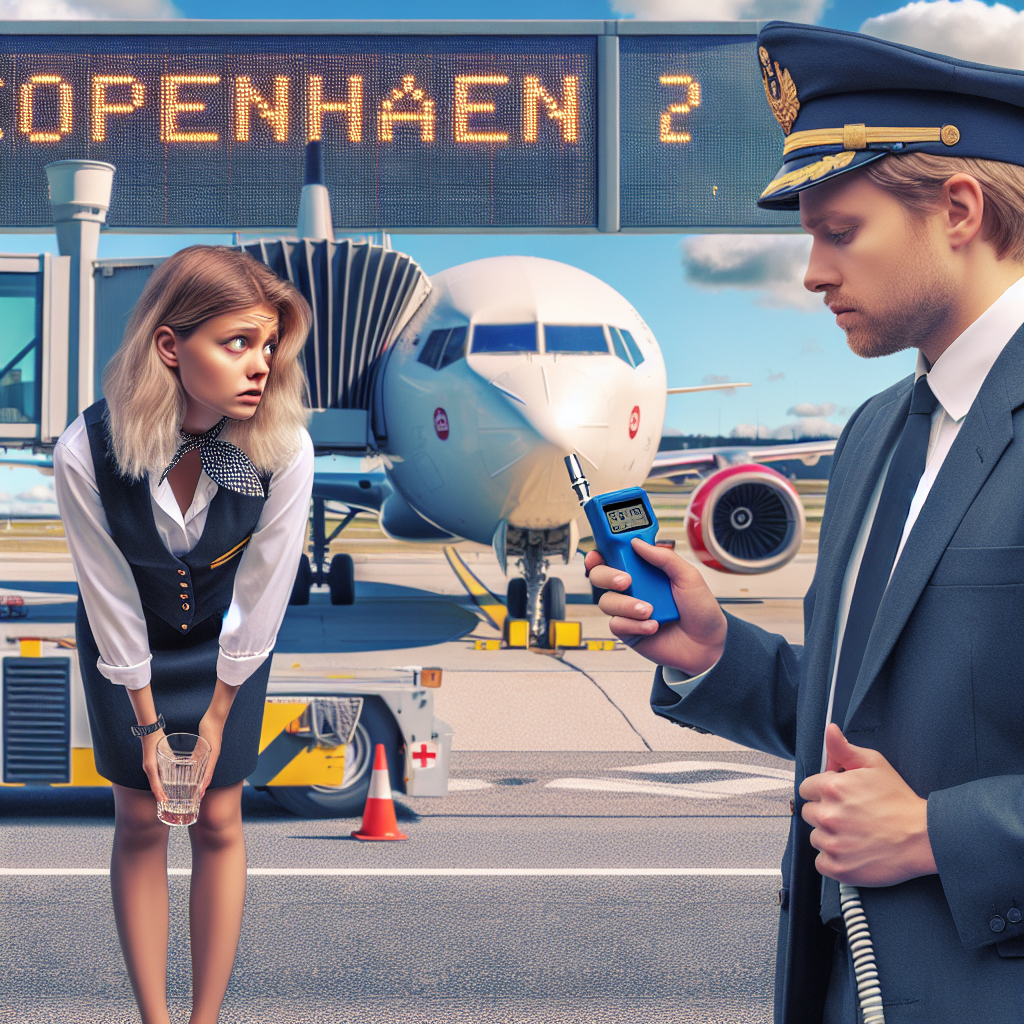
In a concerning incident at Arlanda Airport (ARN), a flight attendant from SAS Scandinavian Airlines (SK) was detained for failing an alcohol screening test prior to a scheduled flight to Copenhagen (CPH) in early March 2025. The flight attendant’s blood alcohol content was measured at 0.26 per mille, significantly exceeding Sweden’s legal limit of 0.2 per mille for aviation personnel. This alarming event raises questions about safety regulations in the airline industry.
Incident Overview: SAS Flight Attendant Arrested for Alcohol Levels
At approximately 20:00, police officers conducted routine alcohol screenings on all crew members before the flight. The SAS flight attendant was the only one who tested positive, as reported by Aviation24.be. Following her positive test, she was escorted to the Arlanda police station for formal breathalyzer testing, where her blood alcohol level was confirmed to be 0.26 per mille.
During questioning, the flight attendant revealed she had consumed 2-3 beers the night before and expressed disbelief at the high test result, insisting she felt fit for duty. “I felt completely in shape… I don’t think I drank much at all,” she stated, attributing her elevated alcohol level to limited food intake since breakfast.
Legal Proceedings for the SAS Flight Attendant
The case is now being handled by the Attunda District Court, where the flight attendant faces formal charges related to drunkenness. Aviation authorities regard this as a severe offense due to the critical safety responsibilities of flight crew members. If convicted, she risks both legal penalties and professional repercussions under Swedish law.
This incident underscores the aviation industry’s stringent safety measures and zero-tolerance policy regarding alcohol consumption among flight crews.
Sweden’s Strict Aviation Alcohol Policies
Sweden is known for its stringent regulations concerning alcohol consumption among flight crews. The country mandates an "eight-hour bottle-to-throttle" rule, although many airlines, including SAS, enforce a more rigorous 12-hour policy. Sweden’s blood alcohol concentration limit of 0.2 per mille is notably lower than in many other countries, reflecting a commitment to maintaining safety in aviation.
Key points about Sweden’s alcohol policies include:
- Random Testing: Flight crews undergo random alcohol testing, with severe penalties for violations.
- Consequences: Offenders may face license suspension, job termination, and even criminal charges.
SAS Airlines’ Alcohol Policy: A Closer Look
SAS Scandinavian Airlines enforces a stricter alcohol policy than national regulations. The airline’s "12-hour rule" prohibits any alcohol consumption before reporting for duty, alongside rigorous internal testing protocols. Crew members found with alcohol in their system face immediate suspension and potential termination following an investigation.
Similar Incidents in Aviation
This is not the first instance of airline crew members facing consequences for alcohol-related violations. In a notable case on November 29, 2024, two Delta Air Lines flight attendants were arrested in Amsterdam after failing breathalyzer tests before their flight to New York. The incident, part of a comprehensive police operation, revealed significant alcohol consumption, with one attendant testing at 1.43 grams per liter—seven times above the regulatory limit.
Conclusion: Ensuring Safety in Aviation
The recent incident involving the SAS flight attendant serves as a stern reminder of the aviation industry’s commitment to safety and the serious implications of alcohol consumption among flight crews. As regulations tighten globally, it remains crucial for airline personnel to adhere strictly to these guidelines.
For further insights on aviation safety and related topics, feel free to explore more articles or share your thoughts in the comments below.