SAS Airline Resumes Flights to Asian City After a Decade Long Hiatus

COPENHAGEN– Scandinavian Airlines, also known as SAS (SK), is set to relaunch direct flights to Tel Aviv (TLV) in late October. This marks the airline’s return to Israel after nearly ten years, with initial plans for three flights per week.
SAS last serviced Israel in 2016, and this reestablishment of the route will enhance connections from Denmark, Norway, and Sweden to the Middle East. It signifies revitalized competition for flight routes between northern Europe and Israel.

SAS to Resume Flights to Tel Aviv
SAS, the national airline of Denmark, Norway, and Sweden, connects over 125 destinations worldwide. The airline’s major hubs include Copenhagen (CPH), Oslo (OSL), and Stockholm (ARN).
By resuming flights to Tel Aviv, SAS endeavors to enhance its global network, reinforcing connectivity between Scandinavia and the eastern Mediterranean.
The Tel Aviv to Copenhagen service will operate with three weekly flights. Anticipated round-trip fares in late October will start around €312, including a carry-on bag, allowing SAS to compete directly with established airlines already servicing this route.
Broader Airlines Resuming Services in Israel
SAS isn’t the only carrier re-establishing its services in Israel. Multiple airlines have resumed their flights following the recent conflict with Iran, which had obstructed regional air travel.
The Lufthansa Group, comprising Lufthansa, Swiss (LX), Austrian Airlines (OS), Brussels Airlines (SN), and Eurowings (EW), has restored daily operations from significant hubs such as Frankfurt (FRA), Munich (MUC), and Vienna (VIE).
Spanish airline Air Europa (UX) has returned with six weekly flights to Madrid (MAD), while Latvia’s airBaltic (BT) plans to restart its Riga (RIX)–Tel Aviv (TLV) route on September 4, further extending northern Europe’s reach to Israel.

Impact on Competition and Connectivity
The return of SAS will add a Scandinavian element to Israel’s air connections, giving northern European travelers more direct options.
For Israel, this means increased inbound tourism from Scandinavia and improved onward connections through Copenhagen to a variety of destinations across Europe, North America, and Asia.
Competition on the routes between Tel Aviv and northern Europe is expected to heighten as more legacy carriers and low-cost airlines expand their services. Typically, this competition results in more choices for passengers and better pricing options.
Travel Guide to Tel Aviv, Israel
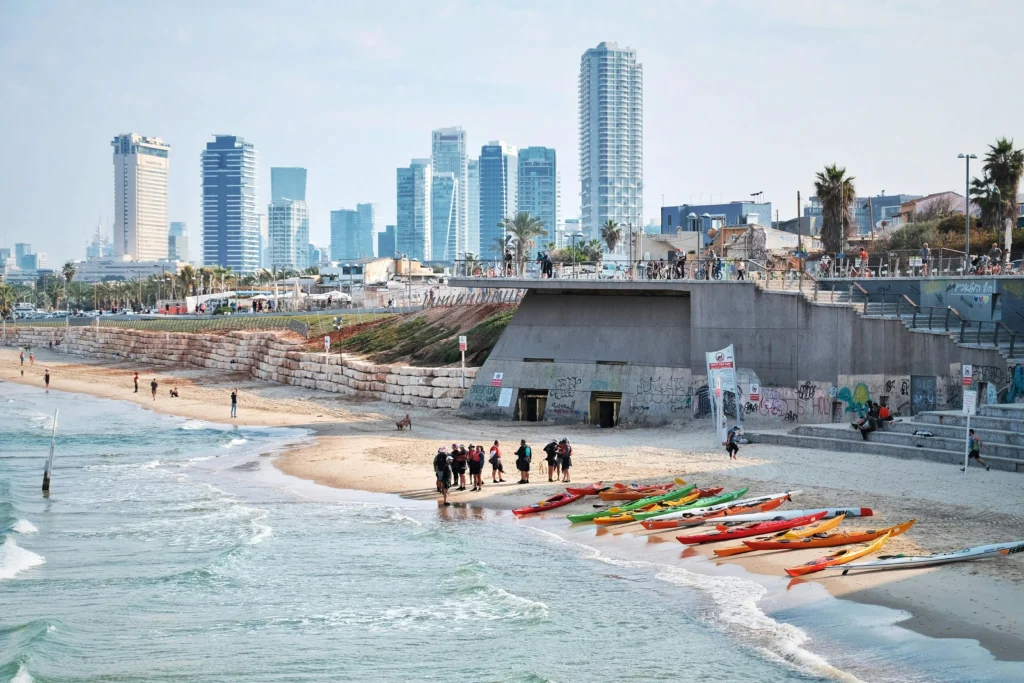
Known as the city that never sleeps, Tel Aviv (TLV) draws visitors year-round with its vibrant nightlife, beautiful beaches, diverse food options, and rich culture. Most travelers arrive through Ben Gurion Airport (TLV), Israel’s busiest airport.
Often referred to as the Miami of the Middle East, Tel Aviv is famed for its energetic atmosphere and welcoming spirit. Its modern skyline, lively neighborhoods, and relaxed Mediterranean lifestyle make it a unique destination.
Discovering the City’s Essence
Founded just over a century ago on sand dunes, Tel Aviv rapidly evolved into Israel’s cultural and economic hub. Today, the city beautifully intertwines cutting-edge technology with a flourishing arts scene, historical districts, and some of the finest nightlife in the region.
Visitors can traverse from the modern skyscrapers of Rothschild Boulevard to the ancient alleys of Jaffa (TLV) in under thirty minutes, experiencing the city’s contrasting vibes firsthand.
Beaches and Coastal Life
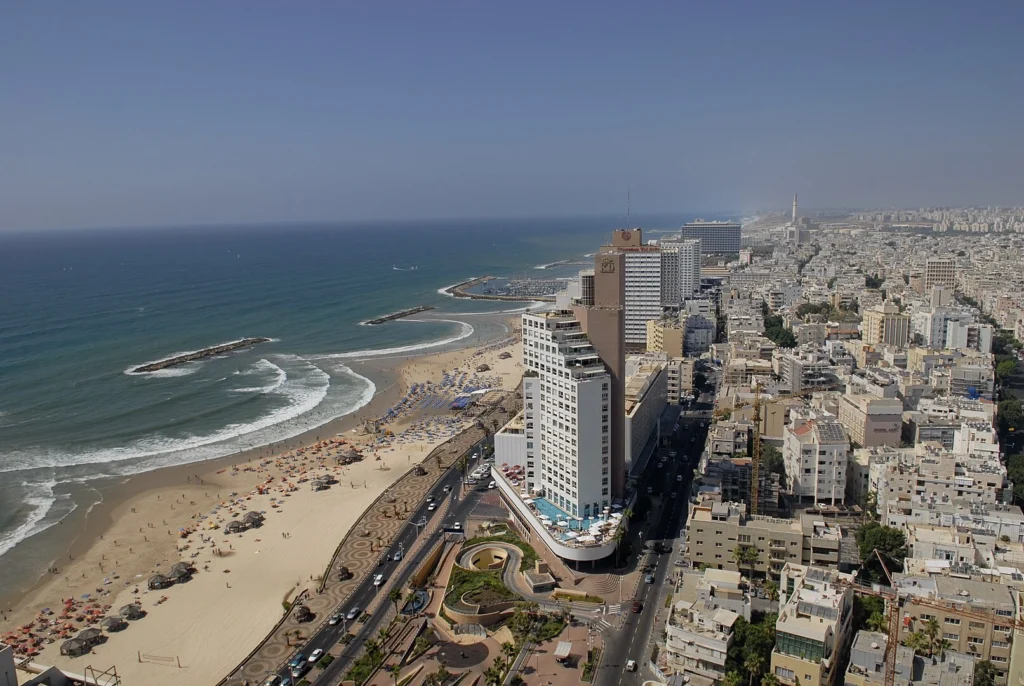
Tel Aviv’s shores are pivotal to its social scene. Popular spots such as Gordon Beach, Banana Beach, and Frishman Beach invite sunbathers, swimmers, and those who enjoy people-watching.
The Tayelet, a scenic boardwalk, connects Tel Aviv to Jaffa and is lined with cafés, bike paths, and entertainers.
Exploring Old Jaffa
Jaffa, once a significant port, now serves as a historical treasure within Tel Aviv. Guests can wander through its flea markets, art galleries, cobblestone streets, and Ottoman-style buildings, providing a tranquil contrast to the bustling heart of Tel Aviv.
Cultural Neighborhoods
The Yemenite Quarter is celebrated for its twisting lanes and family-run restaurants that serve authentic Israeli cuisine at reasonable prices.
Bialik Street preserves important cultural sites, including the Rubin Museum and Beit Ha’ir. Meanwhile, the Bauhaus architecture along Rothschild Boulevard complements historic sites like Independence Hall, where Israel’s Declaration of Independence was signed.
Accommodation Options
Tel Aviv offers a variety of accommodation choices ranging from luxury hotels to boutique lodgings and budget stays. For upscale options, the Dan Tel Aviv is well-known for its beachfront Royal Suite, while the David Intercontinental provides ocean views and spa services.
On the more affordable side, The Spot Hostel, Hotel Gilgal, and Sea-Land Suites offer comfortable stays for budget-conscious travelers.
Culinary Delights
Tel Aviv is a foodie’s dream. Must-try dishes include:
- Falafel – delicious, deep-fried chickpea balls typically served in pita.
- Shakshuka – eggs poached in a spicy tomato sauce.
- Schnitzel – crispy, breaded chicken cutlets paired with pita or fries.
- Hummus – a beloved dip enjoyed with nearly every meal.
- Israeli Salad – a refreshing mix of cucumbers, tomatoes, onions, and herbs dressed in olive oil and lemon.
Street food stalls and vibrant markets like Carmel Market amplify the city’s culinary landscape.
Travel Recommendations
- Always keep valid identification on you; the local currency is the Israeli Shekel (ILS).
- Dress in light clothing; summers can be quite hot, while winters are mild.
- Public transit options include buses, shared taxis (Sheruts), and trains. Walking or biking is popular for shorter distances.
- While Uber isn’t available, local taxi apps function reliably.
- Learning a few phrases in Hebrew can enhance your interactions.
Getting to Tel Aviv
- By Air: Ben Gurion Airport (TLV) serves as the main international gateway, with daily flights from airlines such as IndiGo (6E) and El Al (LY).
- By Rail: Trains connect the airport to central Tel Aviv, Jerusalem, and Haifa, providing modern amenities and free Wi-Fi.
- By Road: Entry from Jordan or Egypt through official crossings is possible, though most visitors fly directly to the city.
Climate and Ideal Visiting Times
Tel Aviv has a Mediterranean climate, with hot, dry summers reaching up to 32°C, and mild winters averaging between 10–20°C.
The optimal times to visit are spring (March–April) and autumn (September–November) when temps are pleasant, and crowds tend to be smaller. Summer is bustling but can be pricey, while winter brings in European tourists searching for sunshine.