Viral Moment: American Airlines Flight Attendant Sports Palestinian Flag Pin

DALLAS— An American Airlines (AA) flight attendant on flight 4907 from Aspen (ASE) to Dallas–Fort Worth (DFW) recently garnered attention for wearing a pin featuring the Palestinian flag, which goes against the airline’s established uniform policy.
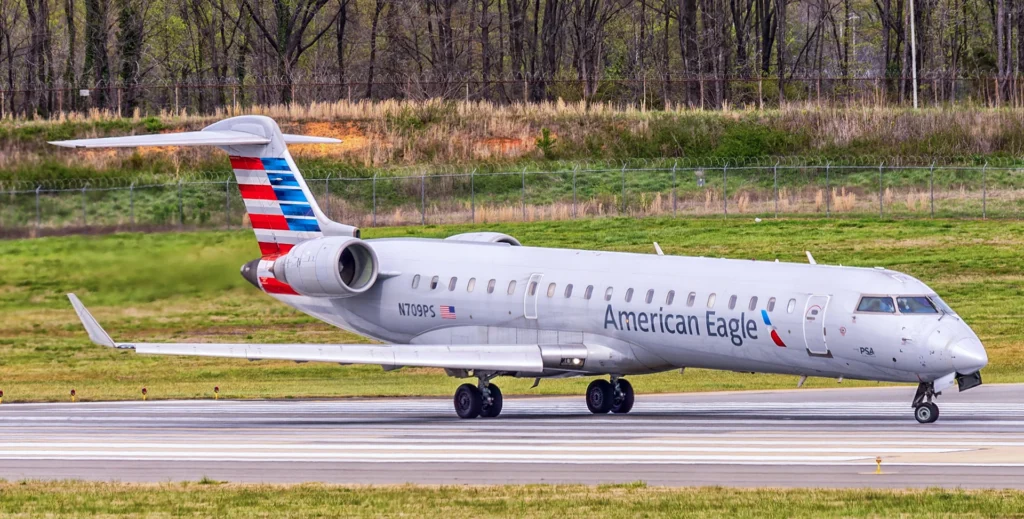
This incident occurred aboard a Bombardier CRJ-700, operated by SkyWest Airlines (OO) as part of the American Eagle brand, and quickly gained traction on social media platforms.
According to American Airlines’ guidelines, flight attendants are only permitted to wear pins that are officially issued by the company or approved through corporate affinity programs. Images have surfaced on the internet showing the crew member displaying both the Palestinian flag pin and an Association of Flight Attendants (AFA) union pin, prompting discussions about uniform compliance.
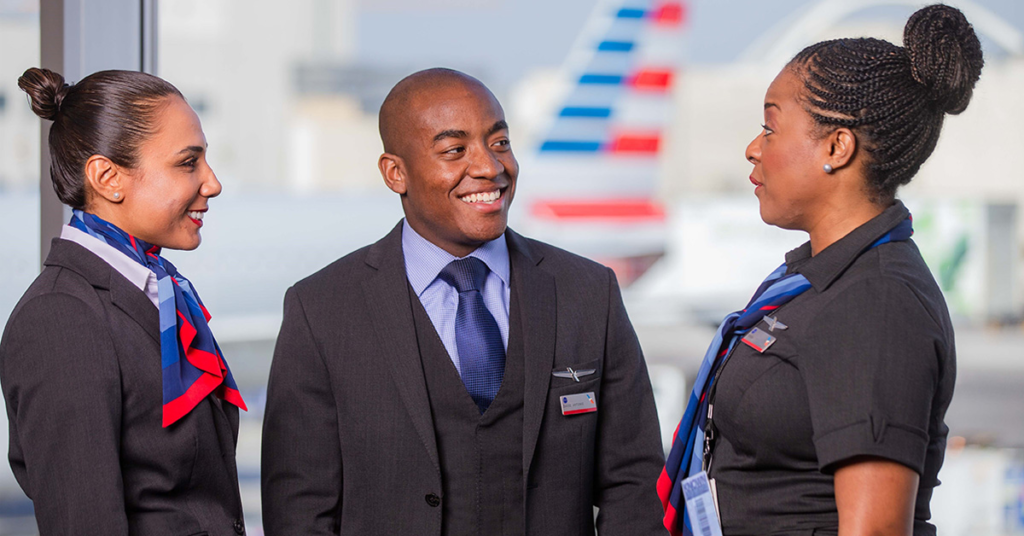
American Airlines Attendant and the Palestinian Flag Incident
American Airlines has a clear uniform policy stating that flight attendants can only wear company-approved pins. This restriction is outlined to uphold a professional image for airline representatives.
Policy breaches are not uncommon, with past instances including crew members sporting pins associated with political themes, such as “Let’s Go Brandon.” Although the airline seeks to enforce this policy strictly, compliance appears inconsistent at times, as noted by various sources.
The flight in question was operated by SkyWest Airlines (OO), functioning under the American Eagle branding.
SkyWest’s employee handbook states that crew members may display a maximum of three lapel pins, but only those sanctioned by either SkyWest or its partner airlines. Consequently, personal and political pins, including national flags not relevant to airline operations, are not permitted.
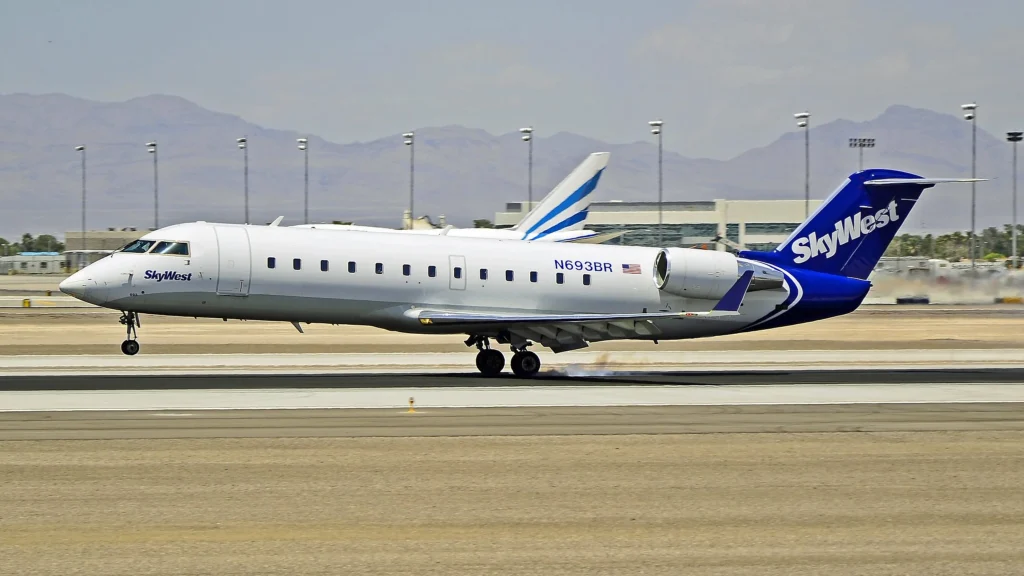
SkyWest’s Official Reaction
SkyWest Airlines has publicly acknowledged the situation, reiterating its commitment to maintaining uniform standards. While limited visible tattoos and piercings are permissible, the airline clearly restricts pins to those approved by the company and its partners.
The airline stated, “We want every customer to have a positive travel experience and to feel respected and valued throughout their journey with us.” This indicates that the issue is currently under a review process, although neither American Airlines nor SkyWest has confirmed potential disciplinary actions.
Historical Context of Uniform Policies at Airlines
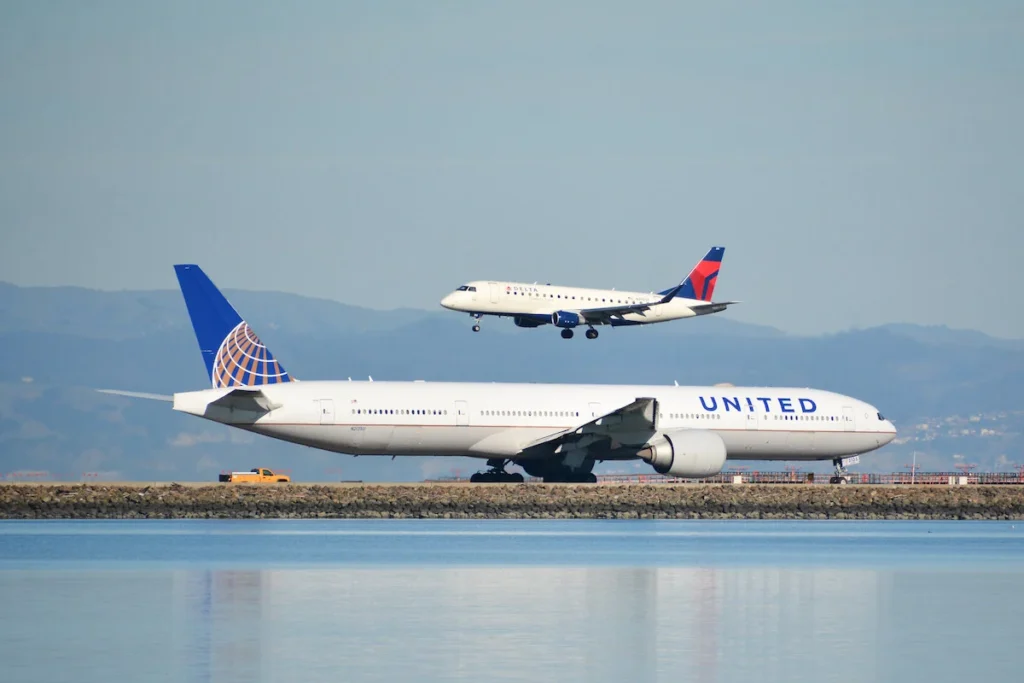
Similar controversies have arisen with other U.S. airlines regarding employees displaying Palestinian symbols. Delta Air Lines (DL) and JetBlue Airways (B6) have previously faced similar challenges and responded by tightening their uniform regulations.
United Airlines (UA), at one point, allowed Palestinian pins under its “language pin” program, suggesting it represented the crew member’s ability to communicate in Arabic. However, public backlash prompted the airline to curtail visible political expressions.
These situations underscore a persistent issue within the airline industry: achieving a balance between staff expression and maintaining a neutral environment in-flight.
Navigating Politics in Airline Settings
Commercial aviation unites passengers from a wide range of beliefs and backgrounds. Airline staff hold significant authority, including the power to deny boarding or address disruptive behavior, making political expression by crew particularly sensitive.
To prevent conflicts among passengers, airlines typically adhere to a neutrality standard. Uniform guidelines focus not just on professional appearance but also on minimizing the potential for perceived bias or hostility related to political or cultural insignia.
While individuals may feel compelled to voice opinions on international issues like the Gaza conflict, commercial aircraft cabins are generally deemed unsuitable venues for such expressions due to the inherent dynamics between passengers and crew members.