Finland Air Force Retires Swastika Flags After 100 Years of History

HELSINKI- Finland’s Air Force (FIN) is set to transition away from using swastikas on a limited number of unit flags. This decision aims to prevent uncomfortable situations with NATO allies after Finland officially joined the alliance in 2023.
The swastika, widely recognized as a symbol linked to Nazi Germany, was first adopted by the Finnish Air Force in 1918, long before the Nazis utilized it. As Finland enhances its collaboration with Western nations, officials believe it’s time to refresh the flags to better represent contemporary identity.
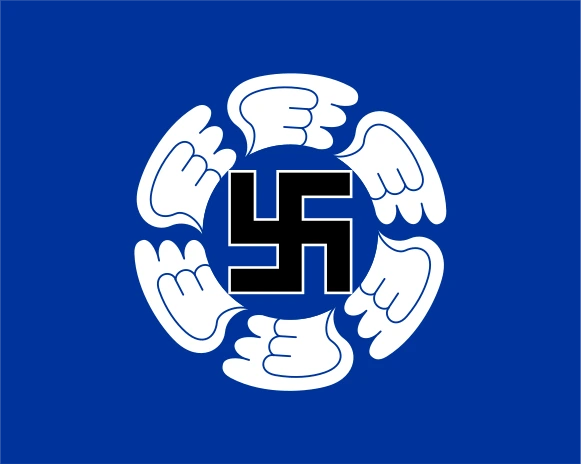
Finland Air Force to Retire
The Finnish Defense Forces revealed that the rebranding of Air Force unit flags began in 2023, aligning with the country’s accession to NATO. While officials asserted that the change is not directly due to membership, it reflects a broader effort to modernize the symbols of the Air Force.
Colonel Tomi Böhm, commander of the Karelia Air Wing’s air defense unit, explained that keeping the swastika might invite unnecessary tension during visits from international partners. “It may be wise to live with the times,” he noted.
The replacement flags will showcase an eagle emblem, moving away from the traditional swastika design. Although a specific timeline for this transition hasn’t been announced, the updated flags are expected to feature in parades, ceremonies, and official functions.
The swastika was first adopted by Finland’s Air Force in 1918, after Count Eric von Rosen of Sweden donated the country’s initial military aircraft. This plane displayed von Rosen’s personal blue swastika, which the new Air Force subsequently adopted as its emblem.
For many years, the swastika appeared on various Finnish military aircraft, flags, medals, and emblems. It was meant to symbolize good fortune and strength and was not originally associated with Nazi ideology.
However, von Rosen’s connection to Hermann Goering, the future head of the Luftwaffe under Hitler, introduced an unsettling historical context.
While the insignia was removed from aircraft following World War II, it lingered on several unit flags introduced in the 1950s. These are the flags now being phased out.
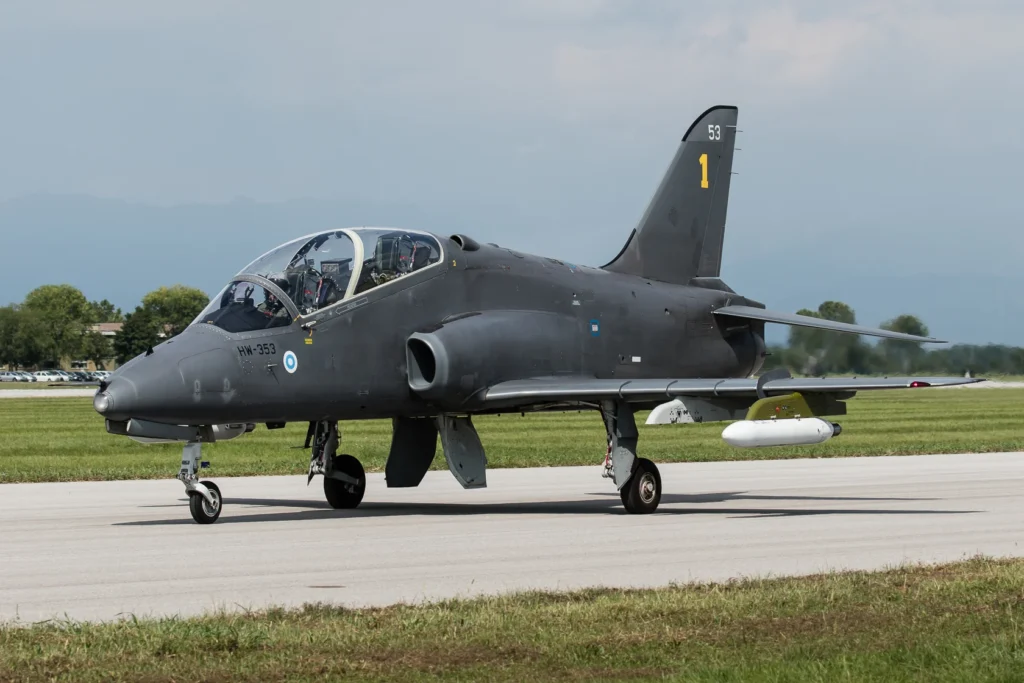
NATO Membership and International Perception
Finland’s integration into NATO in April 2023 marked a significant shift for the country, ending its long-standing military non-alignment. As a new member, demonstrating alignment with Western symbols and traditions has gained increased relevance.
Professor Teivo Teivainen from the University of Helsinki highlighted that the swastika’s presence has historically created tension. In 2021, certain German Air Force units opted out of attending a closing ceremony in Lapland upon learning that Finnish swastika flags would be showcased.
For NATO allies such as Germany, France, and the Netherlands, the swastika still evokes negative connotations. While Finnish officials have maintained that the design was not connected to Nazism, the decision to phase it out signifies an eagerness to prevent misinterpretations and reinforce collaboration within NATO.

A Century of Change
The gradual removal of the swastika from the Finnish Air Force has been in progress for several years. The emblem was quietly removed from the Air Force Command’s unit badge years ago, and most emblems have since moved away from it. The decision to update the unit flags continues this long-term reform.
The Defense Forces stated that, “The traditional Von Rosen swastika emblem, in use since 1918, has already been phased out from most other Air Force emblems during earlier reforms, so its removal from the unit flags is a logical continuation of this work.”
This transition marks the end of over a century of swastika usage in Finnish military aviation, emphasizing how historical symbols can evolve or be retired as new alliances and global perceptions shift.