Top European Country for Pilot Salaries: Where Do They Earn the Most?

The allure of flying has enchanted many aspiring aviators worldwide. However, the reality of becoming a pilot comes with significant financial and professional hurdles.
In Switzerland, the national airline recently unveiled a cancellation of around 1,400 flights until October due to a pilot shortage. This situation not only underscores the challenges faced by the airline industry but also the substantial investment and potential rewards tied to the profession.
SWISS reported that costs for pilot training can approach €150,000, a considerable investment for most individuals. It naturally raises the question of what pilots earn in exchange for this hefty cost. Salaries across Europe vary significantly based on several factors, including country, airline, and crucially, experience.
Understanding pilot salary structures is essential, especially given the rising demand for qualified pilots in the industry.
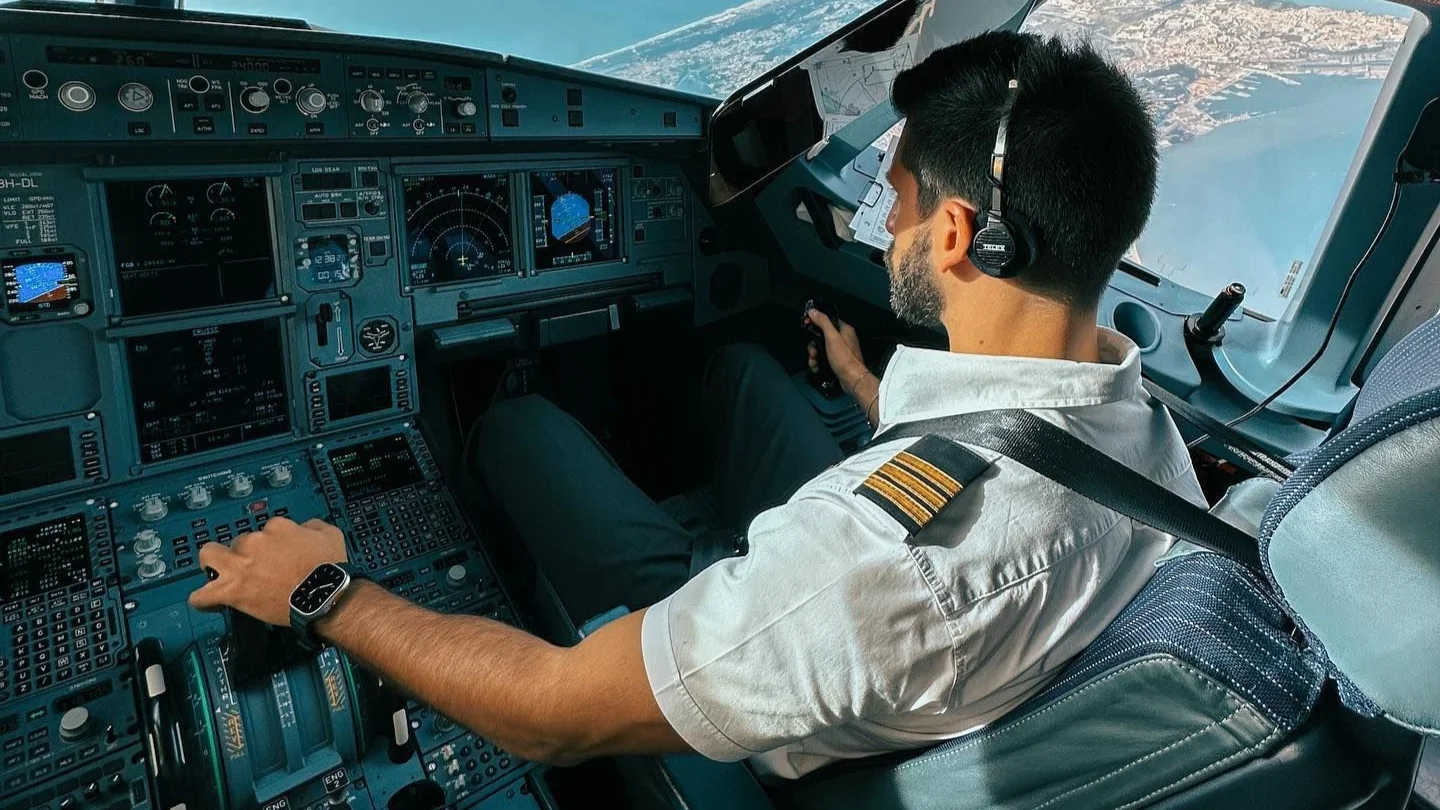
How Much Do European Countries Pay Their Pilots?
Airline pilot salaries in Europe vary dramatically, heavily influenced by experience levels. In the UK, entry-level pilots can earn roughly €54,283 (£47,000), while experienced pilots can earn as much as €173,243 (£150,000).
According to the ERI Economic Research Institute, seasoned pilots with over eight years of experience can earn 60 to 80 percent more than those with just a few years in the field. This means that experienced captains could potentially earn over three times the salary of their less seasoned colleagues.
While Eurostat provides surface-level insights, its average figures often obscure detailed pilot earnings by mixing salaries from broader job categories. More targeted statistics from national offices and institutions like ERI present a clearer picture of this specialized profession.
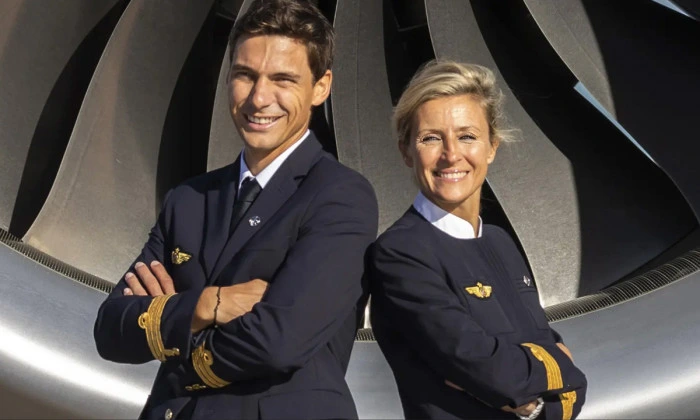
United Kingdom, Germany, and France
The Office for National Statistics reveals that median annual earnings for aircraft pilots and air traffic controllers were approximately €95,240 (£80,414) as of April 2024. ERI’s data indicate a slightly lower average salary of €90,253 (£78,146), which can escalate to €115,562 (£100,060) in the Greater London area.
There’s a significant pay gap between first officers and captains. Senior captains in long-haul airlines frequently earn over six figures, ranking pilots among the UK’s highest-paid professions.
Germany proves to be another lucrative country for pilots. The Federal Statistical Office states that average monthly earnings stand at €12,566, translating to €150,792 annually. Although median annual pay is €122,484, experienced captains can earn upwards of €342,000.
ERI’s average salary figures are around €106,000, with junior pilots starting at €73,785, while seasoned pilots earn €132,117 or more.
In France, pilot salaries are equally robust, with average monthly earnings reported at €9,300, totaling €111,600 annually. While ERI’s findings suggest an average of €87,903, experienced pilots can see this rise to €109,292.
France consistently ranks pilots among the top five highest-paid professions in a nation recognized for its thriving aviation sector.
Western, Northern Europe, and Sweden
Countries in Western and Northern Europe lead in terms of pilot salaries. ERI reports an average annual salary of €110,424 in Belgium, with Ireland averaging around €108,007, where Ryanair captains can reportedly earn up to €180,000.
Austria and the Netherlands also boast salaries exceeding €100,000 annually. Finland is close behind, with an average annual income of about €96,000.
These figures indicate a strong relationship between a country’s economic strength and the salaries its airlines can offer.
In Italy and Spain, while official statistics are scarce, ERI estimates average salaries of €80,427 in Italy and €77,269 in Spain. Although these figures are lower than in France or Germany, they remain considerably higher than in Eastern Europe.
These nations benefit from robust tourism sectors, providing ample opportunities for commercial pilots despite the relatively moderate pay scales.
Swedish pilots earn respectable salaries, although still lower in comparison to their Western counterparts. Statistics Sweden reveals an average monthly wage of €6,492, totaling around €77,904 annually. ERI’s figures align closely, with average earnings around €80,822, ranging from €56,125 for junior pilots to just over €100,000 for veterans.
Despite these relatively lower wages compared to Germany or Switzerland, Swedish pilots are among the country’s higher earners.
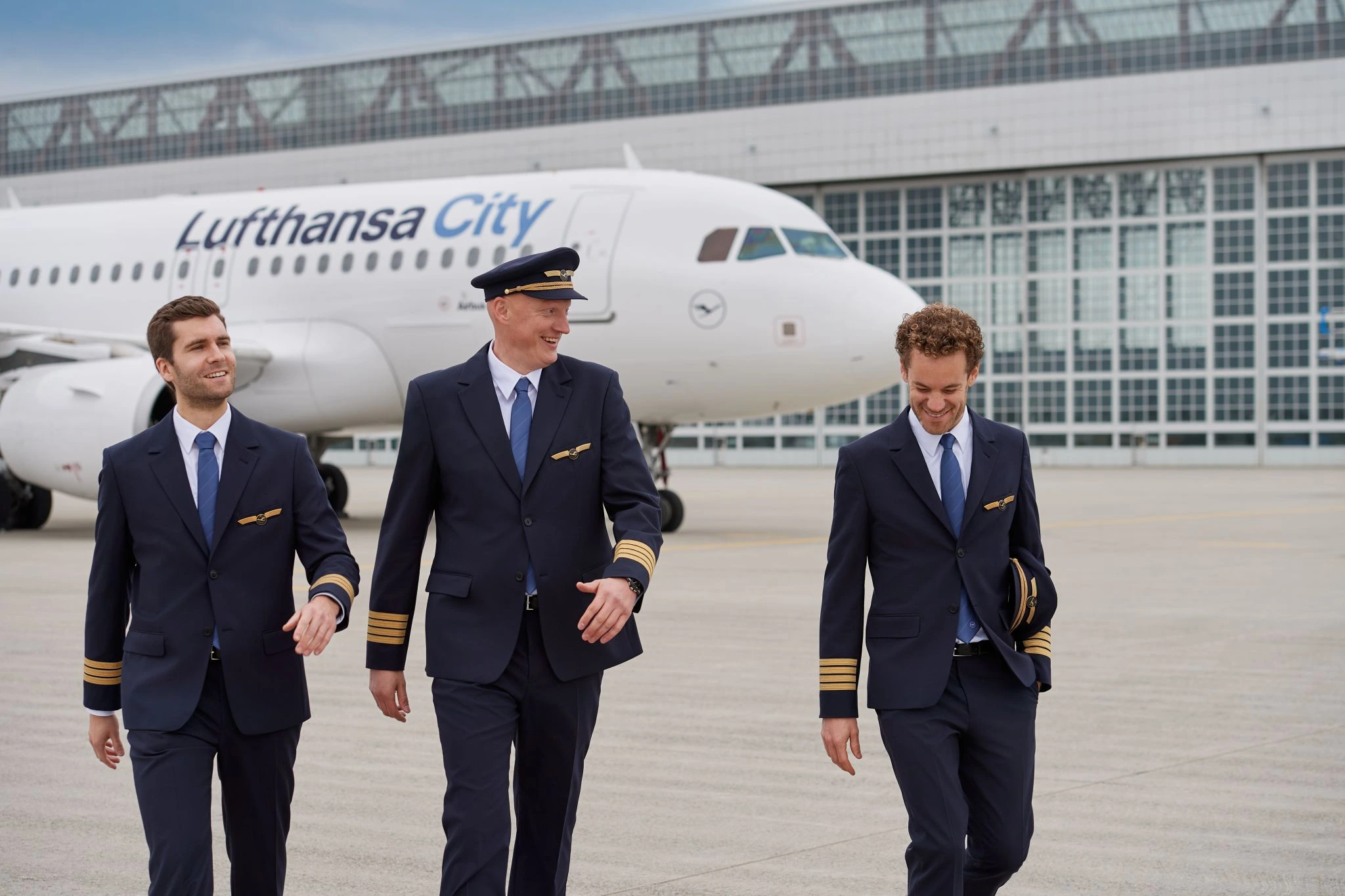
Eastern and Southern Europe: Lower Salaries, Growing Demand
Moving eastward reveals more significant pay disparities. In Portugal, pilot salaries hover around €60,054 annually, while Greece averages €56,523, with senior pilots exceeding the €70,000 mark.
In Poland, pilots earn about €50,000, while in Czechia, the figure dips to around €47,974. Romania reports the lowest average salary in Europe at €32,299, but experienced pilots can still earn close to €40,000.
While these numbers are modest compared to Western Europe, factors like the cost of living and purchasing power can somewhat align the discrepancy. Still, the wage gap has prompted pilot migration from Eastern to Western Europe, intensifying shortages in the regions where pay is lower.

Pilot Salaries Rising Amid Shortage
The aviation industry is entering a period of significant scarcity. Consulting firms project a global shortage of nearly 80,000 pilots by 2032, with Europe facing a shortfall of around 19,000.
This increasing deficit is already driving up salaries as airlines compete for qualified professionals. Airlines that can’t offer higher wages might struggle with operational schedules, as shown by SWISS’s recent flight cancellations.
Even with the costly training and demanding schedules, airline pilots are still among Europe’s highest-paid professionals. In France, pilots rank fifth in average monthly earnings, while in Germany, pilots in complex roles lead overall pay rankings.
In the UK, pilots and air traffic controllers also rank among the top five professions. In Denmark, pilots earned €13,523 (DKK 100,890) monthly in 2023, securing their place as the seventh highest-paid occupation in the country.
Conclusion
Across Europe, pilot salaries reveal a mix of prestige and the economic realities of the aviation sector. From Romania’s average of €32,000 to Switzerland’s €113,000, the disparities are stark.
The pay spectrum is influenced by geography, airline performance, and demand. Although training costs are rising to €150,000 and global pilot shortages are imminent, the profession offers both challenges and rewards.
For those committed to their aviation careers, flying for a European airline can not only provide a place in the cockpit but also position them among the continent’s highest earners.